Failure-Proof White Frosting: Easy Recipe
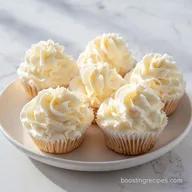
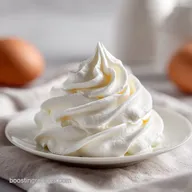
This simple white icing recipe provides a clean, neutral base for colorful decorations or sprinkles. It is light, fluffy, and whips up quickly for last-minute birthday cakes.
classic white base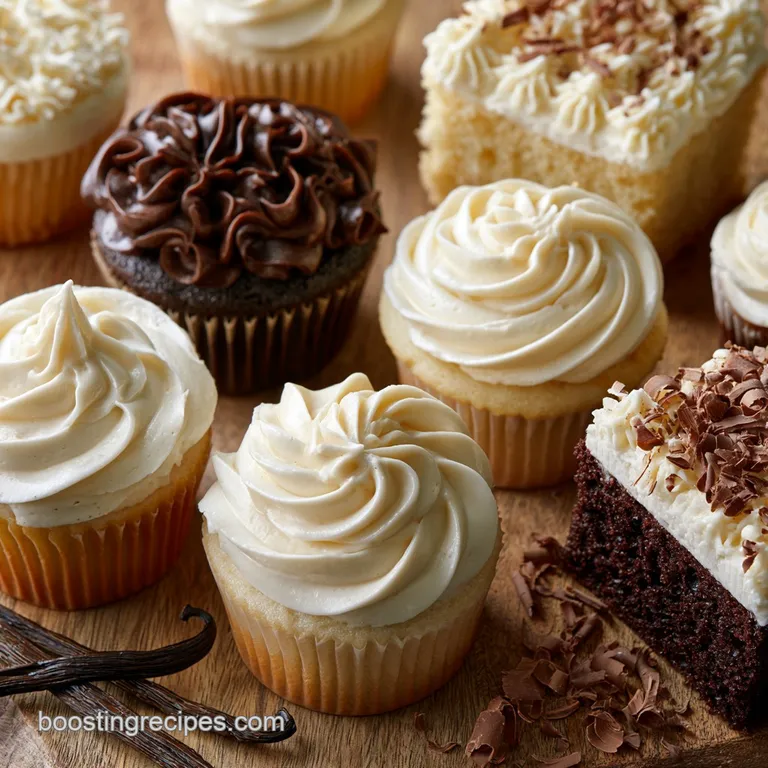
Homemade frosting is the finishing touch that distinguishes a simple cake from a celebratory centerpiece. Whether you are piping borders or spreading a base layer, the right consistency ensures your decorations stay in place without sliding.
This collection provides reliable recipes for the most common flavor profiles, from light vanillas to deep, cocoa-heavy options.
The advantage of making these at home is the ability to control the sweetness and texture. Most of these options rely on a few pantry staples like butter and powdered sugar, coming together in less time than it takes to preheat the oven. These recipes are designed to work for any skill level.
These recipes focus on neutral profiles that work as a canvas for any cake or cupcake. They rely on whipping air into the base to create a fluffy volume that is easy for beginners to handle.
While the white frosting is ideal for bright food coloring, the vanilla version offers a classic aromatic finish for traditional yellow cakes.
This simple white icing recipe provides a clean, neutral base for colorful decorations or sprinkles. It is light, fluffy, and whips up quickly for last-minute birthday cakes.
classic white basePure vanilla extract defines this silky homemade vanilla frosting. It offers a professional-looking finish for tiered cakes while remaining simple enough for a beginner to finish quickly.
aromatic vanilla flavorFor cakes that require a more substantial or tangy topping, these variations offer a thicker consistency. The chocolate version uses cocoa for a deep color, while the cream cheese option provides the structural integrity needed for heavier cakes.
Both are designed to be smooth enough for spreading but stiff enough for basic piping techniques.
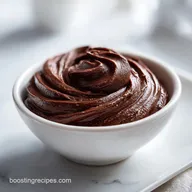
Cocoa powder creates a deep color and smooth texture in this homemade chocolate frosting. It spreads easily over cupcakes without tearing the delicate crumb of the cake.
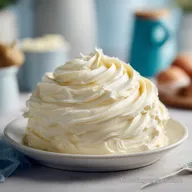
smooth cocoa finishTangy and thick, this homemade cream cheese frosting is the standard choice for carrot or red velvet cakes. It holds its shape well when piped into decorative swirls.
tangy and thick| # | Recipes | Best For | Time | Difficulty | Texture |
|---|---|---|---|---|---|
| 1 | Make White Frosting Easy Recipe in 10 Min | decorating with food coloring | 10 min | Easy | Fluffy |
| 2 | Vanilla Frosting in 8 Minutes | classic yellow layer cakes | 8 min | Easy | Silky |
| 3 | Chocolate Frosting Recipe Easy Smooth | rich chocolate cupcakes | 5 min | Easy | Smooth |
| 4 | Cream Cheese Frosting in 10 Minutes | carrot and red velvet cakes | 10 min | Easy | Thick |
Discover more curated recipe collections
Explore more recipe collections →