Asian Chicken Wraps: Zesty and Crunchy
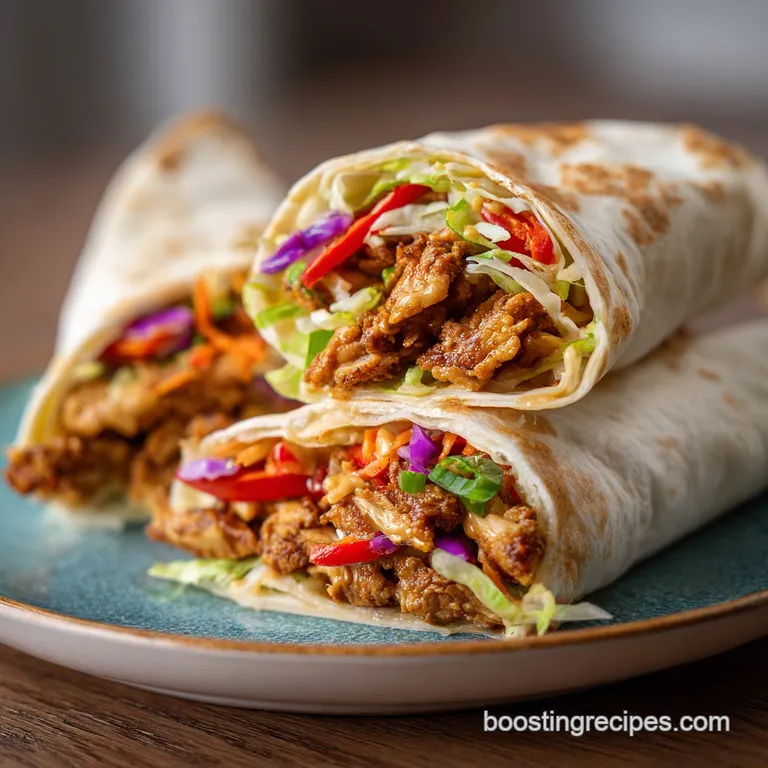
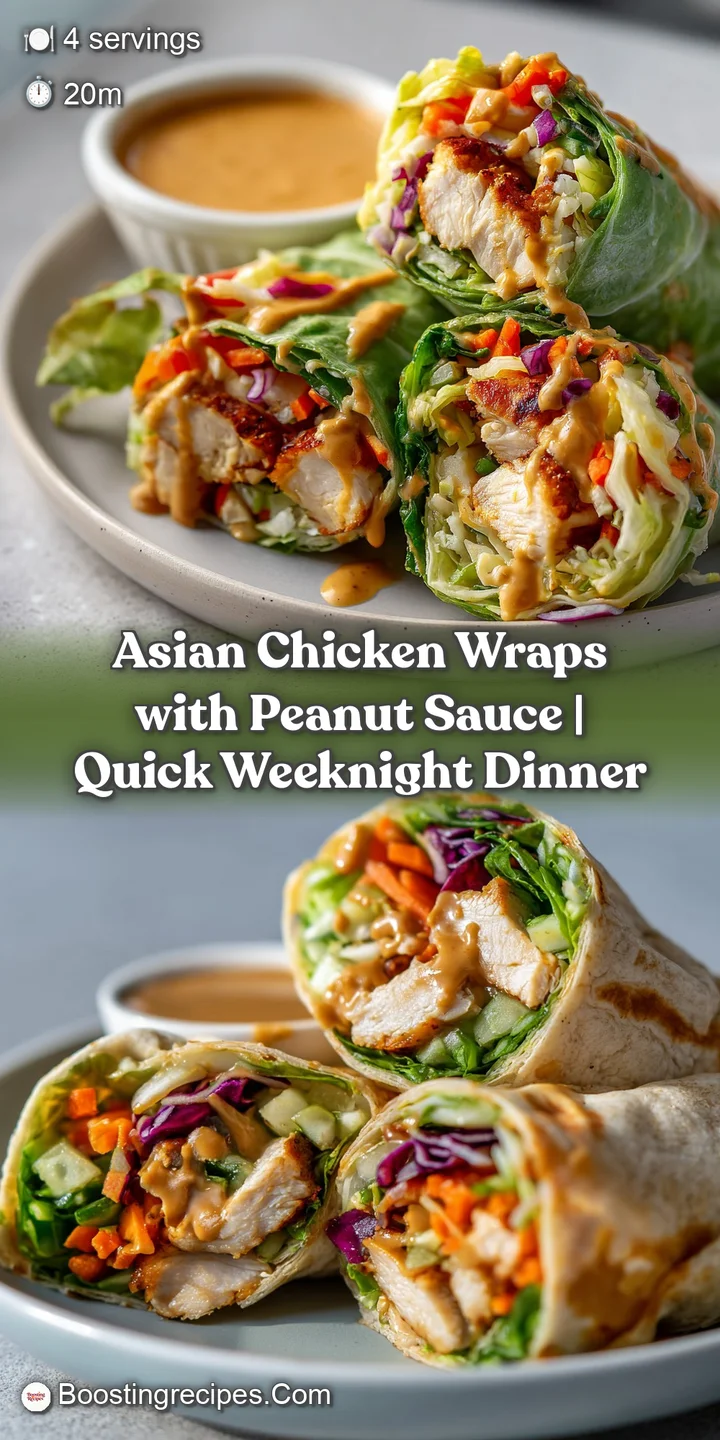
- Time: Active 10 minutes, Passive 10 minutes, Total 20 minutes
- Flavor/Texture Hook: Savory, nutty, and crunchy
- Perfect for: Busy weeknight dinners or high protein meal prep
- Why These Quick Asian Chicken Wraps Are My Friday Favorite
- Why the Peanut Sauce Stays Smooth
- Timing and Nutrition for These Easy Chicken Wraps
- The Component Analysis for Maximum Flavor
- The Simple Pantry Staples That Create Big Flavor
- The Best Kitchen Gear for Quick Stovetop Searing
- Step by Step Guide to Crafting Asian Chicken Wraps
- Avoid Soggy Tortillas and Bland Fillings with These Tricks
- Precision Checkpoints for Success
- How to Scale These Healthy Chicken Lettuce Wraps Instead
- How to Get the Balance Right Every Time
- Smart Storage and Zero Waste Tips for Chicken Leftovers
- Finishing Your Vietnamese Chicken Wraps for Maximum Visual Impact
- Kitchen Myths About Searing and Sauces
- Critically High in Sodium
- Recipe FAQs
- 📝 Recipe Card
Why These Quick Asian Chicken Wraps Are My Friday Favorite
You know that specific sound when cold ground chicken hits a hot pan with sesame oil? That aggressive, high pitched hiss is the soundtrack to my favorite kind of weeknight. It’s the sound of a 20 minute dinner actually happening.
I remember the first time I made these Asian Chicken Wraps for a group of friends on a Friday night when we were all too tired to even think about a restaurant. The kitchen smelled like toasted nuts and sharp ginger, and honestly, we didn't miss the delivery guy one bit.
What I love most about this dish is that it feels expensive but costs next to nothing. We're using ground chicken breast, which is a total lean protein powerhouse, and stretching it with water chestnuts and a crunchy slaw.
It’s the kind of meal where you get that satisfying "shatter" from the peanuts followed by the velvety, rich coating of the peanut sauce. It’s balanced, it’s fast, and it’s the exact thing I crave when I want something fresh but comforting.
We’ve all had those wraps that turn into a soggy mess the second you pick them up. Trust me, I’ve been there, usually standing over the sink trying to salvage a dripping tortilla. But this version is different.
By keeping the sauce components separate until the very last second and warming the tortillas properly, you get a clean, restaurant style experience at your own kitchen table. You’re going to love how the bright lime juice cuts right through the richness of the peanut butter.
Why the Peanut Sauce Stays Smooth
The Emulsification Secret: Warm water helps the fat in the peanut butter bond with the liquid vinegar and soy sauce. This prevents the sauce from breaking or looking greasy when it hits the hot chicken.
Textural Contrast: Water chestnuts don't lose their crispness when heated, providing a necessary "crunch" that survives the cooking process.
Aromatic Infusion: Adding the garlic and ginger after the meat has browned ensures they release oils without burning or becoming bitter.
Comparison of Speed vs Tradition
| Feature | Fast (This Recipe) | Classic (Slow Cooked) |
|---|---|---|
| Protein Prep | Ground meat crumbles (6 mins) | Sliced breast or thigh (15 mins) |
| Flavor Base | Instant peanut soy emulsion | Long simmered satay sauce |
| Texture | Fresh crunch from raw slaw | Soft, braised vegetable mix |
Timing and Nutrition for These Easy Chicken Wraps
When we talk about a "20 minute meal," we really mean it here. Most of that time is just you hovering over a skillet while the chicken browns. If you're someone who tracks their macros, you'll be happy to see the protein count on these Asian Chicken Wraps.
It's incredibly high, thanks to that pound of ground chicken breast, which keeps you full without that heavy, weighed down feeling you get from deep fried alternatives.
I usually find that one wrap is plenty for a lunch, but two is the sweet spot for a proper dinner. The nutrition is surprisingly balanced because we're loading up on fiber from the tri color coleslaw. It’s a smart way to get your greens in without having to chop a thousand different vegetables.
If you’re looking to shave off some carbs, you can always swap the flour tortillas for large butter lettuce leaves, turning these into homemade asian chicken wraps that are keto friendly.
Budget Swap Efficiency
| Premium Ingredient | Budget Alternative | Flavor Impact | Savings |
|---|---|---|---|
| Fresh Ginger Root | Ground Ginger (1/2 tsp) | Slightly less zing, more earthy | Save $2 |
| Toasted Sesame Oil | Vegetable Oil + Drop of Peanut Butter | Loses the smoky aroma | Save $5 |
| Fresh Cilantro | Green Onion Tops | More bite, less citrusy | Save $1.50 |
We’ve all felt the sting at the grocery store lately, but this recipe stays in the "budget friendly" lane by using pantry staples like soy sauce and peanut butter. Buying the pre shredded slaw might seem like a luxury, but it actually saves money compared to buying a whole head of green cabbage, a head of red cabbage, and a bag of carrots separately.
Plus, it saves your sanity on a Tuesday night.
The Component Analysis for Maximum Flavor
| Ingredient | Science Role | Pro Secret |
|---|---|---|
| Natural Peanut Butter | Fat & Emulsifier | Use "natural" styles (just peanuts and salt) for a thinner, more mixable sauce. |
| Rice Vinegar | Acid Balance | It tenderizes the chicken fibers slightly while cutting the fat of the nut butter. |
| Toasted Sesame Oil | Flavor Carrier | The high smoke point allows for a hard sear on the chicken without the oil burning. |
| Water Chestnuts | Structural Integrity | They provide a "snap" that doesn't disappear even if the chicken is reheated. |
Each part of this recipe serves a specific purpose. The honey isn't just for sweetness; it helps the sauce "cling" to the meat so it doesn't all puddle at the bottom of the wrap. And that tsp of sriracha?
It’s not enough to blow your head off with heat, but it provides a back of-the throat warmth that makes the whole dish feel more complex.
The Simple Pantry Staples That Create Big Flavor
- 1 lb ground chicken breast: This is our lean protein base. Why this? It cooks faster than cubed breast and absorbs the sauce better.
- 1 tbsp toasted sesame oil: For sautéing. Why this? It adds an instant smoky, nutty depth that regular oil lacks.
- 3 cloves garlic, minced: Our first layer of aromatics.
- 1 tbsp fresh ginger, grated: For that bright, spicy zing.
- 8 oz can water chestnuts: Drained and chopped. Why this? They provide a unique, watery crunch that is essential for "crunchy asian chicken wraps".
- 1/4 cup low sodium soy sauce: The salt and umami source.
- 1/3 cup natural creamy peanut butter: The heart of our sauce.
- 2 tbsp rice vinegar: For much needed acidity.
- 1 tbsp honey: To balance the salt and help with caramelization.
- 1 tsp sriracha: Just a hint of heat.
- 2 tbsp warm water: To thin the sauce to a "velvety" consistency.
- 4 large flour tortillas: Our vessel for the filling.
- 2 cups pre shredded tri color coleslaw mix: For instant crunch and color.
- 1/4 cup fresh cilantro, chopped: For a burst of freshness.
- 2 tbsp roasted peanuts, crushed: The final texture layer.
- 1 lime, cut into wedges: To brighten everything up at the end.
The Best Kitchen Gear for Quick Stovetop Searing
You don't need a professional kitchen for this, but a large non stick skillet or a wok is your best friend here. I personally love using a heavy bottomed skillet because it holds heat better when you drop the cold chicken in.
If the pan is too thin, the temperature will plummet, and you’ll end up boiling the chicken in its own juices instead of getting those beautiful golden brown edges.
You’ll also want a good whisk for the sauce. A fork works in a pinch, but a small whisk really helps emulsify that peanut butter and water into a silky liquid. And don't forget a microplane or a fine grater for the ginger.
There is nothing worse than biting into a giant hunk of raw ginger, so getting it into a fine paste is key for even flavor distribution.
step-by-step Guide to Crafting Asian Chicken Wraps
1. Emulsify the Signature Sauce
In a small glass mixing bowl, whisk together the peanut butter, rice vinegar, honey, soy sauce, and sriracha. Gradually add the 2 tbsp of warm water until the sauce reaches a velvety, pourable consistency.
Note: If your peanut butter is very cold, you might need an extra teaspoon of water to get it moving.
2. Sear for Mahogany Color
Heat the toasted sesame oil in a large non stick skillet or wok over medium high heat for about 2 minutes. Add the 1 lb of ground chicken to the skillet. Use a wooden spoon to break the meat into small crumbles and cook for 5-6 minutes until no longer pink and golden brown edges appear.
3. Infuse the Aromatics
Stir in the minced garlic, grated ginger, and chopped water chestnuts. Sauté for 2-3 minutes until the aromatics are fragrant and the garlic is softened. Don't let the garlic turn dark brown, or it will become bitter.
4. Glaze the Meat
Pour half of the prepared peanut sauce over the chicken mixture in the pan. Stir to coat every single crumble evenly. Remove from heat immediately until the sauce looks glossy and clings to the meat.
5. Prep the Tortillas
Warm the 4 flour tortillas slightly in a dry pan or microwave for 10 seconds. This makes them pliable and prevents them from cracking when you roll them up.
6. Layer the Base
Place 1/2 cup of the coleslaw mix in the center of each warmed tortilla. This acts as a barrier between the hot meat and the bread, helping to prevent sogginess.
7. Add the Filling
Divide the chicken filling equally among the four wraps, placing it directly on top of the slaw.
8. Garnish and Serve
Top each wrap with fresh cilantro and a sprinkle of crushed peanuts. Drizzle with the remaining half of the sauce and serve with lime wedges on the side. Squeeze the lime over just before eating for the best flavor.
Avoid Soggy Tortillas and Bland Fillings with These Tricks
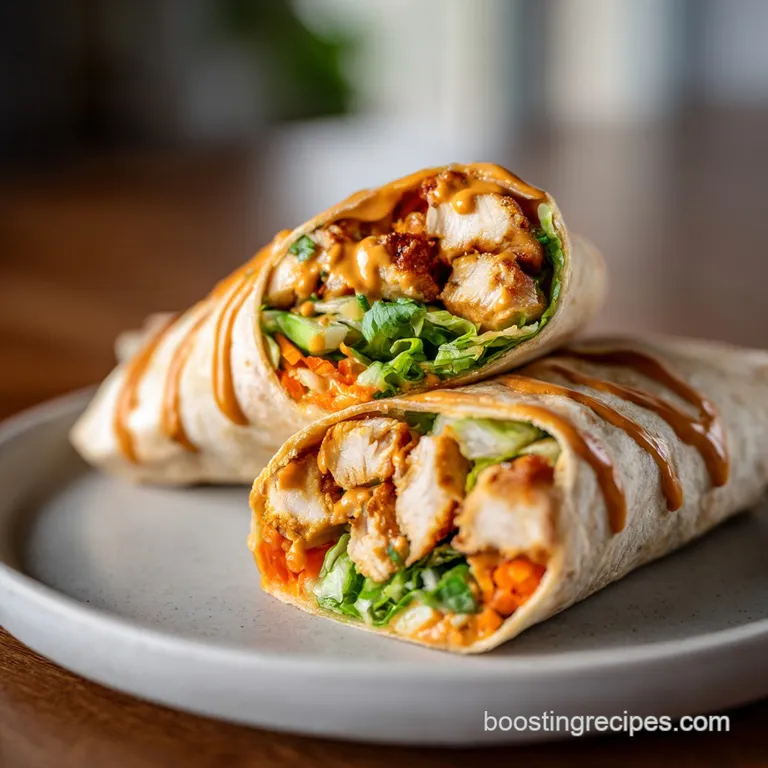
The biggest pitfall people run into with Asian Chicken Wraps is the dreaded "soggy bottom." This usually happens because the chicken mixture is too wet or the slaw releases its own water.
To avoid this, make sure your water chestnuts are drained very well I actually pat mine dry with a paper towel after chopping. Also, the slaw should stay raw. Don't cook the cabbage! The contrast between the hot, savory chicken and the cold, crisp cabbage is what makes this dish work.
Another issue is the sauce breaking. If you find your peanut sauce looks curdled or oily, it’s usually because it got too hot too fast. That’s why we only pour half the sauce into the pan and then take it off the heat.
The residual heat from the chicken is more than enough to warm the sauce without ruining the texture.
Troubleshooting the Crunch Factor
| Problem | Root Cause | Solution |
|---|---|---|
| Grainy Sauce | Cold ingredients didn't emulsify | Use warm water and whisk vigorously before adding to the pan. |
| Dry Chicken | Overcooked breast meat | Stop cooking the moment the pink is gone; the sauce adds moisture back. |
| Bland Filling | Not enough acidity | Double the lime squeeze at the end; acid "wakes up" the peanut flavor. |
Common Mistakes Checklist
- ✓ Don't skip the water chestnuts; they are the primary source of internal crunch.
- ✓ Pat the chicken dry with a paper towel before adding to the pan to ensure a better sear.
- ✓ Use a "natural" peanut butter for the best sauce consistency; the processed stuff is too thick.
- ✓ Warm the tortillas! Cold tortillas are brittle and will ruin the eating experience.
- ✓ Wait to add the lime juice until the very last second to keep the slaw from wilting.
Precision Checkpoints for Success
- Chicken Temp: Ensure the chicken reaches an internal temperature of 165°F (74°C).
- Searing Time: Don't touch the meat for the first 2 minutes in the pan to allow a crust to form.
- Sauce Ratio: 1/3 cup peanut butter to 2 tbsp water is the "golden ratio" for a pourable glaze.
How to Scale These Healthy Chicken Lettuce Wraps Instead
If you’re feeding a crowd, this recipe is incredibly easy to double. However, when you double the meat, you need to be careful about pan crowding. If you put 2 lbs of chicken in one standard skillet, it will steam instead of sear.
I recommend working in two batches or using a very large electric griddle if you have one. For the spices and aromatics, you don't necessarily need to double them exactly; 1.5x the garlic and ginger usually does the trick for a double batch without being overwhelming.
Decision Shortcuts
- If you want it low carb: Swap flour tortillas for Butter or Bibb lettuce leaves to make asian chicken lettuce wraps.
- If you want it spicier: Double the sriracha in the sauce and add sliced fresh jalapeños to the garnish.
- If you're in a rush: Use a rotisserie chicken, shred it, and just toss it in the pan with the sauce and aromatics for 3 minutes.
How to Get the Balance Right Every Time
| Method | Time | Texture | Best For |
|---|---|---|---|
| Tortilla Wrap | 20 mins | Hearty & Soft | A filling dinner |
| Lettuce Wrap | 15 mins | Extra Crunchy | Light lunch or appetizer |
| Rice Bowl | 25 mins | Comforting | Meal prep for the week |
Smart Storage and Zero Waste Tips for Chicken Leftovers
Storing these wraps is easy, but you have to be smart about it. Never store the assembled wrap. The moisture from the sauce and the chicken will turn that tortilla into a sponge within an hour. Instead, keep the chicken mixture in one airtight container and the slaw in another.
The chicken filling will last in the fridge for up to 3 days and actually tastes even better the next day as the flavors meld.
For freezing, the chicken mixture freezes beautifully! I often make a double batch of the meat and sauce, freeze half in a freezer bag for up to 2 months, and then I have a 5 minute dinner ready to go for those nights when I literally cannot even.
Just thaw it overnight in the fridge and reheat it in a skillet with a splash of water to loosen the sauce back up.
Zero Waste Tip: If you have leftover cilantro stems, don't throw them out! Finely chop them and add them to the chicken while it's cooking. The stems actually have more flavor than the leaves. Also, any leftover peanut sauce is an incredible dip for raw carrots or cucumbers the next day.
Finishing Your Vietnamese Chicken Wraps for Maximum Visual Impact
We eat with our eyes first, right? To make these look like they came from a high end bistro, focus on the "stack." Start with the bright purple and green of the slaw, then the mahogany colored chicken, then the vibrant green cilantro. The contrast is what makes it look exciting.
I like to crush my peanuts unevenly some dust, some big chunks to give it a rustic, "homemade asian chicken wraps" feel.
Don't underestimate the power of that lime wedge. It’s not just a garnish; it’s a functional part of the dish. Placing it on the plate adds a pop of bright yellow green that signals to your brain that this meal is going to be fresh.
If you want to get really fancy, you can add some thinly sliced red radishes or a sprinkle of black sesame seeds. It takes ten seconds but makes the whole experience feel like an event.
Kitchen Myths About Searing and Sauces
One of the biggest myths I hear is that you need to sear the chicken over high heat to "seal in the juices." In reality, searing is all about the Maillard reaction creating those brown, crispy bits that provide flavor.
The meat will actually lose moisture as it cooks, but the peanut sauce replaces that moisture with healthy fats, which is why ground chicken breast works so well here. It’s a lean canvas for a rich sauce.
Another myth is that you can't use "natural" peanut butter for cooking because it separates. In my experience, natural peanut butter is actually superior for sauces because it doesn't have the added palm oils and sugars that can make a sauce feel heavy or cloying.
As long as you give it a good whisk with warm water, it will be as smooth as silk. Trust me, once you try it with the natural stuff, you’ll never go back to the sugary jars for your savory cooking.
Right then, you're all set. Grab your skillet, get that sesame oil shimmering, and enjoy what I honestly think is the best 20 minute meal in your repertoire. These Asian Chicken Wraps are about to become your new favorite "fake away" tradition!
Critically High in Sodium
1280 mg of sodium per serving (56% of daily value)
The American Heart Association recommends a limit of 2,300mg of sodium per day, ideally moving toward 1,500mg.
Tips to Reduce Sodium
-
Use Low-Sodium Soy Sauce-20%
The 1/4 cup of low-sodium soy sauce is a significant sodium contributor. Switching to an 'ultra' low-sodium soy sauce or tamari could drastically reduce sodium. Ensure you adjust other seasonings if the flavor is too mild.
-
Rinse Canned Water Chestnuts-15%
Canned water chestnuts are often packed in brine. Rinsing and draining them thoroughly before chopping can remove a considerable amount of added sodium.
-
Flavor with Fresh Herbs and Spices
Incorporate fresh cilantro and lime juice generously for bright, zesty flavors. Consider adding extra garlic, ginger, or even a pinch of red pepper flakes instead of relying solely on salty sauces.
-
Reduce Peanut Butter Portion-5%
While natural peanut butter is generally lower in sodium, using slightly less of the 1/3 cup can still offer some reduction, especially if other sodium sources are minimized.
-
Dilute Sriracha-5%
While sriracha adds flavor, it also contains sodium. Using a slightly smaller amount or diluting it with a bit more warm water can help manage its contribution without sacrificing too much heat.
Recipe FAQs
What is an Asian chicken wrap?
It is a quick, savory meal featuring ground chicken breast seasoned with ginger, garlic, and water chestnuts. The mixture is coated in a velvety peanut sauce and served in warm flour tortillas with crunchy coleslaw.
Are these chicken wraps okay for diabetics?
Consult your healthcare provider regarding your specific dietary needs. While the chicken and aromatics are lean, the recipe contains honey and flour tortillas, which impact blood glucose levels differently for every individual.
What goes well with Asian chicken wraps?
Fresh lime wedges and crushed peanuts are the best accompaniments. Squeezing lime over the finished wrap brightens the flavor of the peanut sauce, while the peanuts add a essential extra crunch to every bite.
What is nice to put in a chicken wrap?
Stick to the core ingredients like pre-shredded coleslaw mix and fresh cilantro. These provide the necessary texture and aromatic finish that balances the savory, warm chicken filling perfectly.
How to fix a grainy peanut sauce?
Whisk vigorously with warm water before adding the sauce to the pan. Using warm water ensures the peanut butter and other liquids emulsify into a smooth, velvety consistency rather than separating.
How to avoid dry chicken in this recipe?
Stop cooking the moment the pink is gone from the ground chicken. Since the meat is already crumbled, it cooks in just 5-6 minutes; adding half the peanut sauce at the end also helps lock in moisture.
Is it true I should use chicken thighs for a better wrap?
No, this is a common misconception. Ground chicken breast provides a lean, light base that pairs perfectly with the rich peanut sauce, and it cooks in the required time without becoming greasy.
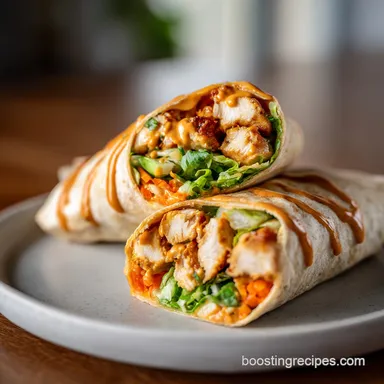
Asian Chicken Wraps
Ingredients:
Instructions:
Nutrition Facts:
| Calories | 637 kcal |
|---|---|
| Protein | 46.5 g |
| Fat | 24.8 g |
| Carbs | 56.0 g |
| Fiber | 6.2 g |
| Sugar | 12.4 g |
| Sodium | 1280 mg |
