Extra Fluffy Dairy Free Pancakes
- Time:5 minutes prep + 5 minutes resting + 15 minutes cook = 25 minutes total
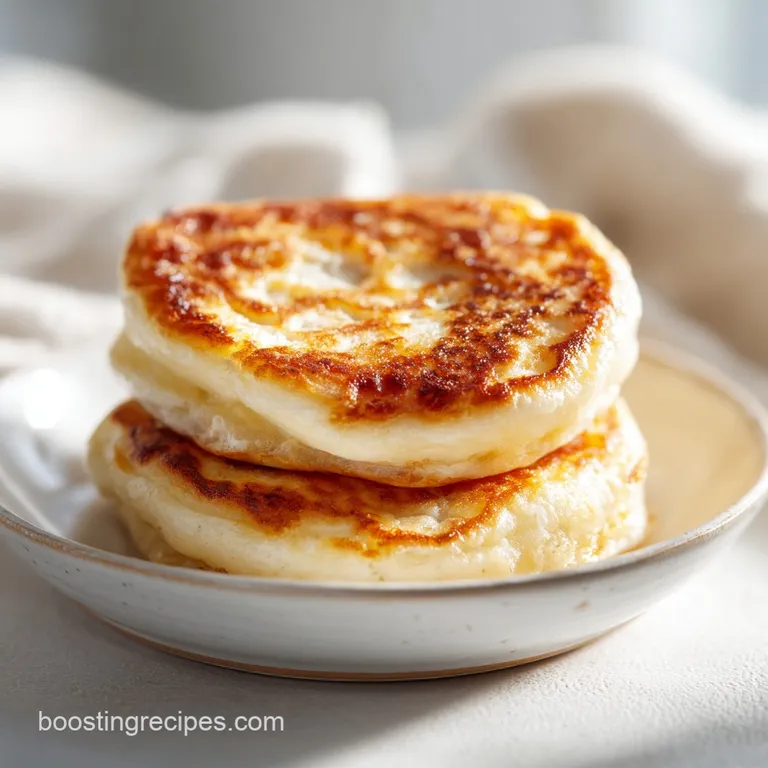
- Flavor/Texture Hook: Pillowy, velvety centers with golden, buttery crisp edges
- Perfect for: Lazy Saturday mornings or quick weeknight breakfast for-dinner
- Secrets for Extra Fluffy Dairy Free Pancakes
- Quick Reference for Perfect Results
- The Science of Your Ingredients
- Essential Tools for Better Flips
- Mastering the Batter and Griddle
- Avoiding Common Breakfast Cooking Mistakes
- Feeding a Crowd or Solo
- Debunking Pancake Flipping Folklore
- Storing and Reheating Leftover Stacks
- Creative Ways to Enjoy Pancakes
- High in Sodium
- Recipe FAQs
- 📝 Recipe Card
Secrets for Extra Fluffy dairy-free Pancakes
The kitchen is quiet, save for that first rhythmic clink clink clink of a whisk hitting a glass bowl. Then comes the scent. It’s that warm, floral hit of pure vanilla hitting the flour, followed by the soft hiss as the batter meets the hot griddle.
There is something truly therapeutic about watching a pancake batter begin to puff and heave, creating those tiny craters on the surface that signal it’s time for the flip. I used to think dairy was the only way to get that rich, diner style thickness, but I was wrong.
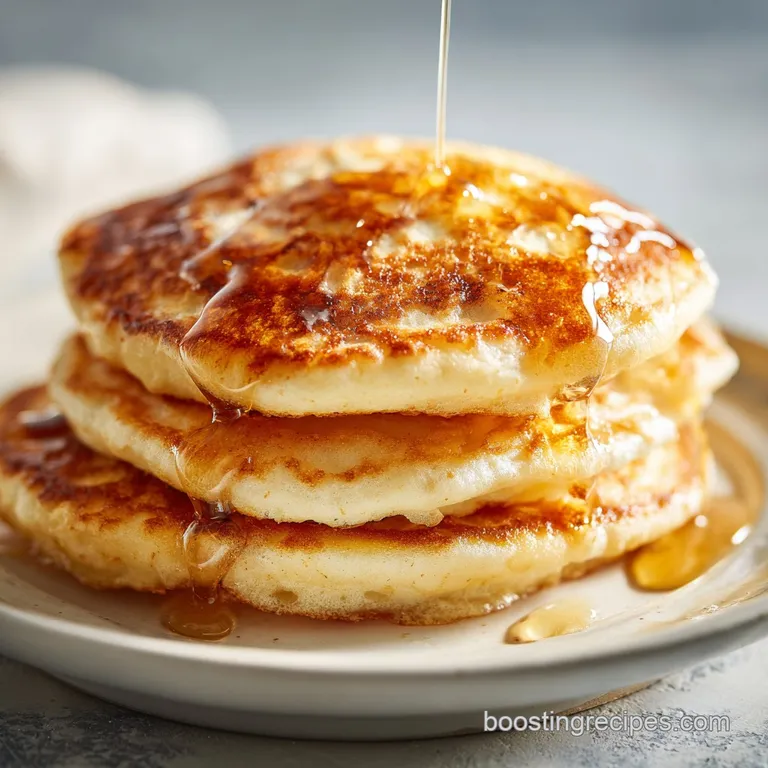
This recipe is all about the lift. When you pull these off the pan, they aren't those sad, floppy discs that soak up syrup like a dry sponge. They are sturdy, yet they shatter slightly at the edges before giving way to a soft, steaming center.
We are using a simple chemical reaction to mimic traditional buttermilk, which gives the batter a structural "oomph" that most dairy-free versions lack. You'll see the difference the moment the liquid hits the dry ingredients and the whole bowl starts to grow.
You don't need a professional kitchen or a dozen fancy gadgets to make these happen. Honestly, a simple bowl and a reliable non stick pan are your best friends here. We are going to focus on the texture of the batter because in the world of pancakes, the thickness of your pour determines the height of your stack.
Let's get into why this specific combination of pantry staples works so well to create the ultimate breakfast.
Quick Reference for Perfect Results
The Acid Trigger: Apple cider vinegar reacts with the baking powder to create instant carbon dioxide bubbles.
Starch Hydration: Letting the batter sit for just a few minutes allows the flour to fully absorb the liquid, thickening the mixture naturally.
Heat Retention: A neutral oil provides the fat needed for those crispy edges without the low smoke point of butter.
The Egg Bind: One large egg provides the protein structure needed to hold those air bubbles in place as they expand.
| Decision Goal | Adjustment to Make | Resulting Texture |
|---|---|---|
| Ultra Thick Stacks | Use 2 tbsp less milk | Tall, cake like height |
| Crispy Lace Edges | Add 1 tsp extra oil | Fried, crunchy perimeter |
| Lighter/Airier | Whisk egg white separately | Soufflé style interior |
Using the right method for your morning vibe makes a huge difference. While the stovetop is the classic way to get those golden rings, you can actually use the oven if you're feeding a big group and don't want to stand over the stove for twenty minutes.
| Method | Cook Time | Texture | Best For |
|---|---|---|---|
| Stovetop Griddle | 15 minutes | Crispy edges, soft center | Classic diner experience |
| Sheet Pan Oven | 15 minutes | Uniform, cake like | Meal prep and crowds |
The Science of Your Ingredients
To understand why these stay so light, we have to look at how the leavening works. Most people just toss ingredients in a bowl, but the order and the "why" matter if you want height. If you've ever enjoyed a silky stir fry, you know that the way you treat your proteins and starches changes the whole mouthfeel of the dish.
| Component | Science Role | Pro Secret |
|---|---|---|
| Baking Powder | Primary Leavener | Use fresh powder for max lift |
| Apple Cider Vinegar | Acid Catalyst | Creates "buttermilk" with almond milk |
| Cane Sugar | Maillard Reaction | Helps the edges brown beautifully |
| Sea Salt | Flavor Enhancer | Sharpens the sweetness of the syrup |
The magic happens in the interaction between the vinegar and the baking powder. Since we aren't using traditional buttermilk, the vinegar provides the necessary acidity to "fire up" the baking powder. This creates a double acting rise: once when the batter is mixed, and again when it hits the heat of the pan.
Essential Tools for Better Flips
You don't need a cupboard full of specialty equipment, but two things will make your life significantly easier. First, a wide, flat spatula is non negotiable. You want something thin enough to slide under the delicate batter without smooshing the air out.
Second, a heavy bottomed non stick pan or a cast iron griddle is the way to go. Even heat distribution prevents that annoying "burnt middle, raw edge" syndrome.
A large mixing bowl gives you plenty of room to fold the ingredients together gently. If you use a bowl that's too small, you'll end up over mixing just to keep the flour from flying over the sides. I also love using a standard 1/4 cup measuring scoop for portioning. It ensures every pancake is the same size, which means they all cook at the same rate. This is a trick I also use when portioning out sugar cookies to make sure they bake evenly in the oven.
Mastering the Batter and Griddle
1. The Chemical Prime
In a small bowl, whisk the 1.5 cups of unsweetened almond milk with 1 tbsp of apple cider vinegar. Why this? The acid curdles the plant milk, creating a tangy dairy-free buttermilk. Let this sit for exactly 5 minutes until you see little curdles forming on the surface.
2. The Aeration Phase
In your large mixing bowl, combine 2 cups of all purpose flour, 2 tbsp cane sugar, 2 tbsp baking powder, and 0.5 tsp sea salt. Use a whisk and a vigorous circular motion for about 30 seconds. This doesn't just mix them; it breaks up flour clumps and introduces air into the dry mix, which helps with fluffiness.
3. The Gentle Merge
Make a well in the center of your dry ingredients. Pour in the milk mixture, 2 tbsp neutral oil, 1 tsp vanilla extract, and 1 large egg. Use a spatula to fold everything together. Stop as soon as the flour streaks disappear.Note: Small lumps are your friends; they hold pockets of air that expand during cooking.
4. The Sizzle and Flip
Heat your non stick griddle over medium heat and lightly grease with a tiny bit of oil. Pour 1/4 cup of batter per pancake. Cook for 2-3 minutes until bubbles form and the edges look matte and set. Use a swift motion to flip.
Cook for another 1-2 minutes until the bottom is deep golden brown.
Avoiding Common Breakfast Cooking Mistakes
One of the biggest hurdles with dairy-free batters is that they can sometimes feel a bit thinner than traditional recipes. This usually happens if the milk is too warm or if the "buttermilk" hasn't had enough time to sit.
If your batter looks like soup, it will spread across the pan and turn into a crepe rather than a fluffy pancake.
The "Thin Batter" Syndrome
If your pancakes are spreading too thin, it’s likely because the flour hasn't had time to hydrate. When you mix the wet and dry, the starches in the flour need a few minutes to grab onto that moisture. If you rush it straight to the pan, the liquid is still "free" and will run everywhere.
Solving the Burnt Surface
We’ve all been there: the outside is dark brown, but the inside is still gooey. This is almost always a heat management issue. Most people turn the stove up too high to "speed things up." Pancakes need a steady, moderate heat to allow the middle to set before the sugars on the outside caramelize too much.
| Problem | Root Cause | Solution |
|---|---|---|
| Rubbery Texture | Over mixing the batter | Mix until just combined; ignore lumps |
| No Rise/Flat | Expired baking powder | Check date; it should fizz in water |
| Sticky Center | Heat too high | Lower heat to medium low and cook longer |
Flat Pancake Fixes
If your stacks look more like tortillas, check your baking powder. It loses its potency quickly once opened. A quick way to check is to drop a pinch into a teaspoon of hot water. If it doesn't bubble aggressively immediately, toss it and get a fresh tin. Your height depends entirely on that chemical reaction.
- ✓ Use a room temperature egg to prevent the oil from seizing up in the batter.
- ✓ Preheat your pan for at least 3 minutes so the first pancake isn't a "throwaway."
- ✓ Avoid pressing down on the pancake with your spatula after the flip.
- ✓ Wipe the pan between batches to prevent burnt oil residue from sticking to the next round.
- ✓ Only flip once; multiple flips deflate the air pockets we worked so hard to create.
Feeding a Crowd or Solo
If you're cooking for one or two, you can easily halve this recipe. Since the recipe calls for one egg, simply whisk the egg in a small cup first, then pour out half (about 1.5 to 2 tablespoons) to use in your half batch.
You'll want to use a smaller pan to maintain the heat better, and you can reduce the cook time by about 20% since the pan won't be as crowded.
Scaling up for a big family brunch is where the oven comes in handy. You can double or triple the ingredients easily. However, be careful with the leavening. If you're quadrupling the recipe, only use 3 times the baking powder. Too much leavener in a large batch can leave a metallic aftertaste.
Work in batches on the griddle, or pour the whole doubled batch into a greased sheet pan and bake at 200°C for about 15-20 minutes.
Debunking Pancake Flipping Folklore
Many people believe you should flip a pancake as soon as the first bubble appears. This is a myth that leads to messy, broken circles. You actually need to wait until the bubbles start to pop and stay open, and the wet sheen on the edges turns matte.
This indicates the structure is strong enough to survive the flight through the air.
Another common misconception is that you need a massive amount of oil or butter in the pan. In reality, too much fat leads to "fried" edges that are greasy rather than crisp. A very light coating, wiped around with a paper towel, is all you need for a non stick surface.
The oil inside the batter does the heavy lifting for the texture.
Storing and Reheating Leftover Stacks
These pancakes hold up surprisingly well in the fridge for up to 4 days. Store them in an airtight container with a piece of parchment paper between each one to prevent sticking. For the best "just cooked" texture, avoid the microwave if you have an extra minute.
A toaster or a dry pan over medium heat will revive that slight exterior crunch while keeping the inside soft.
You can also freeze these for up to 2 months. Lay them flat on a baking sheet to freeze individually for an hour, then toss them into a freezer bag. This prevents them from turning into a giant frozen block.
To use the "zero waste" approach, any leftover batter that you didn't cook can be kept in the fridge for 24 hours, though you might need to add a tiny pinch of fresh baking powder the next morning to bring the bubbles back to life.
Creative Ways to Enjoy Pancakes
While maple syrup is the gold standard, there are so many ways to dress these up. Since the base is relatively neutral with just a hint of vanilla, it handles both sweet and savory toppings beautifully. I personally love a dollop of almond butter and some sliced bananas for extra protein.
2 Flavor Twists
- Blueberry Lemon: Fold 1/2 cup of fresh blueberries and the zest of one lemon into the batter at the very end.
- Chocolate Chip: Use mini dairy-free chocolate chips so they distribute evenly and don't sink to the bottom of the stack.
2 Must Try Pairings
- Fresh Compote: Simmer frozen berries with a splash of water and a teaspoon of sugar until thick and glossy.
- Coconut Cream: Chill a can of full fat coconut milk, scoop out the solids, and whip with a little maple syrup for a dairy-free "whipped cream" experience.
High in Sodium
884 mg of sodium per serving (38% of daily value)
The American Heart Association recommends limiting sodium intake to less than 2,300mg per day, with an ideal limit of about 1,500mg for most adults.
Tips to Reduce Sodium
-
Reduce Sea Salt-25%
Significantly reduce the amount of sea salt used in the recipe. Try starting with 1/8 tsp instead of 0.5 tsp to start.
-
Boost Flavor with Herbs and Spices
Incorporate fresh or dried herbs and spices like cinnamon, nutmeg, or cardamom to enhance flavor without adding sodium.
-
Adjust Baking Powder-10%
While baking powder is important for leavening, some brands can contain sodium. Consider using a low-sodium or no-salt added baking powder if available, or slightly reducing the amount if it doesn't affect the texture.
Recipe FAQs
What is the secret to extra fluffy pancakes?
Use a gentle folding motion when combining the wet and dry ingredients. Leaving small lumps in your batter prevents overworking the flour, which keeps the texture light instead of rubbery.
What is the best non-dairy milk for pancakes?
Unsweetened almond milk is ideal because it reacts perfectly with apple cider vinegar. This combination mimics traditional buttermilk, creating the acidity required to activate the baking powder for maximum lift.
What is the secret ingredient in fluffy pancakes?
Apple cider vinegar is the catalyst for the rise. By whisking it with almond milk and letting it sit for 5 minutes to curdle, you create a chemical reaction that provides the airy structure found in our fresh herb-balanced dishes.
How to make 3-ingredient fluffy pancakes?
Use flour, baking powder, and almond milk as your base. While these three create the structure, adding the full list of ingredients sugar, salt, oil, vanilla, egg, and vinegar is necessary to achieve the specific flavor and lift required for this recipe.
Is it true I must whip egg whites separately to get fluffiness?
No, this is a common misconception. You can achieve an exceptional rise by properly aerating the dry ingredients with a whisk and ensuring you don't overmix the batter once the wet ingredients are added.
How to tell when to flip the pancakes?
Wait until bubbles form on the surface and the edges look matte. This usually takes 2-3 minutes over medium heat, signaling that the structure is set enough to flip without collapsing.
How to reheat leftover pancakes while keeping them soft?
Use a dry pan over medium heat or a toaster to revive them. Avoiding the microwave prevents the starch from becoming gummy, allowing you to maintain that signature fluffy interior.
Extra Fluffy dairy-free Pancakes
Ingredients:
Instructions:
Nutrition Facts:
| Calories | 348 kcal |
|---|---|
| Protein | 8.6 g |
| Fat | 9.8 g |
| Carbs | 56.2 g |
| Fiber | 1.9 g |
| Sugar | 7.2 g |
| Sodium | 884 mg |
