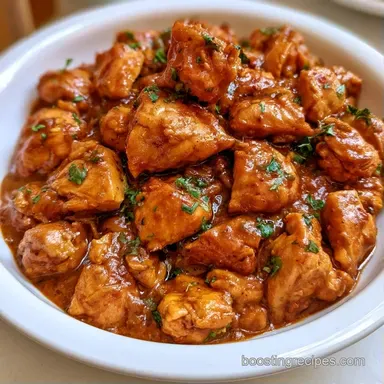
Authentic Indian Chicken Curry in 50 Minutes
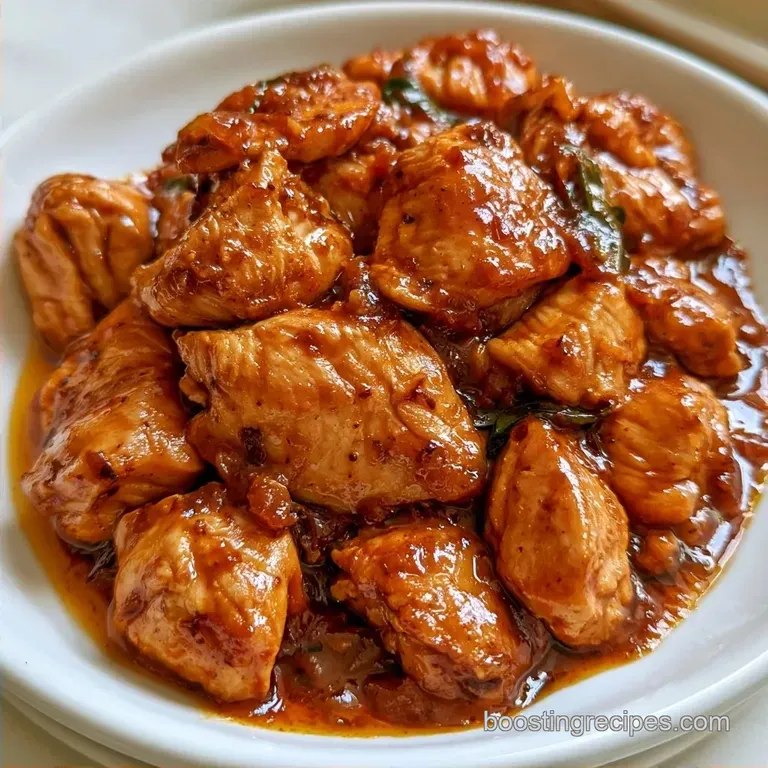
- Time:15 minutes active + 35 minutes cooking
- Flavor/Texture Hook: Rich, mahogany gravy with tender, juicy chicken
- Perfect for: Cozy weeknight dinners or meal prep for the week
The smell of toasted cumin and ginger hitting a hot pan is enough to make anyone hungry. I remember a rainy Tuesday last November when I wanted something that felt like a hug in a bowl. I didn't have the energy for a complex project, but I needed something with a real punch of flavor.
That's where this Indian Chicken Curry comes in. It's designed for those moments when you want the warmth of a traditional meal but only have a single skillet and about an hour of your life to give. No fancy equipment, just high heat and a few basic spices.
You can expect a sauce that's thick and glossy, clinging to pieces of chicken that have been seared for maximum flavor. It's not just "spicy" - it's a balance of tang from the tomatoes and a creamy finish that smooths everything over.
Simple Indian Chicken Curry
Let's dive into the specifics. This take on Indian Chicken Curry is all about big flavor without the hard work. Forget about multi day marinating or spending an hour with a mortar and pestle. By using a few clever tricks, we can make basic ingredients taste as though they’ve been slow cooking for hours.
In my experience, chicken thighs are the best choice for this dish. While breasts often become dry while simmering, thighs remain tender and absorb the rich sauce. For those craving something extra creamy, I recommend trying my Creamy Butter Chicken, which uses a different method for the base.
Why This Method Works
The logic here is all about how we treat the fat and the heat. We aren't just boiling ingredients together, we're building layers.
- Blooming Spices: Sautéing the ground spices in oil for 60 seconds wakes up the fat soluble flavors. This removes the "dusty" taste of raw powder and makes the Indian Chicken Curry taste more integrated.
- Onion Caramelization: We push the onions past the "soft" stage until they're golden brown. This adds a natural sweetness that balances the acidity of the tomato puree.
- The Sear: Browning the chicken first creates a crust that holds onto the sauce, preventing the meat from tasting steamed or bland.
Before we start, it's helpful to see the difference between taking the "from scratch" route and using a few shortcuts. Most of us are busy, so shortcuts are fine as long as they don't kill the flavor.
| Fresh Approach | Shortcut Approach | Impact | Savings |
|---|---|---|---|
| Fresh ginger/garlic root | Pre made pastes | Slight loss in zing | 10 mins prep |
| Whole toasted seeds | Ground spice powders | Less aromatic depth | 15 mins active |
| Hand crushed tomatoes | Tomato puree | More consistent texture | 10 mins prep |
Choosing Your Ingredients
For this Indian Chicken Curry, we want ingredients that provide a heavy hit of umami and a bit of brightness. Don't bother with low-fat coconut milk or non fat yogurt, as the fat is what carries the spice flavors to your taste buds.
For the Protein
The chicken needs to be uniform in size so it cooks evenly. 1 inch chunks are the sweet spot.
For the Aromatic Base
Onions, ginger, and garlic form the "holy trinity" of this dish. The finer you dice the onion, the better it will melt into the sauce.
For the Spice Blend
We use a mix of warm and sharp spices. Garam masala is the anchor here, providing that classic warmth.
For the Creamy Finish
Coconut milk gives a tropical, slightly sweet note, while Greek yogurt adds a thick, tangy richness.
| Component | Purpose | Substitute Notes |
|---|---|---|
| Ghee | Richness & High Heat | Neutral oil works, but you lose the nutty flavor |
| Tomato Puree | Acidity & Body | Canned crushed tomatoes (thick) add more texture |
| Coconut Milk | Creaminess | Plain Greek yogurt: More tang, less sweetness |
| Chicken Thighs | Juicy Texture | Chicken breast: Use shorter simmer time to avoid dryness |
Ingredients List:
- 1.5 lbs boneless, skinless chicken thighs, cut into 1 inch chunksWhy this? Thighs stay tender during the simmer
- 0.5 tsp salt
- 0.5 tsp black pepper
- 2 tbsp ghee or neutral oilWhy this? Ghee handles high heat better than butter
- 1 large yellow onion, finely diced
- 1 tbsp ginger pasteWhy this? Adds a sharp, fresh heat
- 1 tbsp garlic paste
- 1 cup tomato pureeWhy this? Creates a smooth, thick gravy
- 1 tbsp garam masala
- 1 tsp ground turmeric
- 1 tsp ground cumin
- 1 tsp ground coriander
- 0.5 tsp paprika
- 0.25 tsp cayenne pepperWhy this? Controls the heat level
- 0.5 cup full fat coconut milk or plain Greek yogurt
- 1 tbsp lemon juiceWhy this? Brightens the heavy spices
- Fresh cilantro for garnish
The Tools You Need
This dish is easy to master with basic equipment. In fact, keeping your cookware minimal simply means less time spent cleaning up. All you really need is a Dutch oven or a heavy bottomed skillet.
I opt for a stainless steel pan to get a proper sear on the chicken; those caramelized brown bits (fond) are essential for the rich taste of the Indian Chicken Curry.
While a handheld whisk is helpful for incorporating the coconut milk into a perfectly smooth sauce, a silicone spatula or a sturdy wooden spoon works just as well for scraping the bottom of the pot.
Making the Curry
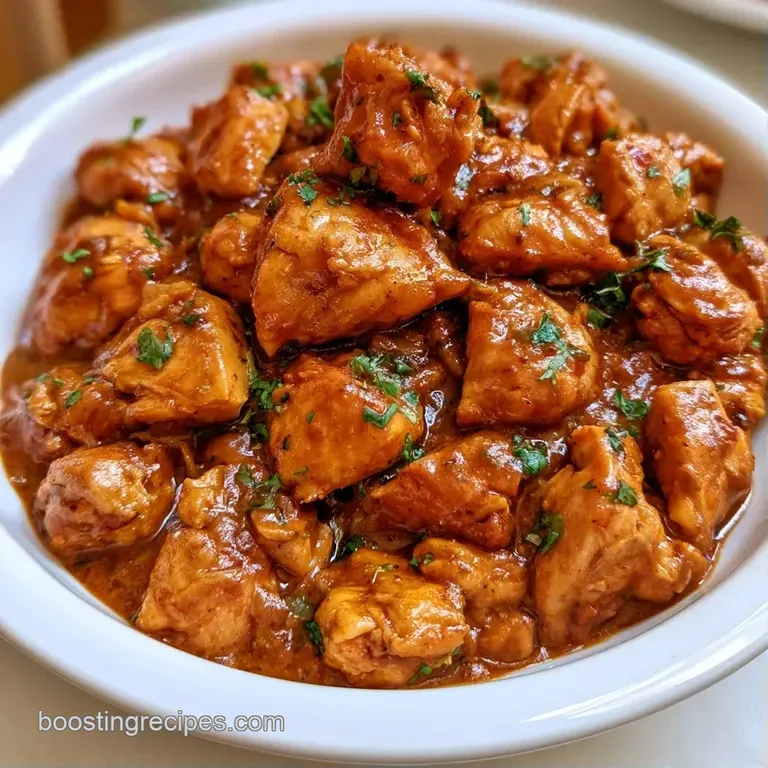
Time to get started. Have your spices pre-measured in a small bowl so you're ready to go once the pan is hot.
- Prepare the chicken. Pat the meat dry with paper towels and season with salt and pepper. Note: Dry meat browns faster and better.
- Brown the meat. Warm 1 tbsp of oil in the pan on a medium high setting. Sear the chicken in batches until golden on all sides (about 3 minutes per side). Transfer the chicken to a plate and set aside.
- Sauté the onions. Reduce heat to medium. Add the remaining ghee or oil and stir in the diced onions. Cook, stirring frequently until they are a rich, golden brown.
- Add aromatics. Mix in the garlic and ginger pastes. Cook for 60 seconds until the raw scent disappears and becomes fragrant.
- Toast the spices. Stir in the garam masala, turmeric, cumin, coriander, paprika, and cayenne. Stir constantly for 30-60 seconds until the spices smell nutty and the oil begins to separate from the paste.
- Make the gravy. Pour in the tomato puree. Simmer for 5-7 minutes, stirring occasionally, until the sauce thickens and turns a deep mahogany color.
- Simmer the chicken. Return the seared chicken and any juices from the plate to the pan. Cover with a lid and simmer on low for 12-15 minutes until the chicken is tender and cooked through.
- Finish the sauce. Stir in the lemon juice and coconut milk (or yogurt). Heat through for 2 minutes until the sauce is velvety and glossy.
- Garnish. Take the pan off the heat and scatter fresh cilantro over the top before serving.
Chef's Note: If you choose Greek yogurt over coconut milk, lower the heat to very low before stirring it in. Adding yogurt to boiling liquid can cause it to curdle, ruining the smooth texture of your Indian Chicken Curry.
Fixing Texture and Taste
Even when you follow the steps, sometimes the balance is off. It usually comes down to the ratio of acid to spice. If your Indian Chicken Curry tastes a bit "flat," it's almost always a lack of acidity. A squeeze of extra lemon juice usually fixes this instantly.
Another common issue is the spice level. Cayenne varies wildly in potency. If you've gone too far, don't panic. Adding more fat (like an extra splash of coconut milk) or a pinch of sugar can neutralize the burn without ruining the dish.
Fixing a Bitter Sauce
This usually happens if the turmeric was burnt during the blooming phase. To fix it, add a teaspoon of brown sugar or honey. The sweetness masks the bitterness.
Thickening a Watery Gravy
If the sauce is too thin, you likely didn't simmer the tomato puree long enough. Take the lid off and simmer for another 5-10 minutes to reduce the liquid.
Taming Excessive Heat
If the cayenne was too strong, stir in more coconut milk or a dollop of plain yogurt. The fats bind to the capsaicin and mellow out the heat.
| Problem | Root Cause | Solution |
|---|---|---|
| Bitter aftertaste | Burnt spices/Too much turmeric | Add pinch of sugar or lemon juice |
| Sauce is too thin | Under reduced tomato base | Simmer uncovered for 5-10 mins |
| Curdled sauce | Yogurt added to boiling liquid | Stir in yogurt on very low heat |
| Bland flavor | Under seasoned or lack of acid | Add salt and 1 tsp lemon juice |
Creative Flavor Changes
One of the best things about an Indian Chicken Curry is how easy it is to tweak. Once you have the base method down, you can lean into different regional styles. For a South Indian vibe, you could swap the garam masala for a curry leaf tempering (frying mustard seeds and curry leaves in oil first).
If you want to change the protein, this works beautifully with chickpeas or cauliflower for a vegetarian version. Just keep in mind that vegetables don't need a 12-15 minute simmer, so adjust the time to prevent them from turning into mush. For those who like a more modern twist, you can try those Asian Chicken Wraps if you want a completely different flavor profile.
Quick Decision Guide:
- Extra tang? → add 1 tsp lemon zest
- Thicker sauce? → simmer 5 mins longer
- Milder heat? → omit cayenne
| Budget Version | Premium Version | Impact | Savings |
|---|---|---|---|
| Neutral Vegetable Oil | Grass fed Ghee | Nuttier, deeper flavor | Save ~$2.00 |
| Canned Tomato Puree | Fresh San Marzano Puree | Brighter, sweeter acid | Save ~$1.50 |
| Store brand Coconut Milk | Organic Full Fat Coconut Milk | Creamier mouthfeel | Save ~$1.00 |
Common Kitchen Misconceptions
There's a lot of noise about how to cook curry, and some of it is just wrong. Let's clear a few things up.
Searing meat does not "seal in juices." This is a classic myth. Moisture loss happens regardless of whether you sear or not. The reason we brown the chicken in this Indian Chicken Curry is for the flavor. The browning creates complex compounds that a simmered only piece of meat just doesn't have.
Another myth is that you need to simmer a curry for hours to get a deep flavor. While slow cooking has its place, the "blooming" technique we used earlier does most of the heavy lifting in about 60 seconds. You get 90% of the flavor in 50 minutes.
Keeping Leftovers Fresh
This Indian Chicken Curry is often more flavorful the following day. This gives the spices ample time to soak into the meat and allows the sauce to develop a more balanced taste.
Storing Your Curry: - Fridge: Keep in a sealed container for up to 4 days. - Freezer: This dish keeps for up to 3 months in the freezer; just remember to exclude the fresh cilantro.
Reheating Advice: The sauce may thicken during reheating. To fix this, stir in a tablespoon of coconut milk or water and warm it slowly on the stovetop. It's best to avoid the microwave, as it can separate the sauce and heat the outer edges too quickly.
Reducing Waste: Freeze any remaining onion or ginger paste in ice cube trays. With one cube equaling roughly a tablespoon, prepping your next batch of curry becomes even easier. Leftover coconut milk can be frozen in small portions or added to a morning smoothie.
What to Serve Alongside
To transform this into a full meal, you'll want something to mop up that mahogany gravy. Basmati rice is the traditional choice, as its fragrant notes pair beautifully with the garam masala. For a heartier option, a piece of garlic naan or a crisp, toasted paratha is an excellent choice.
To add a refreshing element that cuts through the richness, I suggest a side of sliced red onions soaked in lime juice and cold water. The crisp texture and acidity offer a necessary balance to the creamy Indian Chicken Curry.
The Best Pairings:
- The Classic Grain: Steamed Basmati or Jasmine rice.
- The Perfect Bread: Warm Naan or buttery Roti.
- The Fresh Side: Cucumber Raita (yogurt and cucumber) to cool the palate.
You now have all the tools and tips to prepare a wonderful Indian Chicken Curry. It's a comforting, dependable dish that doesn't require professional training or a kitchen full of high tech gear. Just remember to brown the chicken properly and give the onions plenty of time.
Trust the method, and you'll enjoy a meal that beats any takeout.
Recipe FAQs
What is a typical Indian chicken curry?
A savory dish featuring chicken simmered in a spiced gravy of onions, tomatoes, and aromatic spices.
Tip: Use boneless, skinless chicken thighs for the best texture.
How do I get the most flavor?
Brown the meat first and bloom spices in hot fat to unlock complexity.
Tip: Serve this with homemade samosas for a complete appetizer spread.
Is it true that you must marinate the chicken overnight?
Not true. Searing seasoned chicken and blooming spices in ghee provides plenty of depth.
Tip: Pat the chicken dry before seasoning to ensure a better brown crust.
Can I make this milder for children?
Reduce the amount of cayenne pepper and increase the coconut milk or Greek yogurt.
Tip: Add a squeeze of lemon juice at the end to brighten the flavor without adding heat.
Which dish is considered the most popular?
Butter Chicken and Chicken Tikka Masala are widely regarded as the most famous exports.
Tip: Use full fat coconut milk for a richer, restaurant style consistency.
Why is the sauce too thin?
Simmer the sauce for a few extra minutes to allow the tomato puree to reduce and thicken.
Tip: Sauté the onions until they are a rich, golden brown to help thicken the base.
Authentic Indian Chicken Curry