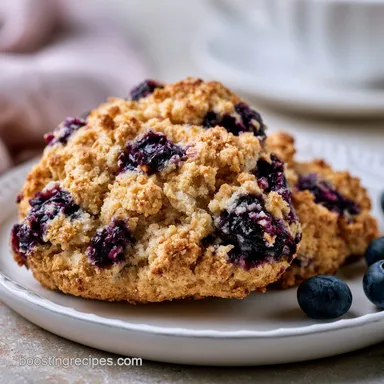
Blueberry Scones Recipe: Flaky and Zesty

- Time:15 minutes active + 20 minutes baking = Total 35 minutes
- Flavor/Texture Hook: Zesty lemon glaze with a buttery, flaky crumb
- Perfect for: Weekend brunch or a cozy morning treat
- The Secret to a Blueberry Scones Recipe
- Cooking Method Comparison
- Component Analysis
- Gathering Your Essentials
- Bringing It Together
- What Can Go Wrong (and How to Fix It)
- Troubleshooting Common Issues
- Adjusting the Batch Size
- Debunking Scone Myths
- Preservation Secrets
- Perfect Complements
- Recipe FAQs
- 📝 Recipe Card
Imagine the sound of a golden crust actually shattering under your thumb, followed by the smell of warm blueberries and bright lemon zest filling the kitchen. There is something about that first bite, where the buttery layers give way to a velvety center, that makes a slow morning feel special.
I remember the first time I tried this, I was so worried about the dough being "too messy" that I kept kneading it. I ended up with what I call "scone bricks," which were basically very expensive cookies.
The secret I learned the hard way is that the mess is your friend. You want those lumps of butter to stay visible, almost like pea sized pebbles in the flour. Once I stopped trying to make the dough smooth and just leaned into the shagginess, everything changed.
This blueberry scones recipe is the result of those early failures, focusing on temperature and a light touch to get that high rise, bakery style look.
Whether you're serving these for a fancy brunch or just eating one warm from the oven while the coffee brews, they're incredibly satisfying. We'll go over exactly how to handle the berries so they don't turn your dough purple, and why the glaze is the non negotiable finish.
Trust me on this, the lemon juice in the glaze cuts through the richness of the heavy cream, making every bite feel fresh.
The Secret to a Blueberry Scones Recipe
Right then, let's talk about why some scones are like clouds and others are like rocks. The real magic happens when you keep your fats freezing cold. When those tiny cubes of frozen butter hit the 400°F (200°C) oven, they melt instantly, releasing steam that pushes the flour apart.
This is what creates those distinct, flaky layers instead of a uniform, bread like crumb.
If you've ever wondered why your berries sink or bleed, it's usually a mixing issue. Folding them in gently at the very end ensures they stay suspended in the dough. Overmixing develops too much gluten, which makes the scone tough and chewy, whereas we want a tender, melt in-your mouth feel.
- Cold Fat Pockets
- Frozen butter creates steam gaps, ensuring a flaky rather than cakey texture.
- Minimal Agitation
- Stirring just until combined prevents gluten development, keeping the crumb tender.
- Acid Balance
- The lemon juice in the glaze reacts with the richness of the cream to brighten the overall flavor.
- Fruit Suspension
- Folding berries last prevents them from breaking and staining the dough.
Cooking Method Comparison
Since we are aiming for that classic bakery height, the oven is usually the way to go, but some people experiment with different heat sources. Here is how the results differ.
| Method | Time | Texture | Best For |
|---|---|---|---|
| Standard Oven | 20 minutes | High rise, mahogany edges | Traditional batches |
| Air Fryer | 12-15 minutes | Extra crispy exterior | Single servings |
| Stovetop (Cast Iron) | 25 minutes | Flat bottom, dense center | Rustic, skillet style |
It's interesting how much the heat distribution changes the outcome. While the oven gives you that consistent gold, an air fryer can actually make the edges shatter even more, though you risk drying out the center if you aren't careful.
Component Analysis
Before we jump into the mixing, let's look at what these ingredients are actually doing. It's not just about taste, it's about the structural integrity of your blueberry scones recipe.
| Ingredient | Science Role | Pro Secret |
|---|---|---|
| Frozen Butter | Leavening agent (via steam) | Grate it while frozen for even distribution |
| Heavy Cream | Tenderizer & Fat source | Use chilled cream to keep butter from melting |
| Baking Powder | Chemical lift | Fresh powder equals a taller scone |
| Blueberries | Moisture & Flavor pops | Toss in a pinch of flour to stop sinking |
Gathering Your Essentials
When you're getting ready to make this blueberry scones recipe, the most important thing is the temperature of your dairy. If your cream is room temperature, your butter will melt before it even hits the oven, and you'll lose all those flaky layers.
For the flour, all purpose is the gold standard here. Some people try to use cake flour for a softer bite, but you lose the structural strength needed to hold up the blueberries. I’ve found that sticking to the basics, but being precise with the measurements, gives the most consistent results.
Ingredients List:
- 2 cups (250g) all purpose flour Why this? Balanced protein for structure and tenderness
- 1/3 cup (65g) granulated sugar Why this? Adds sweetness and helps with browning
- 1 tbsp (10g) baking powder Why this? Essential for that high, dramatic rise
- 1/2 tsp (3g) salt Why this? Enhances the berry and lemon flavors
- 1/2 cup (113g) unsalted butter, frozen and cubed Why this? Frozen state is key for flakiness
- 1/2 cup (120ml) heavy cream, chilled Why this? Adds richness and a velvety crumb
- 1 large egg Why this? Provides binding and a golden color
- 1 tsp (5ml) vanilla extract Why this? Rounds out the sweetness
- 1 1/2 cups (225g) blueberries Why this? Fresh or frozen both work well
- 1 cup (120g) powdered sugar Why this? Creates a smooth, pourable glaze
- 1 tbsp (15ml) fresh lemon juice Why this? Cuts through the butter's richness
- 1 tsp (2g) lemon zest Why this? Intense citrus aroma
- 2 tbsp (30ml) milk Why this? Adjusts the glaze consistency
If you find yourself without heavy cream, you can actually use a blueberry scones recipe with buttermilk for a slightly tangier taste. Just keep in mind that buttermilk is thinner, so you might need a tablespoon more flour to keep the dough from becoming a sticky mess.
| Original Ingredient | Substitute | Why It Works |
|---|---|---|
| Heavy Cream | Full fat Greek Yogurt | Similar fat content. Note: Makes the scone denser/moister |
| All Purpose Flour | White Whole Wheat | Adds nuttiness. Note: Heavier texture, needs more liquid |
| Fresh Blueberries | Frozen Blueberries | Same flavor. Note: Do not thaw or they will bleed |
| Granulated Sugar | Coconut Sugar | Earthy sweetness. Note: Scones will be darker brown |
Don't be afraid to swap things around, but remember that baking is a bit of a balancing act. If you change the fat source, you might change the "shatter" of the crust.
Bringing It Together
Now we get to the fun part. Let's crack on with the actual process. Remember, the goal here is to work quickly. The longer the dough sits at room temperature, the more the butter melts, and we want those cold chunks intact.
Phase 1: Building the Cold Base
Whisk together the flour, sugar, baking powder, and salt in a large mixing bowl. This ensures your leavening agent is spread evenly, so you don't end up with one scone that's a giant and another that's a pancake.
Using a pastry cutter or forks, work the frozen butter cubes into the flour until the mixture resembles coarse crumbs with some pea sized chunks remaining. Note: If the butter starts to feel soft, pop the bowl in the fridge for 5 minutes.
Phase 2: Folding the Fruit
In a separate bowl, whisk together the egg, heavy cream, and vanilla extract. Pour the liquid mixture into the dry ingredients and stir until just combined. It should look a bit shaggy and uneven, which is exactly where we want it.
Gently fold in the blueberries until just incorporated. Do not overmix! If you stir too much, you'll crush the berries and end up with a purple dough, which doesn't taste bad, but it doesn't look as professional.
Phase 3: Shaping and the Golden Bake
Turn the dough onto a floured surface and pat it into an 8 inch disc, approximately 1 inch thick. Avoid using a rolling pin, as you don't want to squash the butter pockets.
Cut the disc into 8 equal wedges and place them on a parchment lined baking sheet. Bake at 400°F (200°C) for 20 minutes until the edges are mahogany colored and the tops are golden brown.
Phase 4: The Finishing Glaze
While the scones are cooling slightly, whisk together powdered sugar, lemon juice, lemon zest, and milk until smooth.
Drizzle the glaze over the warm scones before serving. The warmth allows a tiny bit of the glaze to soak in, creating a velvety layer between the crust and the crumb.
Chef's Tip: If you want an even more intense flavor, add a pinch of cinnamon to the dry ingredients. It creates a warm contrast with the tart blueberries that is just brilliant.
What Can Go Wrong (and How to Fix It)
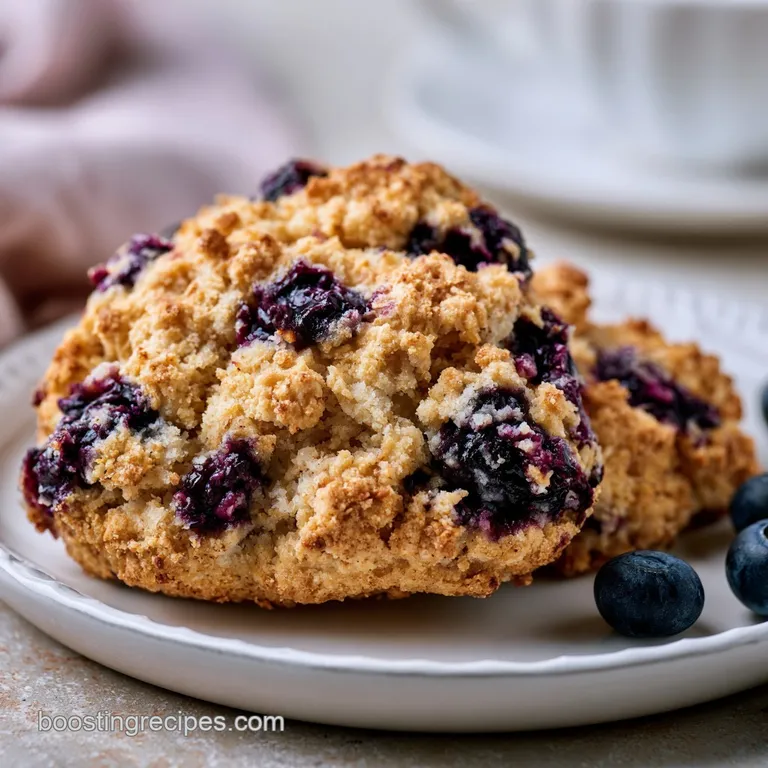
Even for seasoned cooks, this blueberry scones recipe can sometimes act up. Usually, it comes down to temperature or over handling the dough.
Troubleshooting Common Issues
| Issue | Solution |
|---|---|
| Why Your Scones Are Too Flat | If your scones didn't rise, it's likely your baking powder is old or your butter melted before the scones hit the oven. When the butter melts too early, you lose the steam that creates the lift. Alway |
| Why Your Scones Are Tough | This is the classic sign of overworking the dough. When you mix flour with liquid, gluten forms. A little gluten is good for structure, but too much makes the scone feel like bread. The key is to stop |
| Why the Berries Sunk | Berries sink when the dough is too wet or if the berries are too heavy. If you're using frozen berries, don't thaw them. Using a blueberry scones recipe with frozen blueberries often actually helps be |
Common Mistakes Checklist:
- ✓ Did I use frozen butter instead of softened?
- ✓ Did I stop mixing as soon as the dough held together?
- ✓ Is the oven fully preheated to 400°F (200°C)?
- ✓ Did I avoid kneading the dough like bread?
- ✓ Are the berries folded in gently?
Adjusting the Batch Size
If you're just baking for yourself or hosting a crowd, you'll need to scale this blueberry scones recipe. It's not always a straight multiplication, especially with the leavening and the baking time.
Scaling Down (Half Batch): To make 4 scones, halve all ingredients. For the egg, beat one egg in a small bowl and use exactly half of it (about 2 tbsp). Use a smaller baking sheet to keep the heat concentrated.
Your bake time will likely drop by about 2-3 minutes, so start checking them at 17 minutes.
Scaling Up (Double Batch): When doubling, I recommend working in two separate bowls. If you try to mix a double batch in one bowl, you'll inevitably overwork the dough just trying to get the flour incorporated. Increase the salt and baking powder to 1.5x instead of 2x to avoid a metallic aftertaste.
Lower your oven temp to 375°F (190°C) and extend the time by 5-8 minutes to ensure the centers bake through without burning the bottoms.
For those who love berry treats, you might also enjoy my Homemade Strawberry Cake recipe, which uses a similar fruit folding technique to keep the cake fluffy and light.
Debunking Scone Myths
There are a few things people tell you about scones that just aren't true. Let's clear the air so you can bake with confidence.
Myth: You must use a food processor. While a food processor is fast, it's actually very easy to overwork the dough in one. Using a pastry cutter or even just two forks gives you much more control over the butter size, which is the real secret to the flake.
Myth: Frozen berries always make the dough soggy. Not if you keep them frozen! Frozen berries actually hold their shape better than fresh ones during the first few minutes of baking. The key is not to let them thaw on the counter before they go into the flour.
Myth: Scones must be perfectly round. Actually, the rustic, wedge shaped look is traditional. Trying to roll them into perfect spheres often leads to over handling the dough, which ruins the texture. Embrace the wedge!
Preservation Secrets
Since this blueberry scones recipe is best served warm, you might wonder what to do with the extras. Scones can dry out quickly because of the high butter content.
Storage Guidelines: Keep leftover scones in an airtight container at room temperature for up to 2 days. For longer storage, place them in the fridge for up to 5 days. If you've already glazed them, the fridge is better as it keeps the glaze from becoming too sticky.
Freezing for Later: You can freeze the baked scones for up to 3 months. Wrap them individually in plastic wrap and then place them in a freezer bag. To reheat, just pop them in a 350°F (175°C) oven for 5-10 minutes.
They'll taste almost exactly like they just came out of the oven.
Zero Waste Tips: Don't toss your lemon peels! After zesting for the glaze, you can freeze the remaining lemon rinds in a bag to use for making homemade citrus cleaners or infusing sugar.
Also, if you have a bit of leftover glaze, it's great drizzled over a bowl of Greek yogurt or fresh berries the next morning.
Perfect Complements
To turn these scones into a full experience, you need the right pairings. Since the scones are rich and buttery with a tart finish, you want things that balance that intensity.
A strong, dark roast coffee or a spicy masala chai is the classic choice here. The bitterness of the coffee cuts through the sugar of the glaze perfectly. If you're doing a full brunch spread, I love serving these alongside something savory to balance the meal. My Homemade Samosas recipe provides a great salty, crispy contrast to the sweet blueberry scones.
For a lighter side, a bowl of fresh mixed berries or a simple arugula salad with a lemon vinaigrette works wonders. The goal is to keep the palate refreshed so that every bite of the scone feels as impactful as the first.
Right then, you've got everything you need to nail this blueberry scones recipe. Just remember: keep it cold, keep it shaggy, and don't overthink the mixing. Happy baking!
Recipe FAQs
What is the secret to making good scones?
Keep your butter frozen and the dough cold. Cold fat creates steam pockets during baking, which results in a flaky, light texture rather than a dense one.
What is the 15 minute rule for scones?
Prepare the dough quickly to prevent butter from melting. Limiting your prep to 15 minutes ensures the fat remains chilled, which is essential for achieving a high rise.
Is it better to use fresh or frozen blueberries when making scones?
Fresh blueberries are better. Frozen berries release excessive moisture and bleed color, which can cause the dough to become soggy and purple.
Can you use milk instead of heavy cream in scones?
Yes, but the texture will be less rich. Milk lacks the high fat content of heavy cream, creating a lighter crumb similar to our carrot muffins.
How to prevent scones from becoming too tough?
Stir the dough until just combined. Overworking the flour develops too much gluten, which transforms a tender scone into a bread like consistency.
Is it true that you must overmix the dough to ensure the berries are evenly distributed?
No, this is a common misconception. Gently folding in the blueberries allows them to distribute evenly without compromising the delicate structure of the dough.
Why did my scones turn out flat?
Your baking powder may be expired or the butter melted too early. Both issues prevent the scone from lifting during the 20-minute bake at 400°F.
Blueberry Scones Recipe