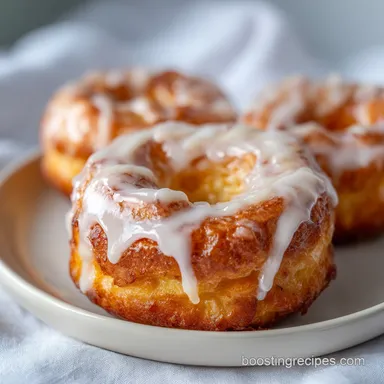
Cinnamon Roll Donuts: Shatter Crisp and Soft
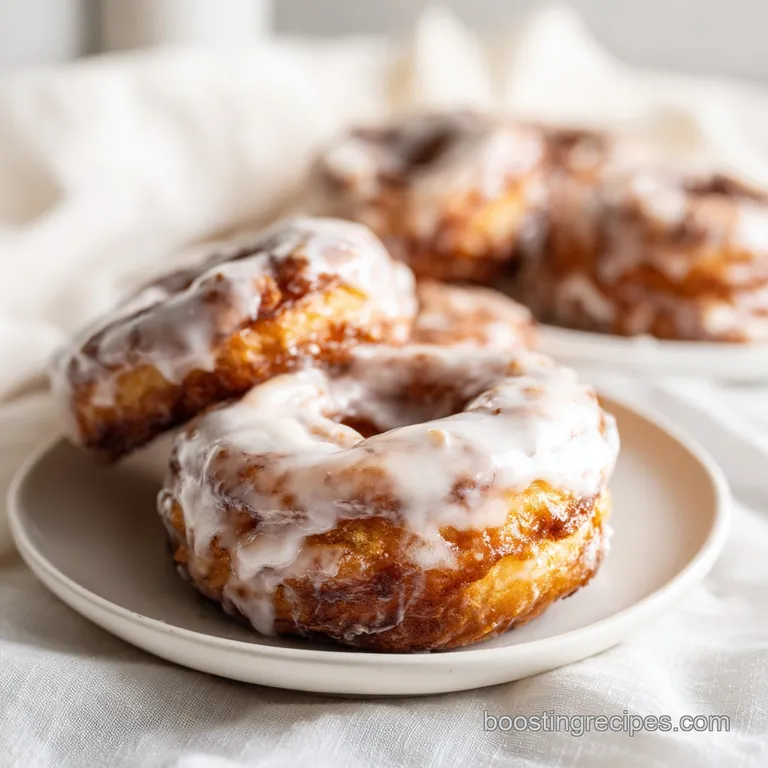
- Time:30 minutes active + 2 hours rising = Total 2 hours 40 mins
- Flavor/Texture Hook: Shatter crisp exterior with a velvety, cinnamon sugar core
- Perfect for: Lazy Sunday brunches or surprising the kids on a school holiday
- The Best Cinnamon Roll Donuts Recipe
- Essential Dough and Frying Tricks
- Recipe Specs and Timing
- Component Analysis for Flavor
- Kitchen Tools for Success
- Bringing the Donuts Together
- Troubleshooting Common Dough Issues
- Tasty Twist and Variations
- Scaling Your Batch
- Storage and Scrap Tips
- Serving and Plating Tips
- Recipe FAQs
- 📝 Recipe Card
The first thing that hits you isn't the sight of the donuts, but the aroma. It's that heavy, warm scent of cinnamon toasting in hot oil, filling every corner of the kitchen with a smell that basically screams "weekend." I remember the first time I tried making these for a group of friends.
I was so nervous about the oil temperature that I kept hovering over the pot with a thermometer like it was a science experiment, almost forgetting to actually fry the dough.
But once that first batch hit the oil and started to sizzle, everything clicked. There is something genuinely satisfying about watching a pale piece of dough transform into a deep mahogany gold ring in under two minutes.
I've spent a lot of time playing with the ratio of butter to flour to make sure these aren't just "fried rolls," but actual donuts with that specific airy lightness.
If you've been looking for a cinnamon roll donuts recipe that doesn't require a professional bakery setup, you're in the right place. We're going to focus on a dough that's easy to handle but tastes like it took all day. It's a bit of a project, but trust me, the moment you bite into that glazed, spiraled center, you'll realize it's worth every single minute.
The Best Cinnamon Roll Donuts Recipe
Right then, let's talk about why this works. Most people just fry a piece of dough, but the magic here is in the layering. By rolling the cinnamon and sugar into the dough before cutting them into donuts, we create these tiny pockets of caramelized sugar.
When those pockets hit the hot oil, they create a slight crunch on the inside, which is a total contrast to the soft, pillowy bread around it.
But what about the texture? If you've ever had a donut that felt like a lead weight in your stomach, it's usually because the dough was over mixed or the oil was too cold. We avoid that here by using a specific kneading time and a precise temperature.
We aren't looking for a tough bread; we want something that almost melts.
Let's crack on with the details. This isn't just about following steps; it's about feeling the dough. You'll know it's ready when it doesn't just "feel soft," but actually bounces back when you poke it. That's the sign that the yeast has done its job and you're ready to roll.
Essential Dough and Frying Tricks
To get this right, you need to understand a few things about how the dough behaves. It's a living thing, thanks to the yeast, so it reacts to your kitchen's temperature. If your house is chilly, the rise will take longer. Don't rush it.
If you try to fry under proofed dough, you'll end up with something dense and heavy instead of light and airy.
Yeast Activation: Warm milk wakes up the yeast, making it produce carbon dioxide. This creates the bubbles that make the donut light.
Gluten Development: Kneading creates a network of proteins that traps those gas bubbles. Without this, your donuts would just flatten out in the oil.
The Sugar Shield: The cinnamon sugar filling creates a barrier. As it fries, the sugar melts and slightly caramelizes, preventing the oil from soaking too deep into the center.
Oil Stability: Keeping the oil at exactly 350°F ensures the outside crisps before the inside overcooks. If the oil is too hot, you get a burnt exterior and raw dough.
| Method | Time | Texture | Best For |
|---|---|---|---|
| Fresh Yeast Dough | 2 hours 40 mins | Pillowy & Airy | Weekend treats, crowds |
| Canned Roll Shortcut | 30 minutes | Denser & Sweeter | Quick cravings, kids |
| Baked Version | 45 minutes | Cake like | Healthier options |
Recipe Specs and Timing
Before we start, let's look at the blueprint. I like to treat my kitchen like a production line. If you have your ingredients weighed and your oil heating up while the dough is doing its final proof, the whole process feels effortless.
For this cinnamon roll donuts recipe, we are targeting 12 generous donuts. The active work is relatively low, but the "waiting" is where the flavor develops. If you have the patience for a cold ferment in the fridge, the flavor gets even deeper, almost like a sourdough sweetness.
One thing I've learned the hard way: don't start the glaze until the donuts are out of the fryer. If you make it too early, it can develop a skin. If you make it too late, you're staring at a pile of cooling donuts that should be glazed while they're still warm enough to soak up a little bit of that vanilla goodness.
Component Analysis for Flavor
I'm a big believer in knowing why an ingredient is there. For instance, I use a mix of granulated sugar in the dough and brown sugar in the filling. The granulated sugar helps the yeast grow and keeps the dough light, while the brown sugar adds that molasses like depth that makes it taste like a real cinnamon roll.
| Ingredient | Science Role | Pro Secret |
|---|---|---|
| All purpose Flour | Structure | Weigh it! Too much flour makes the donut tough |
| Active Dry Yeast | Lift/Air | Use warm, not hot milk to avoid killing the yeast |
| Unsalted Butter | Tenderness | Softened butter blends better for a velvety crumb |
| Ground Cinnamon | Aroma | Freshly bought cinnamon has a much sharper "zing" |
I once tried substituting the butter with oil to save time, and honestly, don't even bother. The flavor was flat, and the texture lacked that rich, buttery melt. Butter isn't just a fat here; it's a primary flavor component.
Kitchen Tools for Success
You don't need a fancy bakery, but a few specific tools make this way easier. If you have a stand mixer such as KitchenAid, use it. Kneading by hand is a great workout, but for a cinnamon roll donuts recipe, consistency is key.
A mixer ensures the butter is perfectly incorporated without you over working the dough with the heat of your hands.
For the frying, a heavy bottomed pot or a Dutch oven is your best friend. Thin pots have "hot spots" where the oil can spike in temperature, leading to some donuts being burnt and others being pale. A heavy pot holds the heat steady.
Don't forget a wire cooling rack. If you put hot donuts on a plate, the bottom will steam and get soggy. A rack allows air to circulate, keeping that shatter crisp exterior intact while you prepare the glaze.
Bringing the Donuts Together
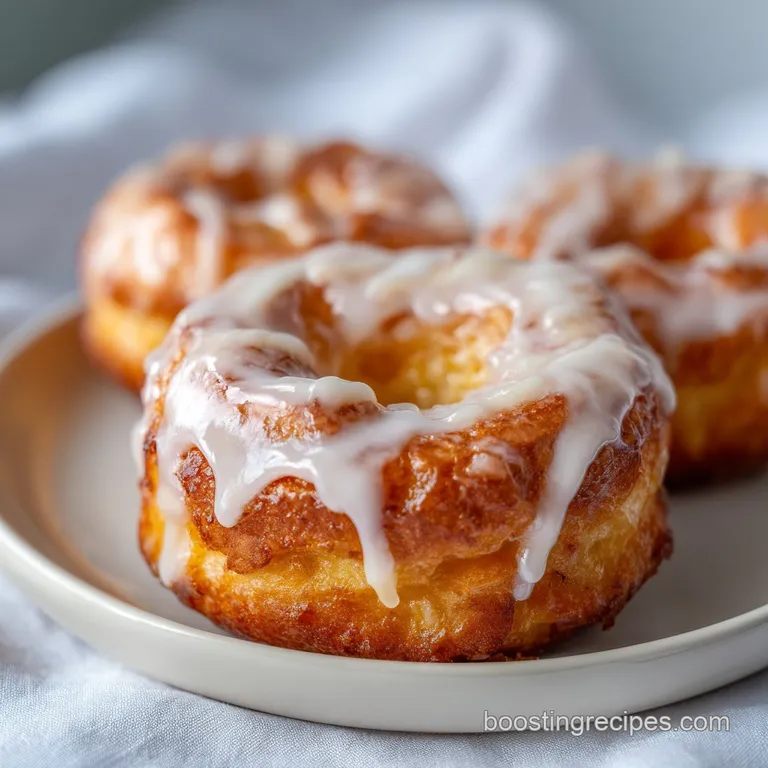
Now we get to the fun part. This is where the "roll" becomes a "donut." I've found that the most critical moment is the rolling phase. If you roll the dough too thin, the cinnamon swirl becomes too tight and can leak out into the oil. If it's too thick, you don't get enough cinnamon in every bite.
If you're feeling adventurous with your dessert menu, you might pair these with my strawberry cake recipe for a full blown sweets spread. But for now, let's focus on the fry.
Phase 1: Developing the Dough
- Combine warm milk, a pinch of sugar, and yeast. Let it sit for 5-10 minutes until it looks foamy and smells like fresh bread. Note: If it doesn't foam, your yeast is dead; start over!
- Combine flour, remaining sugar, and salt in a bowl. Add the yeast mixture and egg.
- Knead on medium low for 5-7 minutes until the dough is smooth and passes the windowpane test. Note: The windowpane test is when you can stretch a small piece of dough thin enough to see light through it without it tearing.
- Place in a greased bowl, cover, and let rise in a warm spot for 1 hour (or in the fridge for 2 hours). Wait until the dough has doubled in size.
Phase 2: Shaping the Cinnamon Swirls
- On a lightly floured surface, roll the dough into a 12" x 18" rectangle. Note: Keep the edges even so the log is uniform.
- Brush melted butter over the surface. Sprinkle evenly with the cinnamon sugar mixture.
- Roll the dough tightly into a log. Cut into 12 equal rounds.
- Use your thumb or a small round cutter to remove the center of each roll, creating the classic donut shape. Note: Don't throw away the centers! Fry them as "donut holes."
Phase 3: The Final Cook
- Heat oil to 350°F (175°C). Fry for 90 seconds per side until a deep mahogany gold. Note: Use a thermometer to keep the oil steady.
- Remove and drain on a wire rack for 2 minutes.
- Whisk powdered sugar, heavy cream, vanilla, and salt until smooth. Dip the warm donuts into the glaze.
Troubleshooting Common Dough Issues
Even for experienced cooks, dough can be temperamental. I remember one batch where my kitchen was so cold that the dough just sat there for two hours without moving. I almost gave up, but I put the bowl in the oven (turned off!) with a bowl of steaming water next to it. It worked like a charm.
| Issue | Solution |
|---|---|
| Why Your Dough is Too Sticky | If your dough is sticking to everything, you might have over hydrated it or your flour measure was off. Instead of dumping in more flour, which can make the donuts heavy, try oiling your hands. A litt |
| Why Your Donuts are Raw Inside | This usually happens when the oil is too hot. The outside looks done, but the heat never reached the center. If you notice them browning too fast, drop your heat by 10-20 degrees and give them a few m |
| Why the Glaze is Running Off | If your glaze is too thin, it'll just slide off and pool at the bottom. This happens if you add too much cream. Add more powdered sugar, one tablespoon at a time, until it has a "slow drip" consistenc |
Common Mistakes Checklist
- ✓ Never use milk that is steaming hot; it kills the yeast instantly.
- ✓ Always weigh your flour instead of using cups to avoid "packing" the flour.
- ✓ Don't crowd the pot; fry in batches of 3 or 4 to keep the oil temp stable.
- ✓ Dip donuts in glaze while warm, but not scorching, or the glaze will melt.
- ✓ Let the dough rest after rolling it out to prevent it from shrinking back.
Tasty Twist and Variations
Once you've mastered the basic cinnamon roll donuts recipe, you can start playing with the flavors. I love using this base for different seasonal twists. For example, adding a bit of orange zest to the glaze completely changes the vibe, making it feel lighter and more "spring like."
If you're looking for a different kind of treat, you might try some homemade samosas if you want something savory to balance out all this sugar. But if you're staying in the sweet lane, here are a few ways to tweak this recipe.
Maple Pecan Twist: Replace the vanilla in the glaze with maple syrup and top with toasted crushed pecans. This is incredible during the autumn months.
Orange Zest Brightener: Add the zest of one orange to the cinnamon sugar filling. It cuts through the richness of the butter and makes the donuts taste more sophisticated.
The Whole Grain Swap: You can replace about 100g of the AP flour with white whole wheat flour. It'll be a bit denser and have a nuttier taste, but it's a nice way to add a bit of fiber.
Dairy-free Alternative: Use coconut milk for the dough and glaze, and a high-quality vegan butter. The coconut milk actually complements the cinnamon quite well.
Decision Shortcut
- Want maximum fluff? Do the 2 hour fridge rise (cold fermentation).
- In a huge rush? Use a warm oven (off) for a 1 hour rise.
- Want a "bakery" look? Double dip the donuts in the glaze.
Scaling Your Batch
If you're feeding a crowd, you might want to double this cinnamon roll donuts recipe. But be careful you can't just double everything and expect it to work the same.
When doubling the dough, I recommend working in two separate batches for the kneading process unless you have a very large professional mixer. Overloading a home mixer can burn out the motor or lead to unevenly kneaded dough.
For the spices, I usually only increase the cinnamon and salt to about 1.5x the original amount; otherwise, the flavor can become too aggressive.
If you're making a smaller batch (half), remember to beat one egg in a small bowl and use only half of it. Don't try to "guess" half an egg, as the moisture balance is crucial for the rise. Also, reduce your frying time by about 10-15 seconds per side since smaller batches often heat up faster in the oil.
Storage and Scrap Tips
Donuts are always best fresh, but we've all been there you made too many and now you have a pile of them on Tuesday. The key to storing these is avoiding the fridge if possible, as the cold can actually make the bread go stale faster.
Keep them in an airtight container at room temperature for up to 2 days. If you need them to last longer, freeze them. I find that freezing them before glazing is better. Just pop them in the toaster oven for 3 minutes to crisp up, then dip them in fresh glaze.
As for zero waste, don't throw away those dough centers! I call them "cinnamon pops." Fry them up and toss them in a bit of extra cinnamon sugar. They make a great snack while you're waiting for the main donuts to cool.
Also, if you have leftover glaze, it works brilliantly as a drizzle over pancakes or waffles the next morning.
Serving and Plating Tips
Presentation is everything when you're showing these off. I like to stack them in a pyramid on a wooden board, which gives that "rustic bakery" feel. If you're serving them for a party, place a few fresh cinnamon sticks and some whole cloves around the board to enhance the aroma.
For a truly wild brunch, I recommend pairing these with some cranberry margaritas. The tartness of the cranberry cuts right through the buttery sweetness of the donuts, creating a perfect balance of flavors.
If you're giving these as a gift, place them in a cardboard bakery box with parchment paper. To keep them from sticking, make sure the glaze has fully set before you close the lid. A little ribbon around the box, and you've got a gift that looks like it cost 20 dollars at a boutique cafe.
Honestly, this cinnamon roll donuts recipe is all about the joy of the process. Whether you're a pro or this is your first time frying dough, just remember to keep an eye on that oil and trust your instincts with the dough. Once you see that mahogany gold color and smell the cinnamon, you'll know you've nailed it.
Happy frying!
Recipe FAQs
Can I store these donuts in the refrigerator?
No, avoid the fridge. Cold temperatures make the bread go stale faster; keep them in an airtight container at room temperature for up to 2 days or freeze them.
Why is my donut dough too sticky to handle?
You likely over hydrated the dough or measured flour incorrectly. Instead of adding more flour, which makes the donuts heavy, oil your hands to handle the dough more easily.
How to shape the cinnamon roll donuts?
Roll the dough into a tight log and cut into 12 equal rounds. Use your thumb or a small round cutter to remove the center of each piece to create the donut hole.
How to fry the donuts for the best color?
Heat oil to 350°F (175°C) and fry for 90 seconds per side. Remove them from the oil once they reach a deep mahogany gold color.
Is it true the dough must rise for several hours before rolling?
No, this is a common misconception. The dough only needs to rise for 1 hour in a warm spot or 2 hours in the fridge to be ready for rolling.
How to know if the dough is kneaded enough?
Knead on medium low for 5-7 minutes until the dough passes the windowpane test. This confirms the gluten is sufficiently developed for a smooth, professional texture.
Can I use different spices in the filling?
Yes, you can swap the cinnamon for other warm spices. If you enjoyed balancing the sweetness in our apple crisp, you can apply that same flavor logic to customize your filling.
Cinnamon Roll Donuts Recipe