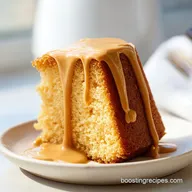
Peanut Butter Cake: Moist and Low-Sugar
This moist peanut butter cake recipe from scratch delivers a soft crumb that pairs perfectly with a cold glass of milk for a traditional afternoon treat.
rich nutty flavor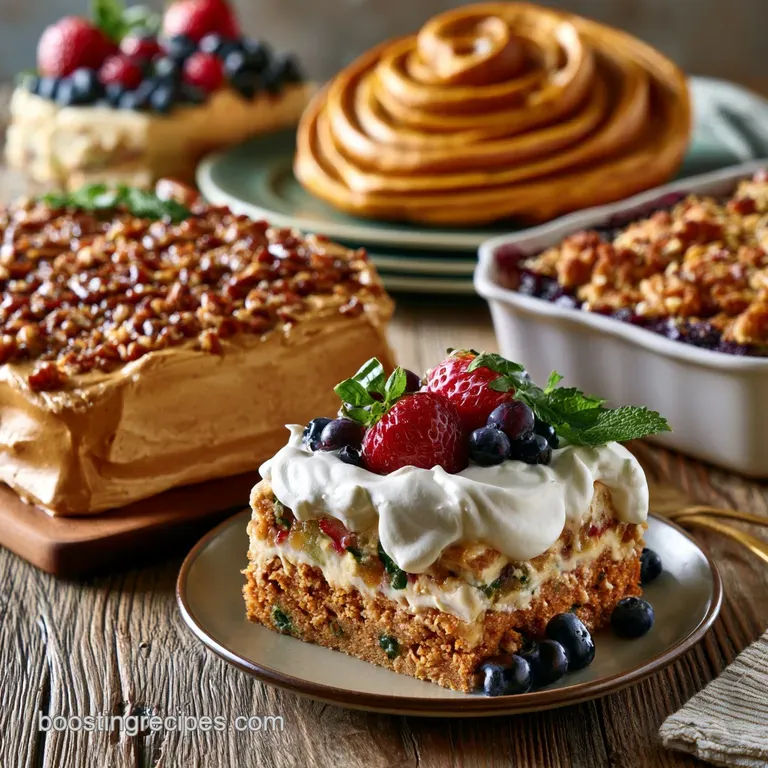
Caking at home often feels like a balancing act between achieving the right crumb and managing the clock. Whether you are prepping for a birthday or just want a sweet finish to a Tuesday dinner, a reliable recipe makes the difference between a dry sponge and a moist, flavorful result.
This collection focuses on variety, offering everything from traditional Latin desserts to simple fruit-based bakes that use pantry staples. Each option is selected for its straightforward approach, ensuring you can produce bakery-quality results without needing professional equipment.
These recipes highlight the rich profile of peanut butter in two distinct ways, catering to different preparation needs. One utilizes a traditional from-scratch baking method for a fluffy finish, while the other offers a chilled alternative that skips the oven entirely.
This moist peanut butter cake recipe from scratch delivers a soft crumb that pairs perfectly with a cold glass of milk for a traditional afternoon treat.
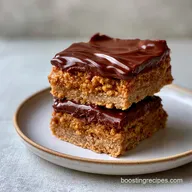
rich nutty flavorSkip the oven entirely with these dense bars that combine chocolate and peanut butter into a chilled treat, ideal for days when you need a simple sweet.
no-bake methodSeasonal flavors and creamy textures define this group of homemade treats. These options range from a classic rolled pumpkin sponge to a milk-soaked cake topped with fresh berries, providing elegant solutions for holiday gatherings or summer potlucks.
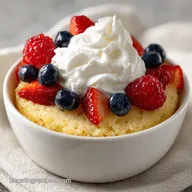
This Tres Leches Cake Recipe brings authentic Latin desserts to your kitchen, featuring a milk-soaked sponge that remains light and airy despite its creamy topping.
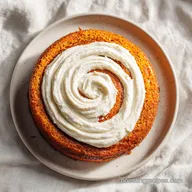
milk-soaked spongeRolling a warm pumpkin sponge requires a bit of technique, but the result is a striking holiday centerpiece filled with a smooth, spiced cream cheese center.
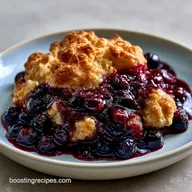
cream cheese fillingFresh berries take center stage in this rustic bake, which combines a jammy fruit base with a golden, cake-like topping for a simple Southern-style dessert.
jammy fruit base| # | Recipes | Best For | Time | Difficulty | Method |
|---|---|---|---|---|---|
| 1 | Peanut Butter Cake Recipe | birthday parties | 50 min | Intermediate | Oven-baked |
| 2 | Peanut Butter Bars | chilled treats | 1 hr 15 min | Easy | No-bake |
| 3 | Tres Leches Cake with Berries | family gatherings | 1 hr | Easy | Soaked sponge |
| 4 | Pumpkin Roll Cake | autumn holidays | 40 min | Intermediate | Rolled sponge |
| 5 | Blueberry Cobbler | summer potlucks | 70 min | Easy | Oven-baked |
Discover more curated recipe collections
Explore more recipe collections →