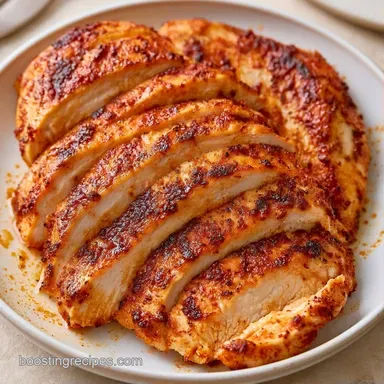
Blackened Chicken Breast with Smoked Paprika
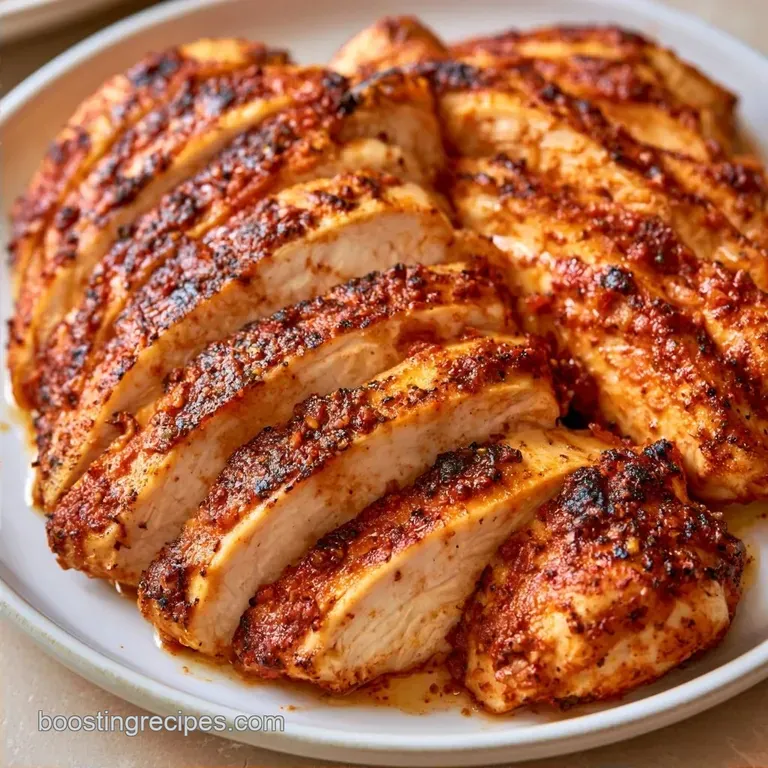
- Time: 10 min prep + 18 min cook
- Flavor/Texture Hook: Smoky, charred crust with juicy meat
- Perfect for: Low carb dinners or meal prep
Ever wonder why restaurant chicken has that dark, almost charred crust but still tastes juicy? It looks like it might be burnt, but that's actually where all the flavor lives. It's a specific kind of sear that hits different than a standard pan fry.
I used to just throw spices on and hope for the best, but that usually led to dry meat or raw centers. The trick is all in the thickness of the meat and the heat of the pan.
You can expect a dish that tastes like a trip to New Orleans. This Blackened Chicken Breast packs a punch with smoked paprika and cayenne, but the butter finish keeps it from feeling too sharp.
How to Make Blackened Chicken Breast
The goal here is a deep mahogany color. You aren't looking for a pale gold sear, but a dark, bold crust that smells like a campfire. It's an aggressive way of cooking that pays off in flavor.
Most people skip the pounding step, but that's a mistake. If one end of the breast is two inches thick and the other is half an inch, the thin part dries out before the middle is safe to eat.
For those who prefer different tools, a Blackened Chicken Breast Air Fryer method works, though you lose that butter basting finish. Similarly, a Blackened Chicken Breast on Grill gives a great char, but you have to watch the spices so they don't flare up.
Why the Crust Works
- High Heat: The cast iron pan reaches temperatures that brown the spices quickly. This creates a savory layer without overcooking the inside.
- Surface Dryness: Removing moisture from the skin allows the oil to sizzle immediately. Water on the meat just steams the spices, which prevents a crust from forming.
The stovetop method gives you the most control over the char. For a comparison, check out this breakdown:
| Method | Time | Texture | Best For |
|---|---|---|---|
| Cast Iron | 18 mins | Hard crust, juicy center | Maximum flavor |
| Oven | 25 mins | Even cook, lighter char | Cooking in bulk |
Ingredient Deep Dive
Right then, let's look at what's actually doing the work in the pan.
| Ingredient | Role | If You Don't Have It |
|---|---|---|
| Smoked Paprika | Color and woodsy flavor | Regular paprika (less smoky) |
| Cayenne Pepper | The heat kick | Chili powder (milder) |
| Unsalted Butter | Gloss and richness | Ghee or coconut oil |
| Neutral Oil | over High heat searing | Avocado or grapeseed oil |
Essential Kitchen Tools
You can get great results with basic gear, though a few items help. Cast iron is ideal because it retains heat more effectively than other pans. If you use stainless steel, just keep in mind that the chicken might stick a little.
A meat mallet is also very helpful. In its absence, a rolling pin or a sturdy frying pan will work to flatten the meat for a uniform thickness.
Finally, a digital meat thermometer is the best way to prevent the meat from becoming rubbery. Removing it at 160°F is the secret to keeping it juicy.
Step by step Cooking
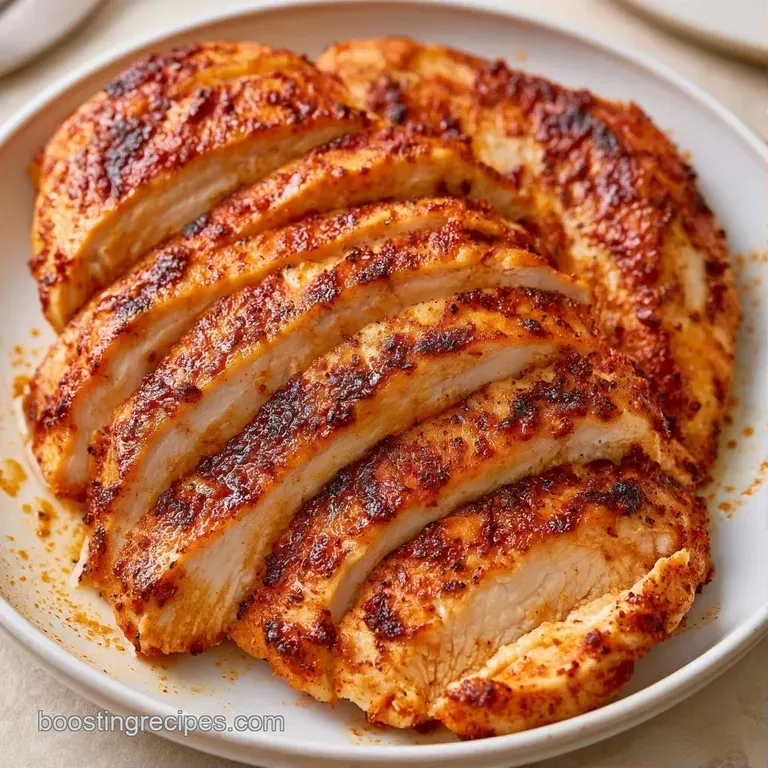
- Set the chicken breasts between two sheets of parchment paper. Use a meat mallet to gently flatten the thickest areas until each piece is about 3/4 inch thick. Note: This ensures even cooking.
- In a small bowl, stir together the smoked paprika, garlic powder, onion powder, cayenne, thyme, oregano, salt, and black pepper.
- Thoroughly pat the chicken dry with paper towels. Rub the spice blend into both sides of the meat, pressing it in firmly.
- Bring neutral oil to a shimmer in a cast iron pan over medium high heat.
- Add the chicken to the pan. Sear for 5-7 minutes per side until a deep mahogany colored crust forms.
- During the final 2 minutes, stir in the butter and spoon the foaming liquid over the chicken.
- Remove the meat from the pan once the internal temperature reaches 160°F (71°C).
- Move the chicken to a plate and let it rest for 5 minutes. Note: Carry over heat brings it to the safe 165°F.
Solving Common Cooking Snags
It's easy for things to go south if the pan is too hot or the meat is too wet. If the spices smell acrid, you've pushed the heat too far and the rub is burning.
Another common issue is the "stick." If the chicken won't budge, don't force it. The meat naturally releases from the pan once the crust has fully formed.
Fixing Burnt Spices
If the rub turns black and smells bitter, your pan is overheating. Lower the heat and add a teaspoon of oil to cool the surface slightly.
Stopping the Sticking
Forcing the meat out of the pan tears the crust. Give it another minute; the sear will eventually let go on its own.
Avoiding Dry Meat
Overcooking is the biggest enemy of the Blackened Chicken Breast. Always use a thermometer and pull the meat before it hits 165°F.
| Problem | Fix |
|---|---|
| Bitter taste | Lower heat and add oil |
| Meat sticking | Wait for the sear to release |
| Dry interior | Pull at 160°F and rest |
Taste Variations and Swaps
To shift away from the Cajun style, try a different rub. For instance, this Italian chicken recipe employs comparable searing methods but features a distinct blend of herbs.
A honey lime glaze brushed on after resting adds a sweet touch. Alternatively, if you prefer a sticky coating, my Honey Garlic Chicken is an excellent choice.
To make this Homemade Blackened Chicken Breast dairy-free, replace the butter with one tablespoon of vegan butter or a bit more olive oil. Since the butter is primarily for the final touch, the recipe remains successful without it.
| Original Ingredient | Substitute | Why It Works |
|---|---|---|
| Smoked Paprika | Chipotle Powder | Similar smoke, adds a deeper heat |
| Cayenne | Red Pepper Flakes | Provides heat, though less uniform |
| Unsalted Butter | Ghee | Higher smoke point, same richness |
- For more heat
- increase cayenne to 2 tsp.
- For less salt
- use a salt free garlic powder.
- For a softer crust
- use a non stick pan over medium heat.
Storing and Saving Leftovers
Keep any remaining portions sealed in a container in the refrigerator for as long as 3 days. When warming them up, try to skip the microwave. Instead, lightly fry them in a skillet over medium heat for 2 minutes on each side to restore the crispiness while keeping the middle juicy.
For long term storage, ensure the chicken has cooled entirely before freezing. Wrap individual pieces in aluminum foil and store in a freezer safe bag for up to 2 months. Let them defrost in the refrigerator overnight prior to heating.
Make sure to save the pan drippings. This blend of toasted butter and spices is incredibly flavorful. You can mix it into fluffy steamed rice or combine it with a bit of chicken broth to create a simple pan sauce.
What to Serve With It
Because this meal has intense flavors, pair it with sides that balance the spice. A refreshing coleslaw or a crunchy cucumber salad are great choices. For something more classic, try serving it alongside roasted corn on the cob or dirty rice.
I personally love turning this into a low carb power bowl. Just slice the chicken and serve it atop quinoa and sautéed kale, finishing it with a scoop of Greek yogurt to mellow out the heat.
The Truth About Searing
There is a common belief that searing "locks in" the juices, but this is a myth. Moisture escapes during the entire cooking process. The purpose of a sear is to improve flavor and texture, not to keep the meat moist.
Clearing Up the Rub
People often confuse "blackening" with burning. They aren't the same. Blackening is simply a controlled charring of the spice blend. If the meat tastes like carbon, your pan was too hot.
Why Pound the Meat?
You may worry that pounding the chicken ruins its consistency. In reality, it creates a more even thickness, which prevents the thinner edges from overcooking and becoming tough.
Recipe FAQs
What does blackening chicken actually mean?
It is a technique of searing heavily seasoned meat in a hot skillet to create a dark, flavorful crust.
Tip: The dark color comes from the toasted spices rather than burnt meat.
How to prepare blackened chicken breasts?
Pound breasts to 3/4 inch thickness, coat with the spice mix, and sear in a hot cast iron skillet for 5-7 minutes per side.
Tip: Press the spices firmly into the meat so they adhere during the searing process.
Which stovetop method works best for blackening?
Use a cast iron skillet over medium high heat with neutral oil until the oil begins to shimmer.
Tip: Spoon foaming butter over the chicken during the final 2 minutes for a professional finish.
Is this cooking style healthy?
Yes, it utilizes lean protein and aromatic spices with very little added fat.
Tip: Use a neutral oil with a high smoke point to prevent the fats from breaking down.
Can I use Italian seasonings instead?
Yes, although you will lose the characteristic smoky heat provided by the paprika and cayenne.
Tip: These seasoned breasts make an excellent filling for a quick wrap.
What seasoning blend creates the best crust?
A blend of smoked paprika, garlic powder, onion powder, cayenne, thyme, oregano, salt, and pepper works perfectly.
Tip: Ensure the chicken is thoroughly dried before seasoning to prevent the meat from steaming.
Is it true that you must use a blowtorch to get the charred look?
That's a myth. A properly heated cast iron pan achieves the same dark crust through the Maillard reaction.
Tip: Avoid overcrowding the pan to keep the temperature high enough for a proper sear.
Why is my chicken not searing properly?
The pan may not be hot enough or the chicken surface was too moist when added to the oil.
Tip: Wait for the oil to shimmer and the pan to be very hot before placing the meat inside.
Blackened Chicken Breast