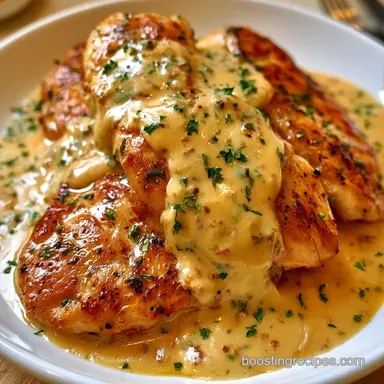
Creamy Dijon Chicken Breasts
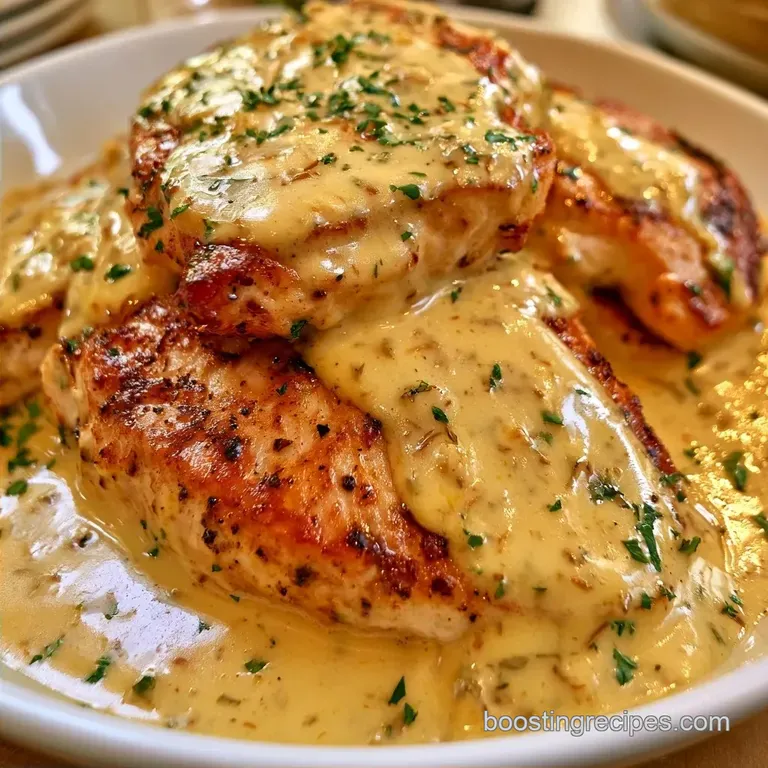
- Time: 10 mins prep + 20 mins cooking
- Taste Profile: Zesty, velvety sauce paired with a perfectly browned crust
- Perfect for: Busy weeknights or a simple romantic dinner
Nothing beats the sound of butter bubbling in a searing pan. That particular crackle is my signal that dinner is finally coming together. I recall a random Tuesday years ago when I had a strict thirty minute window to prepare something better than usual for my partner.
Armed with only a few chicken breasts and some Dijon mustard, I decided to improvise.
That experience proved that you don't need a professional French kitchen to achieve those bold, tangy notes. A handful of basic ingredients and a few minutes of simmering are all it takes. This recipe has become my reliable choice for a meal that appears sophisticated but respects a busy calendar.
This dish delivers a perfectly balanced taste. The mustard's bite cuts through the richness of the cream, while the thyme adds a touch of woody warmth. It fills your home with the aroma of a Parisian cafe and is remarkably foolproof if you keep an eye on the clock.
Making Juicy Dijon Chicken Breasts
The main struggle with chicken breasts is the shape. One end is thick and the other is thin, which means the thin part turns into rubber by the time the thick part is safe to eat. Pounding them to a uniform size fixes this entirely.
- Even Thickness
- Flattening the meat ensures every bite hits 165°F at the same time.
- Acid Balance
- The vinegar in the mustard cuts through the fat of the cream and butter, keeping the sauce from feeling too heavy.
- The Fond
- Searing the meat first leaves brown bits in the pan that add a deep, savory base to the final sauce.
| Method | Time | Texture | Best For |
|---|---|---|---|
| Stovetop | 30 mins | Hard sear, rich sauce | Quick weeknights |
| Oven | 45 mins | More tender, lighter | Larger groups |
Tools You'll Actually Need
A heavy bottomed skillet is essential for this dish. Opt for cast iron or stainless steel, as these materials maintain heat effectively and create the flavorful browned bits required for the sauce. Non-stick pans are acceptable, though the sear won't be as flavorful.
A meat mallet is another indispensable tool. If you're missing one, a sturdy rolling pin or the bottom of a heavy skillet will do. Just remember to use a freezer bag or plastic wrap to prevent raw chicken from getting all over your counters.
The Right Ingredients
For the protein, I always go with boneless, skinless breasts. They soak up the sauce better without the skin getting in the way. The Dijon mustard should be the smooth kind, not the grainy variety, to keep the sauce texture consistent.
For the liquid, a dry white wine like Sauvignon Blanc adds a bright acidity. If you aren't using alcohol, chicken broth is a solid swap that keeps the savory profile. Fresh thyme is a must here. Dried thyme is okay, but it lacks the lemony, fresh punch that makes this recipe stand out.
Quick Recipe Specs
| Original Ingredient | Substitute | Why It Works |
|---|---|---|
| Heavy Cream (1/2 cup) | Full fat Coconut Milk | Matches the richness. Note: Introduces a tropical taste |
| White Wine (1/4 cup) | Chicken Broth | Provides a similar savory base. Note: Missing the wine's acidic zip |
| Dijon Mustard (2 tbsp) | Whole Grain Mustard | Offers a similar zest. Note: Gives the sauce a seedier texture |
| Fresh Thyme (1 tsp) | Dried Thyme (1/2 tsp) | Shares the same earthy profile. Note: Less fragrant than fresh |
Chef Note: If your Dijon mustard is overly sharp, whisk in a tiny bit of honey or a pinch of sugar. This won't make the recipe sweet, but it helps mellow out the vinegar.
How to Cook the Chicken
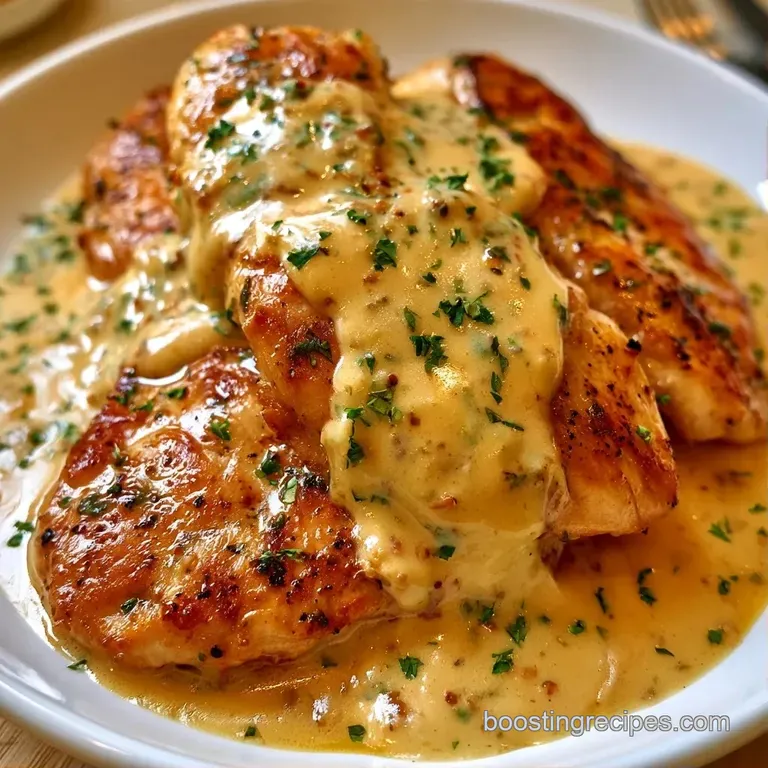
Prepping the Protein
Slice the thicker end of each chicken breast horizontally to create two thinner cutlets. Place them between sheets of plastic wrap and use a meat mallet to pound them to a uniform 1/2 inch thickness. Season both sides generously with salt and pepper.
Searing for Color
Heat olive oil and 2 tbsp of butter in a skillet over medium high heat until the butter foams and begins to brown. Add chicken breasts and sear without moving them for 4–5 minutes until a golden brown crust forms. Flip and cook for another 4–5 minutes.
Remove chicken to a plate and let it rest.
Crafting the Sauce
Lower the heat to medium. In the same pan, sauté the diced shallots and minced garlic for 1–2 minutes until they smell fragrant. Pour in the white wine or broth, scraping the bottom of the pan with a whisk to release the fond.
Stir in the Dijon mustard and thyme, simmering for 2 minutes until the liquid reduces by half.
Finishing and Resting
Stir in the heavy cream and remaining 1 tbsp of butter, simmering until the sauce thickens and becomes silky. Return the Dijon Chicken Breasts to the pan and spoon the sauce over them to heat through. Let them sit for 2 minutes before serving.
Fixing Common Sauce Issues
Fixing a Broken Sauce
If the sauce separates or looks curdled, it usually means the heat was too high. Remove the pan from the burner immediately. Whisk in a teaspoon of cold water or a splash of extra cream over very low heat to pull the emulsion back together.
Preventing Dry Meat
The biggest culprit for dry chicken is overcooking. Use a meat thermometer and pull the Dijon Chicken Breasts off the heat when they hit 160°F. Carryover cooking will bring them up to the safe 165°F mark while they rest on the plate.
Stopping Bitter Mustard
Some brands of Dijon are much more pungent than others. If the sauce tastes too harsh, add an extra tablespoon of heavy cream or a small knob of cold butter at the very end. The fat coats the tongue and mellows the acidity of the mustard.
Storing and Reheating Leftovers
Place any remaining Dijon Chicken Breasts in an airtight container and refrigerate for up to 3 days. Note that the sauce will thicken as it cools, which is perfectly normal.
When reheating, use a skillet over medium low heat. Stir in a tablespoon of water or broth to bring the sauce back to its original consistency. Try to avoid the microwave, as it often overcooks the meat and may cause the cream to split.
To reduce waste, store your garlic skins and shallot ends in a bag in the freezer. Once full, simmer these scraps with a carrot and water to create a simple vegetable stock for future pan sauces.
Easy Flavor Tweaks
If you want to change the profile, try adding 1 tbsp of honey to the mustard mixture. This creates a sweet and savory glaze that kids usually love. For a more earthy version, sauté sliced mushrooms with the shallots before adding the wine.
If you are looking for a different way to use chicken, you might like a classic remoulade sauce for a cold chicken sandwich. For those who prefer a different cooking tool, you can adapt this for an air fryer. Rub the chicken with the mustard and oil, air fry at 375°F for 12–15 minutes, and then make the cream sauce in a small pan on the stove.
Quick Adjustments: More tang? → fold in 1 tsp lemon zest Richer flavor? → use a splash of brandy instead of wine Lighter version? → swap heavy cream for evaporated milk
Best Side Dish Pairings
Since the sauce is the star here, you'll want sides that can soak up every drop. I suggest serving this over Potatoes in 35 Minutes recipe or a bed of steamed jasmine rice. The starch acts as a perfect sponge for that mustard cream.
If you're looking for something lighter, roasted asparagus or sautéed spinach work great. The earthy bitterness of the vegetables cuts through the creaminess of the sauce. A simple crusty baguette is also a fantastic addition, primarily so you can dip it in the pan after the chicken is gone.
Now you've got a meal that feels like a gourmet treat without occupying your entire night. These Dijon Chicken Breasts show that a few simple tricks, like pounding the meat and deglazing the pan, create a huge difference. Just remember to let the meat rest, watch your sauce temperature, and enjoy the meal.
Recipe FAQs
What does adding Dijon mustard to chicken do?
It adds a tangy, sharp flavor that cuts through the richness of the heavy cream. This balance prevents the finished sauce from tasting too heavy or bland.
How to make this creamy Dijon sauce?
Sauté shallots and garlic in the pan, then deglaze with white wine or broth. Stir in Dijon mustard, thyme, and heavy cream, simmering until the liquid reduces and thickens.
Is it true that you must marinate the chicken first for flavor?
No, and here's why. Pounding the meat to a uniform thickness and searing it in butter creates a golden crust that carries the sauce's flavor perfectly.
Why is my chicken breast drying out in the pan?
The breasts are likely uneven in thickness, causing thinner areas to overcook. Use a meat mallet to pound them to a uniform half inch thickness for consistent results.
Which sides pair best with this dish?
Roasted vegetables or crusty bread are ideal for soaking up the creamy sauce. If you want a lighter contrast, see how we balance flavors in our wrap recipe.
Creamy Dijon Chicken Breasts