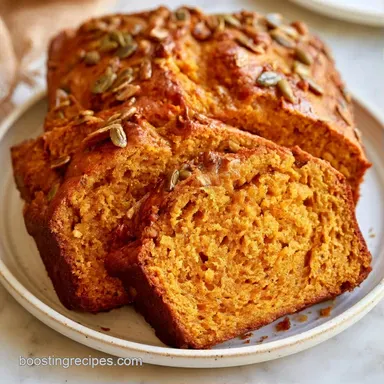
Moist Downeast Maine Pumpkin Bread
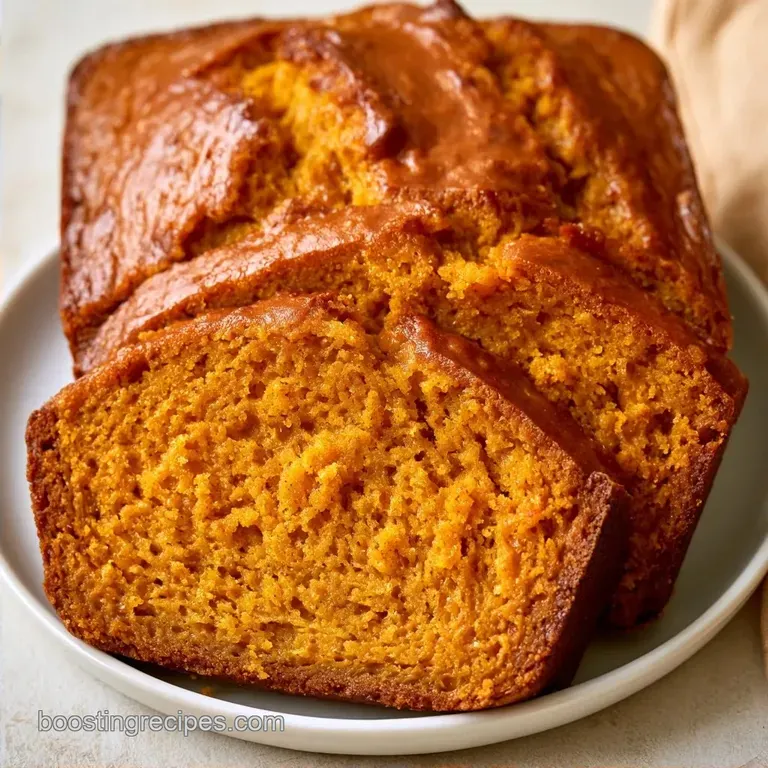
- Time: 20 min active + 50 min bake
- Flavor/Texture Hook: Spiced, mahogany colored, and moist
- Perfect for: Cozy autumn mornings or gifting to neighbors
The smell of cinnamon and cloves hitting a hot oven is basically autumn in a pan. There is nothing quite like that first slice of a warm loaf, especially when it's got those little bits of toasted walnuts and sweet raisins.
But let's be honest, most pumpkin breads have a problem. You've probably made one that turned out with a gummy, rubbery center or a crust that felt like a sponge. It usually happens because the batter was over mixed or the moisture balance was off.
This Downeast Maine Pumpkin Bread fixes that. We're using a specific fat ratio and a gentle folding method to make sure the bread stays tender. It's a rustic, old-fashioned style that tastes like it came from a small town bakery in New England.
Making Downeast Maine Pumpkin Bread
Right then, the main goal here is a moist, heavy loaf. Unlike a light cake, this is meant to be substantial. If you've tried my basic banana bread, you'll notice the texture is similar, but the pumpkin adds a deeper, earthier weight.
The key is in the "dual fat" approach. Butter gives you that rich, nostalgic flavor, but oil is what keeps the bread from turning into a brick the next day. When you combine them, you get a loaf that stays fresh and tender far longer than butter only recipes.
Let's get into the details of how to get this right every time.
What Nobody Tells You
- Dual Fat System: Butter provides the flavor while oil keeps the crumb moist at room temperature.
- Gentle Folding: Using a spatula instead of a mixer prevents gluten from toughening, which stops the rubbery center.
- Spice Balance: A high ratio of cinnamon and cloves masks the "canned" taste of pumpkin puree.
This specific balance of fats is why the bread feels so lush. If you're in a breakfast mood, this pairs great with my pumpkin spice pancakes.
| Method | Time | Texture | Best For |
|---|---|---|---|
| Fast Mixer | 10 min | Lighter/Airier | Quick snacks |
| Classic Fold | 20 min | Dense/Moist | Traditional loaves |
Ingredient Deep Dive
Each part of this recipe has a job. If you skip the oil, for example, you'll lose that long term softness.
| Ingredient | Role | If You Don't Have It |
|---|---|---|
| Pumpkin Puree | Base & Moisture | Mashed butternut squash (adds more water) |
| Baking Soda | Lift & Browning | Baking powder (use 3x the amount) |
| Vegetable Oil | Softness | Melted coconut oil (adds slight coconut taste) |
| Ground Cloves | Depth | Extra cinnamon (less pungent) |
Essential Kitchen Tools
Standard kitchen gear is all you need. A few basic tools will suffice.
- Two 9x5 inch loaf pans
- A large mixing bowl
- A sturdy whisk
- A rubber spatula for folding
- A sifter or fine mesh strainer
- A wire cooling rack
Step-by-step Instructions
Let's crack on with the baking. Make sure your eggs are at room temperature so the batter doesn't separate.
Phase 1: The Flavor Base
- Preheat your oven to 350°F (175°C) and grease two 9x5 inch loaf pans.
- Whisk together the melted butter, oil, and sugar in a large bowl until smooth.
- Add the eggs one at a time, beating well after each egg.
- Stir in the pumpkin puree and vanilla extract until the mixture is velvety and uniform.
Phase 2: Mixing the Dry Ingredients
- Sift the flour, baking soda, salt, cinnamon, nutmeg, and cloves directly into the wet bowl. Note: Sifting prevents clumps of baking soda in the final slice.
- Use a spatula to fold the mixture together gently until no dry flour streaks remain. Stop immediately to avoid over mixing.
- Fold in the chopped walnuts and raisins using the same gentle motion.
Phase 3: The Bake
- Divide the batter evenly between the two prepared pans.
- Bake for 50–60 minutes until a skewer comes out clean or a few moist crumbs.
- Let the loaves cool in the pans for 10 minutes, then move them to a wire rack.
Pro Tips & Pitfalls
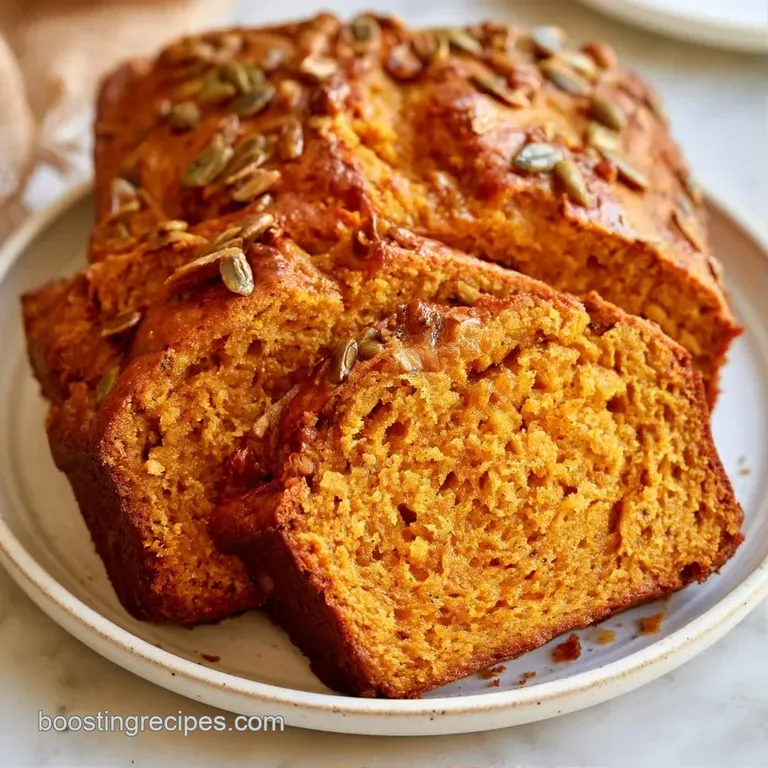
The biggest risk with Downeast Maine Pumpkin Bread is the "gummy" center. This happens when the flour is beaten too hard, creating too much gluten. You want to fold the batter, not whip it.
Another issue is over browning. Because of the sugar and pumpkin, the top can darken before the middle is set. If you see the top getting too dark at the 40 minute mark, just tent it loosely with foil.
Fixing a Gummy Center
This usually means the bread was pulled too early or over mixed. Make sure your skewer is truly clean before removing it from the oven.
Managing Top Browning
Use a foil tent to shield the top while the center finishes cooking. This keeps the crust from burning.
Preventing Sinking Tops
Don't open the oven door too often in the first 30 minutes. The sudden temperature drop can cause the center to collapse.
| Problem | Root Cause | Solution |
|---|---|---|
| Rubbery Texture | Over mixing the batter | Fold gently with a spatula |
| Burnt Crust | Oven temperature too high | Tent with foil after 40 mins |
| Unbaked Center | Pan too full or oven too hot | Use skewer test; bake longer |
Adjusting the Batch Size
You can easily change the size of this Downeast Maine Pumpkin Loaf depending on who you're feeding.
For a single loaf: Cut all ingredients in half. Use one 9x5 pan and reduce the baking time by about 10-15 minutes. Since you'll need 2 eggs instead of 4, it's a simple split.
For a double batch (4 loaves): Keep the salt and spices at 1.5x instead of 2x to avoid an overpowering taste. Work in batches if your bowl isn't large enough. If baking more than two loaves at once, lower the oven temp by 25°F (to 325°F/160°C) and add 10 minutes to the timer to ensure even heat.
| Premium Ingredient | Budget Alternative | Impact | Savings |
|---|---|---|---|
| Chopped Walnuts | Sunflower Seeds | Nuttier, less "woody" | Low |
| Dried Cranberries | Raisins | Less tart, more sweet | Low |
| Pure Vanilla Extract | Vanilla Essence | Lighter flavor profile | Medium |
Kitchen Myths Debunked
A lot of people think you need a stand mixer to get a professional result. That's actually a mistake here. A hand whisk and a spatula give you way more control over the gluten, which is why a hand mixed Downeast Maine Pumpkin Bread is often more tender.
Another common belief is that you should "cream" the butter and sugar for 5 minutes. For this specific loaf, we use melted butter. Creaming is for cakes that need a lot of air; this bread needs density and moisture, so a simple whisk is better.
Storage and Zero Waste
To keep your Downeast Maine Pumpkin Bread fresh, store slices in a sealed plastic container in the cooler for up to 5 days. It actually tastes better on day two once the spices have had time to settle.
For longer storage, wrap the loaves tightly in foil and then plastic wrap. They stay great in the freezer for 3 months. Just thaw a slice in the microwave for 20 seconds or toast it for a bit of crunch.
If you have leftover pumpkin puree in the can, don't toss it. Freeze it in ice cube trays and pop one into your morning oatmeal or a smoothie. If you have extra walnuts, toast them in a dry pan for 3 minutes and keep them as a salad topper.
Creative Flavor Twists
After you have mastered the standard Downeast Maine Pumpkin Bread, feel free to experiment with various mix-ins.
For a maple pecan twist: Use pecans instead of walnuts and substitute 1/4 cup of the granulated sugar with maple sugar or a thick maple syrup. This adds a deeper, woodsy sweetness.
For a bright autumn flavor: Stir 1 teaspoon of orange zest into the wet ingredients. The citrus balances the butter and makes the cloves stand out.
To change the texture, try replacing the raisins with chopped dates or dried apricots. Just remember to dice them small so they don't sink to the bottom of the pan.
Serving Your Loaves
The best way to enjoy this bread is slightly warm. I usually slice it thick and sear it in a pan with a small knob of butter until the edges are crisp.
Serve it alongside a cup of black coffee or a hot cider. If you want to get fancy, spread a layer of salted butter or a dollop of cream cheese on top. Because this loaf is so rich, it doesn't need much else.
For gifting, wrap the loaf in parchment paper and tie it with a piece of twine. It looks rustic and feels like a real piece of Maine tradition. Trust me, it's a hit every single time.
Recipe FAQs
Can I use fresh pumpkin instead of canned?
Yes, but you must puree it and strain out excess water first. Canned puree has a consistent moisture level that prevents the bread from becoming too soggy.
Why is my pumpkin bread sinking in the middle?
This usually happens if the oven door is opened too early or the baking soda is expired. Ensure the loaf is fully set with a clean skewer before removing it from the heat.
Could I bake these as muffins instead?
Yes, simply pour the batter into greased muffin tins. Bake them for a shorter duration, similar to how you would prepare pumpkin oatmeal muffins.
Is it true that reducing the sugar won't change the loaf's structure?
No, this is a common misconception. Sugar provides moisture and tenderness, so cutting it significantly can result in a dry, tough bread.
How to keep the bread fresh for a week?
Store slices in a sealed plastic container in the cooler. The flavors actually intensify on the second day as the spices settle.
Does this recipe include dairy?
Yes, it uses melted unsalted butter. You can substitute this with a plant based butter if you need a dairy-free version.
What prevents the bread from becoming over mixed and tough?
Using a spatula, stir the dry ingredients into the wet mixture. Stop mixing once the flour streaks have vanished to ensure a tender crumb.
Downeast Maine Pumpkin Bread