Maple Glazed Salmon: Caramelized and Tender

- Time:5 minutes prep + 15 minutes cook = 20 minutes total
- Flavor/Texture Hook: Glossy, caramelized edges with a buttery, velvety center
- Perfect for: Busy weeknights where you want a "fancy" feeling meal without the effort
- Mastering Perfectly Sticky Maple Glazed Salmon
- The Method Behind the Flavor
- Essential Stats for Best Results
- Quality Components for Better Meals
- Gear Needed for This Dish
- Precise Steps to Success
- Solving Common Salmon Cooking Issues
- Alternative Ways to Cook This
- Storage and Reheating Guidelines
- The Best Pairings for Salmon
- Debunking Salmon Preparation Myths
- Recipe FAQs
- 📝 Recipe Card
Mastering Perfectly Sticky Maple Glazed Salmon
Picture this: it's a rainy Tuesday, you've just walked in the door, and the last thing you want to do is hover over a hot stove for an hour. I’ve been there more times than I can count.
One night, I was staring at a couple of salmon fillets and a bottle of maple syrup, wondering if I could make something that tasted like a high end bistro meal without actually putting on real pants. That was the night this specific version of Maple Glazed Salmon was born.
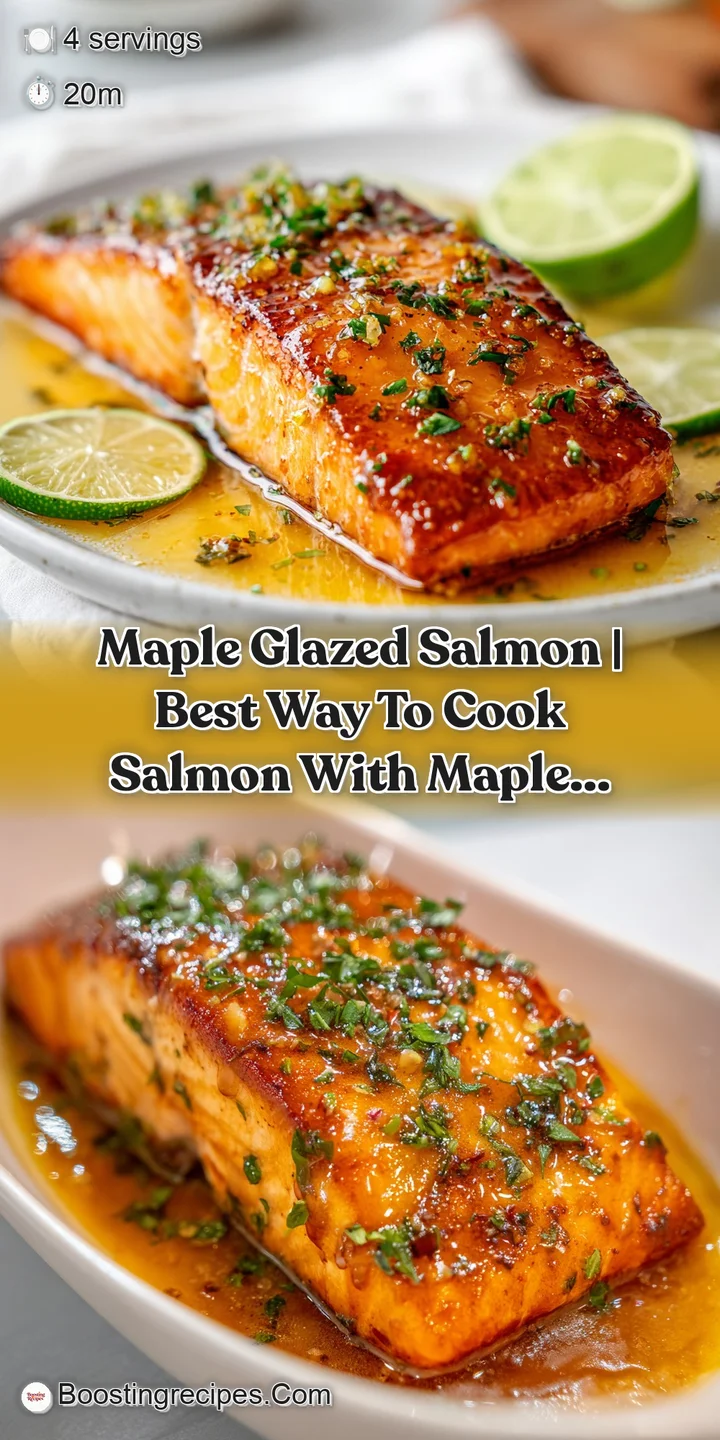
The kitchen immediately filled with the scent of bubbling sugar, toasted garlic, and that sharp, earthy zing of fresh ginger. When I finally pulled the tray out of the oven, the glaze was sizzling against the parchment paper, turning into a sort of savory candy that clung to every curve of the fish.
It wasn’t just good; it was the kind of meal that makes you close your eyes for a second while you chew.
Since then, this has become my go to "emergency" dinner. It’s elegant enough for guests but fast enough for a solo Netflix marathon night. We aren't just baking fish here; we are creating a balance of salt, acid, and sugar that transforms a simple protein into something truly special.
Let’s get into how you can pull this off every single time without breaking a sweat.
The Method Behind the Flavor
I used to just pour syrup over the fish and hope for the best, but that usually led to a watery mess. Here is why this specific approach works so well.
- Reduction Power: Simmering the glaze first drives off excess water, concentrating the sugars so they actually stick to the fish instead of sliding off into the pan.
- Thermal Buffering: The sugar in the maple syrup creates a protective layer that browns before the delicate fish proteins can overcook and become tough.
- Acidic Contrast: The apple cider vinegar breaks down the heavy sweetness of the syrup, which prevents the dish from feeling too cloying or heavy on the palate.
- Aromatics Infusion: Mincing the garlic and grating the ginger fresh allows their volatile oils to bloom in the warm syrup, flavoring the entire fillet from the outside in.
| Thickness | Internal Temp | Rest Time | Visual Cue |
|---|---|---|---|
| 1 inch | 145°F | 3 mins | Opaque and easily flakes |
| 1.5 inches | 145°F | 5 mins | Center resists slight pressure |
| 0.5 inches | 145°F | 2 mins | Edges are golden brown |
Selecting the right salmon is half the battle when you're aiming for that velvety texture. I usually look for center cut fillets because they have a more uniform thickness, which means they’ll cook at the same rate. If you have a thin tail piece and a thick center piece on the same tray, one is going to be dry by the time the other is ready. If you're looking for something fresh to pair with this, a Sweet and Spicy Cucumber Salad offers a crisp, cold contrast to the warm, rich fish.
| Component | Science Role | Pro Secret |
|---|---|---|
| Maple Syrup | Caramelization agent | Use Grade A for better flow |
| AC Vinegar | Acidic balance | Brightens the heavy fat in salmon |
| Fresh Ginger | Protease enzymes | Gently tenderizes the surface fibers |
| Smoked Paprika | Flavor depth | Adds a "grilled" note without a grill |
Essential Stats for Best Results
When we talk about salmon, precision is your best friend. I've ruined enough expensive fillets to know that "winging it" with the timer usually ends in heartbreak. For this Maple Glazed Salmon, we are aiming for a total cook time of exactly 15 minutes at a steady 400°F.
The first 8 minutes are about setting the structure and letting the first layer of glaze soak in. The final 4 to 7 minutes are where the magic happens that’s when the sugars in the syrup reach their caramelization point. If you pull it too early, it's just wet fish.
If you leave it too long, the garlic in the glaze will turn bitter and burnt.
Wait, what about the white stuff that sometimes leaks out of salmon? It’s called albumin. It’s perfectly safe to eat, but it usually means the fish was pushed too hard and too fast by the heat. By using our two stage glazing method, we keep the surface moist, which helps minimize that protein squeeze.
Quality Components for Better Meals
You don't need a pantry full of exotic ingredients for this, but the quality of what you do use matters.
- 4 (6 ounce) salmon fillets: Center cut is king here for even cooking. Why this? Provides consistent thickness for predictable roasting times.
- 1/2 tsp kosher salt: Use a coarse grain to avoid over salting. Why this? Controlled seasoning that doesn't dissolve instantly.
- 1/4 tsp coarse black pepper: Adds a necessary bite.
- 1 tbsp neutral oil: Grapeseed or avocado oil works best. Why this? High smoke point prevents acrid flavors at 400°F.
- 1/3 cup pure Grade A maple syrup: Don't even look at the "pancake syrup" stuff. Why this? Natural sugars that caramelize properly without artificial gunk.
- 2 tbsp low sodium soy sauce: Adds that deep, salty umami base. Why this? Controls salt levels while providing rich color.
- 1 tbsp apple cider vinegar: The secret weapon for balance. Why this? Cuts through the fat and sugar for a clean finish.
- 2 cloves garlic, minced: Fresh is non negotiable here.
- 1 tsp fresh ginger, grated: Gives it that warm, zingy back note.
- 1/2 tsp smoked paprika: For a hint of wood fired flavor.
| Original Ingredient | Substitute | Why It Works |
|---|---|---|
| Maple Syrup | Honey | Similar viscosity, but honey is sweeter reduce by 1 tbsp. |
| AC Vinegar | Lime Juice | Adds a tropical brightness instead of a mellow tang. |
| Soy Sauce | Tamari | Keeps the dish gluten-free with the same salty profile. |
| Smoked Paprika | Chipotle Powder | Adds a smoky heat; use half the amount. |
If you happen to have leftovers or want to try a different herb profile next time, a spoonful of Easy Chimichurri Sauce can completely change the vibe of the dish.
Gear Needed for This Dish
You really only need two main things: a small saucepan and a rimmed baking sheet. I prefer a heavy bottomed saucepan for the glaze because it prevents the maple syrup from scorching at the edges. For the baking sheet, always use one with a rim.
As the salmon cooks, it releases juices, and the glaze will bubble; you don't want that dripping onto the floor of your oven and creating a smoke show.
I also highly recommend a silicone pastry brush. The old school bristle brushes tend to shed, and there’s nothing worse than finding a stray hair in your perfectly glazed fish. A silicone mat or parchment paper is also a must.
The sugar in this glaze becomes like superglue once it cools, and without a liner, you’ll be scrubbing that pan for three days.
Finally,, an instant read thermometer is the only way to be 100% sure you aren't serving "salmon jerky." Aim for 145°F in the thickest part. If you pull it at 140°F, the carryover heat while it rests will bring it up to that perfect finish.
Precise Steps to Success

- Preheat your oven to 400°F (200°C). Line a large rimmed baking sheet with parchment paper or a silicone mat. Note: This prevents the glaze from sticking to the metal.
- In a small saucepan over medium heat, whisk together the maple syrup, soy sauce, apple cider vinegar, minced garlic, grated ginger, and smoked paprika.
- Simmer the mixture for 3 to 5 minutes until it coats the back of a spoon. This reduction step is what makes the glaze "sticky" rather than "runny."
- Pat the salmon fillets completely dry with paper towels. Note: Moisture is the enemy of a good crust; dry fish sears, wet fish steams.
- Brush the tops of the fillets lightly with neutral oil and season them evenly with salt and black pepper.
- Place the fillets skin side down on the prepared baking sheet. This protects the delicate flesh from the direct heat of the pan.
- Brush half of the reduced maple glaze generously over the tops.
- Bake for 8 minutes until the glaze begins to set and bubble.
- Remove the pan and brush the remaining glaze over the salmon. This "double dip" technique builds layers of flavor.
- Return to the oven and bake for 4 to 7 minutes until the internal temperature reaches 145°F and the surface is beautifully caramelized.
Solving Common Salmon Cooking Issues
One of the biggest heartbreaks in the kitchen is spending money on good fish only to have it come out dry or bland. Usually, this happens because of heat management. Salmon is a fatty fish, but that fat can't save it from an extra five minutes in a hot oven.
Why Your Salmon Is Dry
If your fish feels like sawdust, it’s likely overcooked. Because this recipe uses a sugary glaze, people often wait for the glaze to look "perfect" before checking the fish. Always trust your thermometer over your eyes.
If the fish hits 145°F but the glaze isn't dark enough, you can pop it under the broiler for 30 seconds, but watch it like a hawk.
Why the Glaze Is Running Off
If the glaze just pools on the baking sheet, you probably didn't reduce it enough in the saucepan. It should look like warm honey before you brush it on. Another culprit? Not drying the fish. If there's a film of water on the salmon, the glaze has nothing to grip onto.
| Problem | Root Cause | Solution |
|---|---|---|
| Glaze too thin | Not enough reduction | Simmer 2 more minutes until syrupy |
| Fish is dry | Overcooked | Pull at 140°F and let rest 3 mins |
| Burnt edges | High sugar contact | Move to a lower oven rack next time |
- ✓ Pat the salmon completely dry with paper towels (don't skip this!).
- ✓ Preheat the oven fully before the fish goes in.
- ✓ Use a timer for both stages of glazing to avoid distractions.
- ✓ Let the fish rest for 3 minutes after baking to redistribute juices.
- ✓ Check the internal temperature at the 12 minute mark just in case.
Alternative Ways to Cook This
If you don't want to turn on the oven, you can easily adapt this for the air fryer. Place the seasoned fillets in the basket and air fry at 380°F. Brush the glaze on at the start and again halfway through. It usually takes about 10 to 12 minutes total.
The circulating air creates an even better crust, though you have to be careful with the parchment paper flying around.
For a spicy kick, I love adding a teaspoon of Sriracha or a pinch of crushed red pepper flakes to the glaze while it's simmering. It creates a "hot honey" effect that works brilliantly with the richness of the salmon.
If you're out of maple syrup, you can swap in honey or even brown sugar dissolved in a little water, though the flavor will be more "caramel" and less "woodsy."
If you’re feeling like a different seafood experience entirely, you might enjoy an Authentic Hawaiian Tuna Poke Bowl, which uses similar soy and ginger notes but in a fresh, raw preparation.
Storage and Reheating Guidelines
Maple Glazed Salmon is definitely best eaten fresh, but it holds up surprisingly well for lunch the next day. Keep it in an airtight container in the fridge for up to 3 days. When reheating, avoid the microwave if you can; it turns the fish rubbery.
Instead, put it in a 300°F oven for about 10 minutes with a splash of water or extra glaze to keep it moist.
You can freeze cooked salmon for up to 2 months, though the texture will soften slightly upon thawing. To use up leftovers, I love flaking the cold salmon into a salad or folding it into some scrambled eggs for a very fancy breakfast. Don't toss those skins either!
You can crisp them up in a dry pan for a salty, crunchy snack that’s basically the bacon of the sea.
The Best Pairings for Salmon
To make this a full meal, I usually lean toward something green and something starchy. A pile of garlicky sautéed spinach or roasted asparagus works perfectly because they cook in about the same time as the fish.
For the starch, a simple jasmine rice or some smashed baby potatoes are great for soaking up any extra glaze that escapes the fillets.
If you want to get really fancy, try serving it over a bed of quinoa with some toasted pecans. The nuttiness of the pecans echoes the maple in the glaze beautifully. Just remember that the salmon is the star of the show here keep your sides simple so the flavors don't fight each other.
Chef's Tip: If you want an extra crispy skin, sear the salmon skin side down in a hot skillet for 2 minutes before transferring the whole pan to the oven to finish with the glaze. Just make sure your skillet is oven safe!
Debunking Salmon Preparation Myths
A common misconception is that you need to flip the salmon halfway through cooking. Please, don't do that! Especially with a glaze, flipping the fish will just tear the delicate flesh and rub off all that beautiful caramelization you've worked so hard to build.
Keep it skin side down the entire time; the skin acts as an insulator, protecting the meat from the direct heat of the pan.
Another myth is that "fresh is always better." In reality, most salmon is flash frozen on the boat right after being caught, which actually preserves the quality better than "fresh" fish that has been sitting on ice in a display case for three days.
Don't be afraid of the frozen aisle; just thaw it overnight in the fridge before you plan to cook it. It's often more budget friendly and just as delicious.
Recipe FAQs
What makes maple glazed salmon so good?
The balance of sweet and savory creates a perfect caramelized crust. The maple syrup’s natural sugar interacts with the soy sauce and smoked paprika to build a rich, complex flavor that complements the richness of the salmon.
Do salmon and maple syrup go together?
Yes, they are an ideal pairing. The deep, earthy sweetness of maple syrup cuts through the fattiness of the salmon, resulting in a balanced profile that avoids becoming cloying.
Do you glaze salmon before or after cooking?
Apply the glaze in two stages. Brush half the glaze onto the fillets before the initial 8-minute bake, then add the remaining glaze for the final 4 7 minutes to ensure the coating caramelizes without burning.
How to cook salmon for a diabetic?
Reduce the portion size of the glaze or substitute the sweetener if necessary. Since the recipe calls for 1/3 cup of maple syrup, portioning the fish appropriately allows you to manage the total carbohydrate intake per serving while still enjoying the savory soy, ginger, and garlic profile.
Is it true I should use the microwave to reheat leftover salmon?
No, this is a common misconception. Microwaving causes the proteins to tighten, resulting in a rubbery texture; instead, reheat in a 300°F oven for 10 minutes with a splash of water or extra glaze to maintain moisture.
How to cook this salmon in an air fryer?
Place seasoned fillets in the basket and air fry at 380°F for 10 to 12 minutes. Brush the glaze onto the salmon at the start of the cooking time and apply the remainder halfway through to develop the crust.
Why does the glaze need to simmer for 3 5 minutes?
Simmering reduces the mixture by one-third to achieve the proper consistency. If you skip this, the glaze will be too thin to coat the back of a spoon and will slide off the fish rather than caramelizing during the bake.
Maple Glazed Salmon

Ingredients:
Instructions:
Nutrition Facts:
| Calories | 358 kcal |
|---|---|
| Protein | 34.2 g |
| Fat | 13.1 g |
| Carbs | 20.8 g |
| Fiber | 0.2 g |
| Sugar | 17.6 g |
| Sodium | 585 mg |
