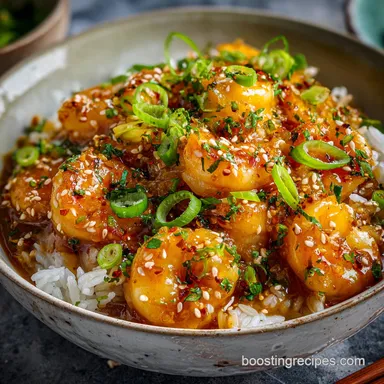
Hibachi Ginger Dressing: Zesty and Tangy
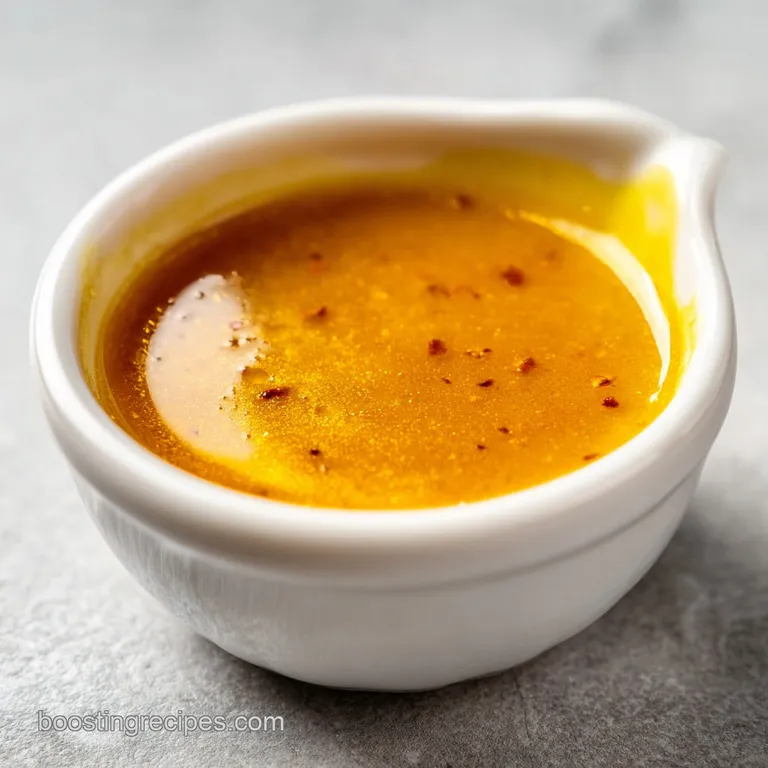
- Time:10 minutes prep + 2 hours chilling = 130 minutes total
- Flavor/Texture Hook: Zesty, tangy, and slightly pulpy
- Perfect for: Recreating the Japanese steakhouse experience at home
- Mastering This Vibrant Hibachi Ginger Dressing Recipe
- The Mechanics of Flavor Balance
- Component Analysis and Pro Secrets
- Essential Components for Bold Flavor
- Necessary Tools for Smooth Blending
- Step by Step Mixing Guide
- Fixing Common Texture and Flavor Issues
- Adjusting Ingredients for Special Diets
- Handling Leftovers and Food Waste
- Optimal Scaling Techniques
- Common Culinary Misconceptions
- Best Pairings for This Dressing
- Recipe FAQs
- 📝 Recipe Card
Mastering This Vibrant Hibachi Ginger Dressing Recipe
Walking into a teppanyaki restaurant, the first thing that hits you isn't the steak or the shrimp. It's that specific, intoxicating cloud of steam, garlic, and toasted soy sauce rising from the flat top grill. But before the first onion volcano ever erupts, you get that small wooden bowl of cold, crisp lettuce.
The dressing on top is always chilled to perfection, glowing orange, and tastes like a wake up call for your palate. I remember sitting at a heavy wooden table years ago, trying to figure out why my home versions always tasted like "ginger juice" while this one had body and soul.
The secret to that specific Japanese steakhouse flavor isn't actually a mountain of carrots, which is a mistake I made for a long time. It’s actually the combination of fresh celery and tomato paste that gives it that signature color and weight.
We're talking about a sauce that needs to be refreshing enough to cut through the richness of fried rice and buttery steak, but punchy enough to stand on its own. This version brings that exact high energy zing right to your kitchen.
We are going for a texture that is velvety but still has a fine, rustic pulp. It shouldn't be a thin liquid that pools at the bottom of the bowl. Instead, you want it to coat every leaf of lettuce with a bright, acidic spark.
If you've ever wondered why your homemade salads feel a bit flat compared to the restaurant ones, it usually comes down to the balance of the aromatics. Let’s get into how we make this happen without any fuss.
The Mechanics of Flavor Balance
Enzymatic Mellowing: Raw onion contains sulfur compounds that can be harsh, but the two hour rest allows the vinegar to "cook" the onion bits, softening their bite into a sweet, savory depth.
Emulsion Stability: The tomato paste acts as a natural stabilizer, helping the neutral oil and rice vinegar stay joined together while providing a velvety mouthfeel.
Aromatic Synergism: Combining ginger and garlic creates a complex heat that hits different parts of the tongue, while the celery adds an earthy, salty undertone that anchors the brighter citrus notes.
Acidity Layering: Using both rice vinegar and fresh lemon juice provides two different types of tartness, ensuring the dressing stays bright and refreshing rather than just sour.
| Method | Texture | Time | Best For |
|---|---|---|---|
| High Speed Blender | Completely smooth, creamy | 2 mins | Modern fusion salads |
| Food Processor | Slightly pulpy, rustic | 4 mins | Authentic steakhouse style |
| Hand Grating | Very chunky, intense | 15 mins | Marinades and dipping |
The choice of equipment really dictates the final vibe of your salad. Most of us prefer the food processor route because those tiny bits of onion and ginger are exactly what you find in those little bowls at the mall or your favorite local spot. It gives the dressing some "grip" on the vegetables.
Component Analysis and Pro Secrets
| Ingredient | Science Role | Pro Secret |
|---|---|---|
| Fresh Ginger | Provides heat and zest | Use a spoon to peel it; you'll save more of the spicy flesh |
| Yellow Onion | Adds bulk and sweetness | Don't use red onion here; it's too sharp and ruins the color |
| Tomato Paste | Color and umami boost | Sauté the paste for 30 seconds if you want a deeper, less metallic flavor |
| Neutral Oil | Carries flavor and fat | Grapeseed or canola works best; olive oil is too heavy and flavorful |
A quick note on the onion: the yellow variety is king here. It has a higher sugar content than white onions, which helps balance the acidity once it has had time to sit in the fridge.
Essential Components for Bold Flavor
- 1/2 cup yellow onion, roughly chopped: Why this? Provides the foundational body and a sweet, savory base. (Substitute: Sweet Vidalia onion)
- 1/2 cup neutral oil: Why this? Acts as the fat carrier without competing with the aromatics. (Substitute: Grapeseed or Avocado oil)
- 1/3 cup rice vinegar: Why this? A milder acid that doesn't overpower the ginger. (Substitute: Apple cider vinegar)
- 2 tbsp fresh ginger, peeled and sliced: Why this? The star of the show, providing spicy, aromatic heat. (Substitute: 1 tsp ground ginger, but it won't be as fresh)
- 2 tbsp celery, roughly chopped: Why this? The secret ingredient for that authentic, earthy restaurant flavor. (Substitute: A pinch of celery seed)
- 2 tbsp tomato paste: Why this? Gives the dressing its iconic orange color and umami richness. (Substitute: 2 tbsp thick tomato sauce)
- 1 tbsp soy sauce: Why this? Adds salt and deep savory notes. (Substitute: Tamari for gluten-free)
- 1 tbsp honey: Why this? Balances the sharp bite of the raw ginger and onion. (Substitute: Agave or maple syrup)
- 1/2 tsp garlic, roughly 1 small clove: Why this? Adds a sharp, pungent kick to the background. (Substitute: 1/4 tsp garlic powder)
- 1/4 tsp kosher salt: Why this? Enhances all the other individual flavors. (Substitute: Sea salt)
- 1/4 tsp black pepper: Why this? Adds a subtle, woody heat. (Substitute: White pepper for a cleaner look)
- 1 tbsp lemon juice: Why this? Adds a final layer of bright, citrusy acidity. (Substitute: Lime juice)
Necessary Tools for Smooth Blending
Right then, let's talk about the gear. You don't need a professional kitchen, but a high speed blender or a decent food processor is non negotiable. If you try to do this by hand with a whisk and a knife, you'll end up with a chunky mess that just doesn't feel right.
I personally use my food processor because I like that slightly rustic, pulpy texture that mimics the restaurants.
If you are using a blender, be careful not to over process it into a foam. We want a dressing, not a smoothie! You'll also want a good vegetable peeler or just a simple metal spoon for that ginger. Honestly, a spoon is faster and safer for getting around those weird little knobs on the ginger root.
Finally, grab a glass jar for the fridge. Plastic tends to absorb the onion smell, and you don't want your Tupperware smelling like a steakhouse forever.
Step by step Mixing Guide
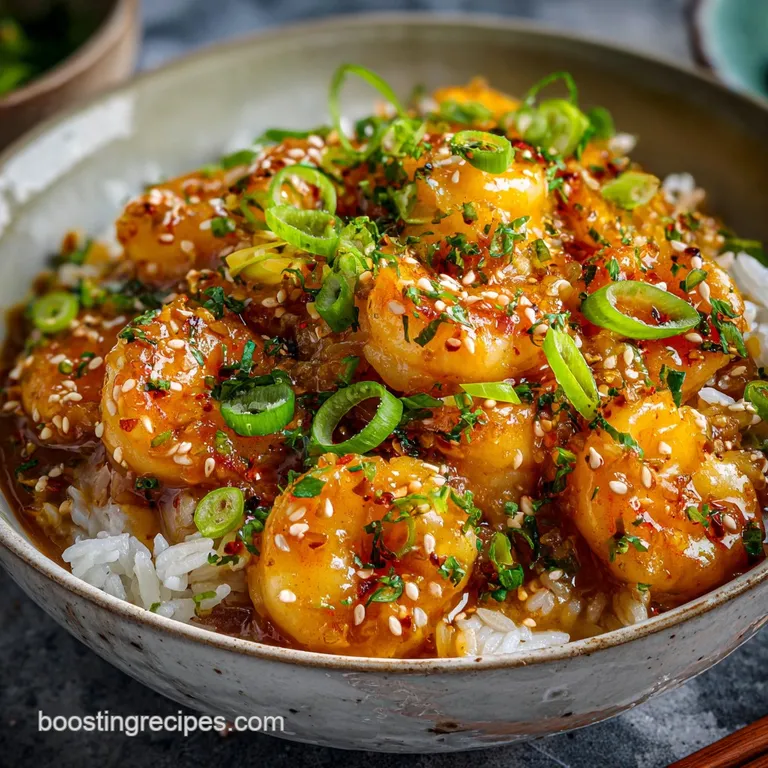
- Peel the fresh ginger using the edge of a spoon and roughly chop the onion, celery, and ginger into chunks. Note: Small chunks help the blender catch everything evenly.
- Place the 1/2 cup chopped onion, 2 tbsp ginger, and 2 tbsp celery into the base of your blender or food processor.
- Add the 1/2 cup neutral oil, 1/3 cup rice vinegar, and 2 tbsp tomato paste to the container.
- Pour in the 1 tbsp soy sauce, 1 tbsp honey, and 1 tbsp lemon juice.
- Add the 1/2 tsp garlic, 1/4 tsp salt, and 1/4 tsp pepper.
- Pulse the mixture 5 to 6 times until the large vegetable chunks are broken down.
- Blend on medium speed for 30 seconds until the mixture looks orange and slightly thickened.
- Check the consistency; it should be velvety yet have a very fine pulp.
- Transfer the dressing to an airtight glass jar.
- Refrigerate for at least 2 hours until the flavors are mellow and the dressing is cold.
Fixing Common Texture and Flavor Issues
Fixing a Bitter Aftertaste
Sometimes the celery or the pith of the ginger can leave a slightly bitter note on the back of your tongue. This is usually because the aromatics were particularly strong or the onion was a bit too old. Don't panic. A tiny extra pinch of salt or another teaspoon of honey can usually neutralize this.
The salt suppresses bitterness, while the honey rounds out the sharp edges.
Adjusting the Consistency
If your dressing feels too thick, like a paste, it's likely the tomato paste or the size of your onion was a bit large. You can thin it out by adding one tablespoon of water at a time while pulsing. If it’s too thin, you can add another tablespoon of celery or onion to give it more "stuff" to hold onto.
Remember, it will thicken slightly as it chills in the fridge, so don't over adjust while it's still room temperature.
| Problem | Root Cause | Solution |
|---|---|---|
| Separation | Improper emulsification | Pulse again for 10 seconds or add 1/2 tsp mustard |
| Too Sharp | Raw onion bite | Let it rest in the fridge for an extra 2 hours |
| Too Pale | Not enough tomato paste | Add 1 tsp of paste and pulse briefly |
Common Mistakes Checklist
- ✓ Using olive oil instead of neutral oil (the flavor will be way too heavy)
- ✓ Skipping the celery (you'll lose that specific "steakhouse" earthy finish)
- ✓ Serving immediately (the raw onion will be overwhelmingly pungent)
- ✓ Over blending into a liquid (keep that slight bit of texture for authenticity)
- ✓ Using old, shriveled ginger (fresh ginger provides the necessary moisture and zing)
Adjusting Ingredients for Special Diets
If you're cooking for a crowd, you might need to tweak things. For a gluten-free version, the only thing you need to swap is the soy sauce for tamari or liquid aminos. It tastes identical in this context.
If you want a keto friendly version, replace the honey with a liquid monk fruit sweetener or just omit it entirely, though the honey really helps balance the acidity.
Making It Vegan
This recipe is already almost vegan! Just ensure your honey is substituted with agave nectar or a simple sugar syrup. The oil and aromatics provide all the richness you need without any dairy or animal products. It’s a great versatile option for a dinner party where people have varied needs.
| Original Ingredient | Substitute | Why It Works |
|---|---|---|
| Honey (1 tbsp) | Agave Nectar (1 tbsp) | Similar sweetness level. Note: Agave is thinner, so add slowly. |
| Soy Sauce (1 tbsp) | Tamari (1 tbsp) | Provides the same salt/umami. Note: Keeps the recipe gluten-free. |
| Yellow Onion (1/2 cup) | Shallots (1/2 cup) | Milder flavor. Note: Will be less "punchy" than the original. |
Handling Leftovers and Food Waste
Storage: Keep this dressing in an airtight glass jar in the refrigerator for up to 5 days. You might see some separation as it sits, which is totally normal since we aren't using heavy chemical stabilizers. Just give the jar a vigorous shake before pouring, and it will come right back together.
I don't recommend freezing this dressing; the cellular structure of the raw onion and celery breaks down when frozen, leaving you with a watery, grainy mess once thawed.
Zero Waste: Don't throw away those celery leaves! If your celery stalk came with the leafy top, mince those up and toss them into the blender too, they have an even more concentrated celery flavor.
If you have leftover ginger, peel it all and store it in a small jar of vodka or sherry in the fridge; it will stay fresh for months. Also, that last tablespoon of tomato paste in the can? Freeze it in an ice cube tray for the next time you make this batch.
Optimal Scaling Techniques
- To Double (16 servings): You can safely double all ingredients. However, be careful with the garlic, use only one large clove (about 3/4 tsp) instead of doubling it fully to prevent it from becoming too spicy.
- To Halve (4 servings): All ingredients divide easily. Since 1/2 a small garlic clove is hard to measure, just use a tiny pinch of garlic powder instead.
- For Large Batches: If you're making this for a party, blend in two separate batches to ensure the motor of your food processor doesn't overheat and "cook" the raw aromatics.
Common Culinary Misconceptions
One major myth is that this dressing gets its color from carrots. While some variations do use them, the classic "Benihana" style relies on tomato paste and the natural orange yellow hue of the ginger and oil.
Adding carrots often makes the dressing too thick and sweet, moving it away from that refreshing ginger bite we want.
Another myth is that you can use ginger paste from a tube. While it's convenient, that paste often contains citric acid and salt that can throw off the balance of our recipe. Fresh ginger has a floral, spicy heat that just cannot be replicated by the processed stuff.
If you want that restaurant flavor, you have to use the real root.
Best Pairings for This Dressing
The most classic way to serve this is over a simple bowl of iceberg lettuce, shredded red cabbage, and a few rings of carrot. The water content in iceberg lettuce is actually a benefit here, as it dilutes the intensity of the dressing just enough as you eat.
It’s also fantastic as a cold dip for cucumber slices or blanched broccoli.
Beyond the salad bowl, try using this as a marinade for white fish or chicken breast. The acidity in the vinegar and lemon juice helps tenderize the meat, while the honey and onion create a beautiful caramelization if you sear the protein in a hot pan.
It’s a versatile staple that honestly deserves a permanent spot in your fridge door. Trust me, once you taste how much better the fresh version is, those bottled grocery store ginger dressings will never look the same again.
Recipe FAQs
What is in the ginger dressing at hibachi?
It is a blend of fresh aromatics, acidic, and savory components. The dressing combines yellow onion, neutral oil, rice vinegar, fresh ginger, celery, tomato paste, soy sauce, honey, garlic, salt, pepper, and lemon juice.
What is in Japanese ginger dressing?
The authentic base relies on specific vegetables and seasonings. You need yellow onion, celery, and fresh ginger, balanced by rice vinegar, soy sauce, tomato paste, honey, lemon juice, and a neutral oil.
What kind of salad dressing do they use at hibachi restaurants?
They serve a signature ginger-carrot or ginger-onion dressing. This version uses fresh ginger, onion, celery, and tomato paste to create that classic, tangy, and slightly earthy flavor profile you find at teppanyaki steakhouses.
What are the two sauces at hibachi?
Hibachi meals typically pair a ginger dressing with a creamy white shrimp sauce. While the ginger dressing is a vegetable-based salad topping, the other is a distinct, creamy sauce often served alongside proteins.
How to ensure the dressing has the right consistency?
Pulse the ingredients in a high-speed blender instead of running it continuously. This technique keeps the dressing velvety while maintaining a slightly rustic, authentic texture with a fine pulp.
How to improve the flavor if it tastes too sharp?
Refrigerate the mixture for at least 2 hours before serving. This mandatory resting time allows the raw onion and ginger flavors to mellow and meld, removing the harsh bite of fresh ingredients.
Is it true I can use any cooking oil for this dressing?
No, this is a common misconception. You must use a neutral oil; using oils like olive oil will make the flavor profile far too heavy and ruin the delicate balance of the ginger and vinegar.
Hibachi Ginger Dressing for 8 Servings: Zesty and Tangy