Whisking together a fresh dressing at home takes less time than a trip to the store and results in much better flavor. Whether you're tossing a simple green salad or looking for a vibrant accompaniment for grilled proteins, these recipes provide a clean alternative to bottled options.
This collection covers everything from tangy vinaigrettes to rich emulsions that work across various cuisines. Using common pantry staples, you can create restaurant-quality results that allow you to control the salt, sugar, and oil quality in every bite.
Easy Herb and Vinegar-Based Recipes
These recipes focus on fresh herbs and acidic bases to cut through rich fats or brighten leafy greens. They rely on quality oils and vinegars rather than heavy emulsifiers to provide a clean, sharp finish to any plate.
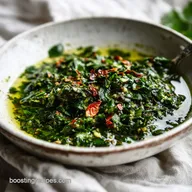
This herb-infused chimichurri sauce recipe brings a vibrant, garlicky punch to steak or hearty grain salads. It relies on fresh parsley and oregano for a bright, vinegar-forward finish.
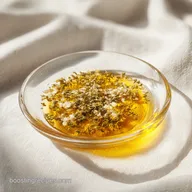
Using simple pantry staples, this tangy Mediterranean flavor highlights dried oregano and lemon. It works beautifully on traditional Greek salads or as a quick marinade for grilled chicken.
Bold, savory profiles define these selections, ranging from a steakhouse staple to a thick Japanese condiment. They offer a more substantial texture that clings well to crunchy vegetables like cabbage or romaine.
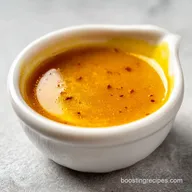
Bring the steakhouse home with this zesty hibachi ginger dressing. It combines fresh ginger and celery for that signature punch that pairs perfectly with crisp iceberg lettuce and carrots.
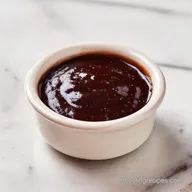
While traditionally used for breaded cutlets, this savory condiment works as a thick dressing for shredded cabbage. It offers a deep, umami-rich profile that balances fried foods effectively.
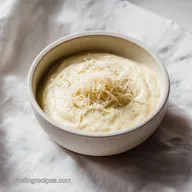
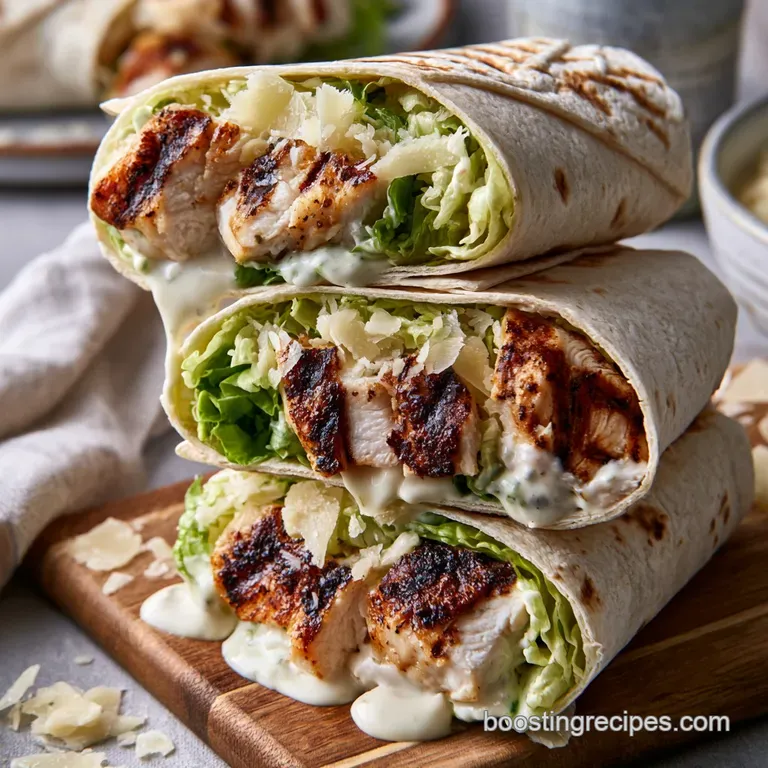
Skip the bottled version for this creamy texture and smooth, garlic-forward finish. It provides the classic richness needed to coat sturdy romaine leaves without requiring any complex kitchen equipment.
How long do homemade salad dressings last in the fridge?
Generally, oil and vinegar-based dressings last up to two weeks, while those containing fresh dairy or eggs should be used within three to five days.
Can I use dried herbs instead of fresh in these recipes?
Yes, you can typically substitute dried herbs for fresh using a ratio of one teaspoon of dried herbs for every tablespoon of fresh.
Why did my olive oil dressing turn solid in the refrigerator?
High-quality extra virgin olive oil contains natural waxes that solidify at cold temperatures; simply let the dressing sit out for a few minutes or run the jar under warm water.
What is the best way to keep a dressing from separating?
Using an emulsifier like mustard, honey, or egg yolk helps bind the oil and vinegar together for a more stable consistency.
Can these dressings be used as marinades?
Most vinaigrettes and herb-based dressings work exceptionally well as marinades for chicken, steak, or vegetables due to their acidic content.