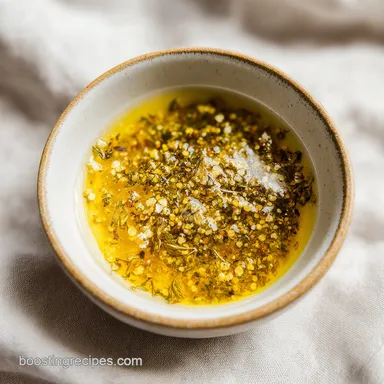
Zesty Greek Salad Dressing Recipe: Tangy and Herbaceous

- Time: 5 min active + 5 min resting = Total 10 mins
- Flavor/Texture Hook: Tangy, herbaceous, and opaque gold
- Perfect for: Weeknight meal prep or a fresh summer potluck
- Zesty Greek Salad Dressing Recipe
- Getting the Balance Just Right
- Picking the Best Fresh Ingredients
- Shopping List Breakdown
- The Only Tools You Need
- Step by Step Mixing Guide
- Troubleshooting Your Dressing Mistakes
- Flavor Variations and Substitutes
- Truths About Vinaigrettes
- Storage and Zero Waste Tips
- Serving Suggestions and Pairings
- Recipe FAQs
- 📝 Recipe Card
Zesty Greek Salad Dressing Recipe
The smell of dried oregano hitting fresh lemon juice always takes me back to a tiny taverna I stumbled upon in Naxos. I remember the owner, a man with skin like weathered leather, who told me that a real Greek salad isn't about the vegetables, it's about the dressing.
He didn't use a whisk or a fancy blender, just a jar and a lot of elbow grease. The air was thick with the scent of salt spray and wild herbs, and that first bite of a salad drenched in this sharp, golden vinaigrette was a total wake up call for my taste buds.
For a long time, I tried to make this too "refined" by filtering the garlic or using mild oils. I was completely wrong. The beauty of this dressing is its boldness, the way it cuts through the creamy saltiness of a slab of feta. Here is the ultimate Zesty Greek Salad Dressing Recipe for Mediterranean Salad. It's designed to be punchy, bright, and just a little bit aggressive, exactly how it should be.
You can expect a dressing that doesn't just sit on top of the lettuce but actually clings to every curve of a cucumber slice. We're going for a texture that's silky but holds its own.
Whether you're making a traditional Horiatiki or just want to brighten up some roasted chickpeas, this is the only version you'll ever need.
Getting the Balance Just Right
When you're putting together a Zesty Greek Salad Dressing Recipe for Mediterranean Salad, you're essentially managing a battle between fat and acid. If there's too much oil, the salad feels greasy and heavy. Too much vinegar, and you've basically made a pickle.
The magic happens when the red wine vinegar and lemon juice hit that sweet spot where they brighten the vegetables without drowning them.
I've found that the order of operations is everything. Most people just throw everything in a bowl and hope for the best. But if you let the garlic steep in the vinegar and lemon juice first, the acid actually "cooks" the garlic slightly.
This removes that harsh, raw sulfur smell and turns it into a mellow, savory background note that doesn't dominate the whole dish.
But what about the herbs? Dried oregano is the soul of this recipe. Some people insist on fresh, but in my experience, the dried stuff has a concentrated, earthy punch that fresh leaves just can't match in a vinaigrette. The key is the resting period.
Dried herbs are like little sponges, and they need a few minutes to soak up the oil and acid to release their essential oils.
- The Acid Oil Bond
- Vinegar and oil naturally repel each other, but shaking them violently creates a temporary emulsion.
- Herb Rehydration
- Dried oregano requires a few minutes of soaking to soften and release its aromatic compounds.
- Acidic Mellowing
- Steeping garlic in lemon juice and vinegar breaks down the allicin, reducing the raw "bite".
| Method | Time | Texture | Best For |
|---|---|---|---|
| Mason Jar | 1 min | Thick/Creamy | Fast prep & easy storage |
| Mixing Bowl | 3 mins | Lighter/Fluid | Large batches for parties |
| Blender | 30 sec | Very Stable | Those who hate garlic chunks |
Picking the Best Fresh Ingredients
The quality of your oil is non negotiable here. You want a high-quality extra virgin olive oil (EVOO) that has a bit of a peppery finish. If you use a "light" olive oil or a vegetable blend, you're losing the heart of the dish.
The EVOO provides the velvety mouthfeel and those healthy fats that carry the flavor of the oregano.
For the acid, red wine vinegar is the standard for a reason. It has a deeper, fruitier tang than white vinegar and a more complex profile than apple cider vinegar. Pairing it with fresh lemon juice adds a high frequency citrus note that makes the whole Zesty Greek Salad Dressing Recipe feel fresh and alive.
The garlic should be fresh, not the pre minced stuff from a jar. Jarred garlic often tastes metallic or overly acidic because of the preservatives. Taking ten seconds to mince a fresh clove makes a world of difference in the final aromatic profile.
Component Analysis
| Ingredient | Science Role | Pro Secret |
|---|---|---|
| EVOO | Flavor Carrier | Use cold pressed for a peppery kick |
| Red Wine Vinegar | Primary Acid | Look for organic, unfiltered versions |
| Dried Oregano | Aromatic Base | Rub it between your palms before adding |
Shopping List Breakdown
When you're hitting the store, don't just grab the first bottle you see. For the oil, check the harvest date if it's available. The fresher the oil, the more vibrant the flavor. For the lemon, pick one that feels heavy for its size, which means it's full of juice.
Here is what you'll need for this Greek Salad Dressing Recipe for Mediterranean Salad. I've included a few swaps if you're missing something in the pantry.
- ½ cup extra virgin olive oil Why this? Essential for that classic Mediterranean richness
- 3 tbsp red wine vinegar Why this? Provides the deep, tangy backbone
- 1 tbsp fresh lemon juice Why this? Adds a bright, citrusy lift
- 1 clove garlic, minced finely Why this? Adds a savory, pungent depth
- 1 tsp dried oregano Why this? The signature herb of Greek cuisine
- ½ tsp kosher salt Why this? Enhances all other flavors
- ¼ tsp black pepper Why this? Adds a subtle, woody heat
| Original Ingredient | Substitute | Why It Works |
|---|---|---|
| Red Wine Vinegar | Apple Cider Vinegar | Similar acidity. Note: Adds a slightly sweeter, fruitier tone |
| EVOO | Avocado Oil | Neutral fat. Note: Loses the peppery flavor but stays creamy |
| Dried Oregano | Dried Basil | Similar herb profile. Note: Sweeter and less "earthy" |
Right then, before we get to the mixing, make sure you have your tools ready. You don't need a fancy kitchen setup for this, which is why I love it. It's a "no fuss" kind of recipe.
The Only Tools You Need
If you want the easiest experience, grab a glass mason jar with a tight fitting lid. This is the gold standard for home cooks because it doubles as your mixing bowl and your storage container. Plus, shaking a jar is way more satisfying than whisking.
If you don't have a jar, a small stainless steel or glass mixing bowl and a whisk will do the trick. Just be careful with plastic bowls, as the red wine vinegar and oil can sometimes leave a lingering scent if the plastic is porous.
Finally, a microplane or a very sharp chef's knife is essential for the garlic. You want the garlic to be minced so finely that it almost becomes a paste. This ensures you don't end up with a giant, raw chunk of garlic in one person's salad.
Step by step Mixing Guide
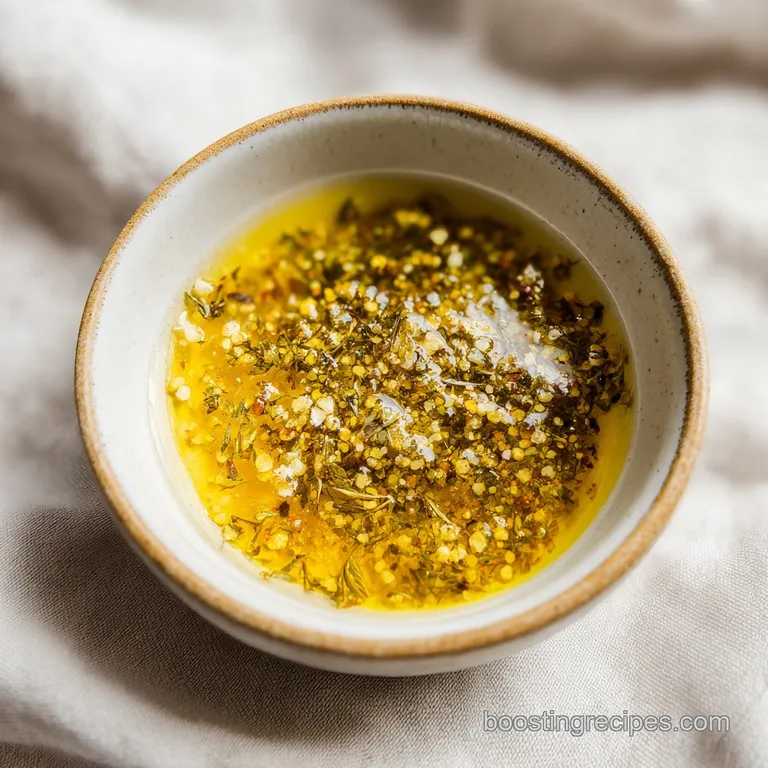
Now, let's crack on with the actual process. Follow these steps exactly to get that opaque gold consistency.
- Combine the red wine vinegar, fresh lemon juice, minced garlic, salt, and pepper in a glass mason jar or small mixing bowl. Note: Mixing the acids first lets the garlic infuse
- Whisk the mixture for 30 seconds until the salt has completely dissolved and the garlic is well suspended.
- Slowly pour in the extra virgin olive oil. If using a jar, seal the lid tightly and shake violently for 30 60 seconds; if using a bowl, whisk in a steady stream until the dressing reaches a thickened, opaque gold consistency.
- Stir in the dried oregano. Note: Adding herbs at the end prevents them from clumping during the shake
- Let the dressing sit for at least 5 minutes at room temperature until the oregano looks plump and hydrated.
Chef's Tip: If you want a more intense garlic flavor, grate the garlic directly into the vinegar using a microplane. It creates a smoother emulsion and distributes the flavor more evenly.
If you're planning a bigger meal, this pairs beautifully with a protein. While this is a Salad Dressing Recipe for Mediterranean Salad, it also works as a marinade. I often use it on chicken skewers before grilling. For a different flavor profile entirely, you might like my Asian Chicken Wraps if you're craving something with a peanut twist.
Troubleshooting Your Dressing Mistakes
Even a simple recipe can go sideways. Usually, the biggest issue is separation. Remember, this is a temporary emulsion. It's not like a mayonnaise that stays thick forever. It's normal for some oil to settle at the top after an hour in the fridge.
| Issue | Solution |
|---|---|
| Why Your Dressing Separated | This is the most common "fail." Oil and vinegar are naturally enemies. If you didn't shake it long enough or if the temperature dropped significantly, they'll split. This isn't a disaster; it's just p |
| Why Your Dressing Tastes Bitter | This usually happens if your olive oil is too old or if you burned the garlic (though we're using it raw here). Sometimes, a very high polyphenol EVOO can be naturally bitter. Balancing it with a pinc |
| Why Your Dressing Is Too Sharp | If the vinegar is overpowering, you've likely over measured the acid. You can balance this by adding one more tablespoon of olive oil or a tiny pinch of sugar or honey to mute the acidity. |
Common Mistakes Checklist
- ✓ Did you mince the garlic finely? (Chunks = bitter bites)
- ✓ Did you let the oregano rest for 5 mins? (Dry herbs = grainy texture)
- ✓ Did you use a glass jar? (Plastic can absorb odors)
- ✓ Did you shake it until it turned opaque gold? (Clear = not emulsified)
Flavor Variations and Substitutes
Once you've nailed the basic Recipe for Mediterranean Salad, you can start playing with the profile. If you want a Creamy Greek Salad Dressing, whisk in a tablespoon of Greek yogurt or a teaspoon of Dijon mustard. The mustard acts as a stabilizer, keeping the oil and vinegar together for much longer.
For those who want a spicy kick, add a pinch of red pepper flakes or a dash of Aleppo pepper. This adds a warm, smoky undertone that complements the oregano. If you're going for a vegan friendly version, this recipe is already naturally vegan, provided your salt and pepper are pure.
If you're looking for other fresh ways to use your produce, my Summer Delight Chicken Salad is another great option that uses similar fresh, bright notes.
Decision Shortcut
- If you want it creamier → Add 1 tsp Dijon mustard.
- If you want it zingier → Add 1 tsp extra lemon juice.
- If you want it earthier → Add ½ tsp dried thyme.
| Original Ingredient | Substitute | Why It Works |
|---|---|---|
| Kosher Salt | Sea Salt | Similar salinity. Note: Use slightly less as sea salt can be saltier |
| Black Pepper | White Pepper | Similar heat. Note: Milder flavor, cleaner look |
| Red Wine Vinegar | Lemon Juice (Double) | High acidity. Note: Makes it much brighter, less "vinous" |
Since we're talking about modifications, let's address a few things people often get wrong about vinaigrettes.
Truths About Vinaigrettes
Some people think you need a chemical emulsifier like lecithin or a blender to make a "real" dressing. That's just not true. A vigorous shake in a mason jar creates a mechanical emulsion that is plenty stable for a dinner party. The texture is actually lighter and more authentic.
Another common myth is that fresh oregano is always superior to dried. In many Mediterranean recipes, dried oregano is preferred because it has a more concentrated, pungent flavor that doesn't get lost in the oil. Fresh oregano can sometimes be too sweet or "grassy" for this specific profile.
Storage and Zero Waste Tips
To keep your Greek Salad Dressing fresh, store it in an airtight container, like a mason jar, in the fridge. It will last for about 7 to 10 days. According to tips found here, keeping the dressing in a jar allows you to just shake it and serve it directly from the fridge.
When you take it out of the fridge, the olive oil might have solidified a bit this is normal. Just let it sit at room temperature for 10 minutes or run the jar under warm water for a few seconds, then shake it back to life.
For zero waste, don't toss your lemon rinds! You can freeze them to use in cocktails or zest them into a sugar rub for roasted carrots. If you have a bit of dressing left at the bottom of the jar, don't throw it away.
Toss in some cherry tomatoes and a few cubes of feta, let them marinate for an hour, and you have a quick appetizer.
Serving Suggestions and Pairings
The absolute best way to use this is in a classic Horiatiki. Forget the lettuce. Use chunky cucumbers, vine ripened tomatoes, sliced red onions, kalamata olives, and a thick slice of feta cheese on top.
Pour the dressing over everything and let it sit for 10 minutes before eating so the vegetables can release their own juices, which mix with the dressing to create a delicious "salad soup" at the bottom of the bowl.
This also works as a fantastic marinade for grilled shrimp or halibut. The acidity of the lemon and vinegar tenderizes the seafood, while the oregano adds a rustic, charred flavor when it hits the grill.
If you're feeling adventurous, try using this as a dip for warm pita bread. Just thicken it slightly by adding a bit more minced garlic and a pinch of sumac. It's a brilliant way to use up the last bit of your batch.
Trust me on this the leftovers are often better than the first batch because the flavors have had time to truly meld.
Recipe FAQs
What kind of dressing goes on a Mediterranean salad?
A vinaigrette based on olive oil and acid. This specific Greek version uses red wine vinegar and fresh lemon juice to create a bright, tangy profile that cuts through the richness of feta and olives.
What is the secret to a great Greek salad dressing?
The emulsion and resting time. Shake the ingredients until they reach an opaque gold consistency and let the dressing sit for 5 minutes so the oregano can rehydrate. If you nailed the stable emulsion here, use the same whisking method in our dairy free chicken salad.
Is Greek salad good for diabetics?
Yes, generally. This dressing relies on heart healthy extra virgin olive oil and contains no added sugars, making it a low-glycemic choice.
What is the difference between Mediterranean and Greek salad?
Regional ingredients and specific flavor profiles. While both use olive oil and fresh vegetables, a Greek salad specifically requires feta, kalamata olives, and a red wine vinegar based dressing.
Can I add sugar or honey to this dressing?
No, keep it savory. Traditional Greek dressings rely on the acidity of lemon and vinegar to balance the salt and oregano without the need for sweetness.
What's the best vinegar for Greek dressing?
Red wine vinegar. It provides the bold, punchy acidity essential for an authentic Greek taste.
Can I double or triple the recipe?
Yes, it scales perfectly. Simply multiply all ingredients and maintain the same shaking or whisking process to ensure the oil and acids emulsify correctly.
Zesty Greek Salad Dressing