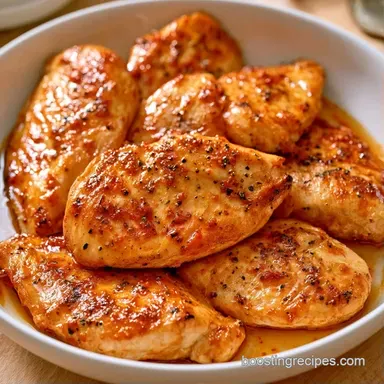
Oven Baked Chicken Breast in 25 Minutes
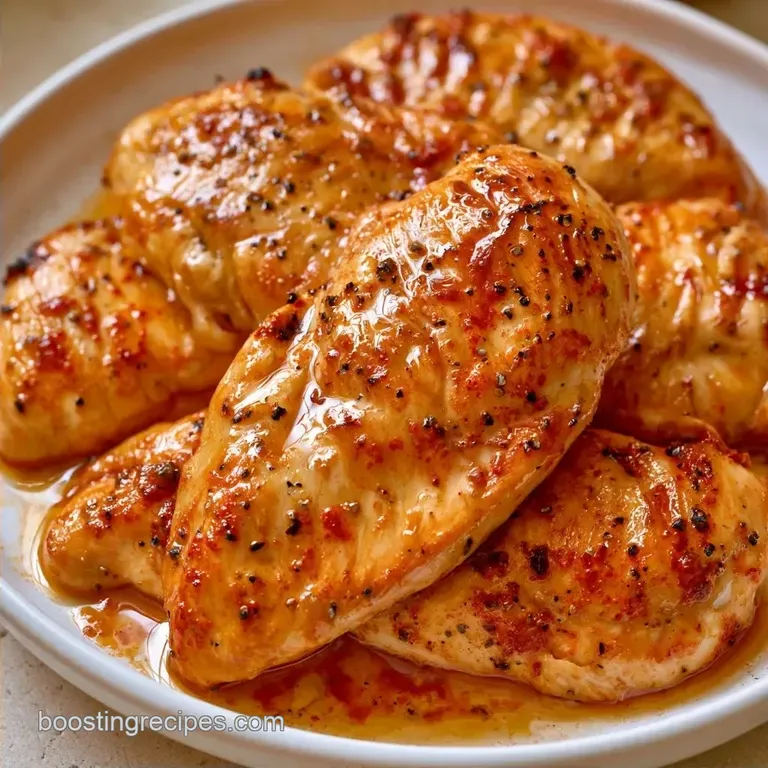
- Time: 5 min active + 20 min cook
- Flavor/Texture Hook: Smoky, savory crust with a tender center
- Perfect for: High protein meal prep or a 30 minute weeknight dinner
The Trick Behind the Texture
- High Heat: Cooking at 400°F (200°C) browns the outside fast. This means the inside doesn't spend too long in the heat, so it stays moist.
- Even Thickness: Pounding the meat ensures the thin end doesn't overcook while the thick center stays raw.
- The Rest: Letting the meat sit for 10 minutes lets the juices move back into the fibers instead of leaking onto the plate.
The high heat creates a quick exterior crust. This keeps the lean proteins from tightening up too much and squeezing out the moisture.
| Fresh Chicken | Pre Marinated/Shortcut | Impact |
|---|---|---|
| Full control over salt | Often too salty | Healthier, tailored flavor |
| Variable thickness | Usually uniform | Fresh needs pounding |
| Natural flavor | Processed additives | Cleaner taste |
What You'll Need
This rub is highly concentrated, meaning a thick sauce isn't necessary since the spices develop their own intense flavor layer.
- 4 boneless, skinless chicken breasts (approx. 6 oz / 170g each) Why this? Promotes uniform cooking.
- 1 tbsp olive oil Why this? Helps the rub adhere and transfers heat.
- 1 tsp sea salt Why this? Draws out moisture for a superior crust.
- ½ tsp cracked black pepper Why this? Offers a bold, earthy warmth.
- 1 tsp garlic powder Why this? Creates a robust, savory foundation.
- 1 tsp smoked paprika Why this? Produces a dark mahogany tint and smoky taste.
- ½ tsp onion powder Why this? Balances the savory elements.
| Original Ingredient | Substitute | Why It Works |
|---|---|---|
| Olive Oil | Avocado Oil | High smoke point. Note: Neutral taste |
| Smoked Paprika | Sweet Paprika | Similar coloration. Note: Milder, less smoke |
| Sea Salt | Kosher Salt | Similar saltiness. Note: Larger grains |
The Right Tools
A basic setup works fine, though a few specific tools are helpful. A meat mallet is especially useful here. Alternatively, a rolling pin or the base of a sturdy skillet will do the trick.
A rimmed baking sheet is essential to prevent oil and juices from leaking onto the oven floor. I recommend using parchment paper to stop the chicken from sticking and to make cleaning up much easier. Finally, an instant read thermometer is the best way to guarantee the meat is cooked through without overdoing it.
Bringing the Meal Together
Phase 1: Preparing the Protein
- Preheat your oven to 400°F (200°C) and line a large rimmed baking sheet with parchment paper.
- Place the chicken breasts between two sheets of plastic wrap. Lightly pound the thickest part with a meat mallet until they are an even thickness. Note: This stops the edges from drying out.
- Pat the chicken breasts completely dry with paper towels. Note: Wet meat steams instead of searing.
Phase 2: The over High heat Roast
- In a small mixing bowl, combine the sea salt, cracked black pepper, garlic powder, smoked paprika, and onion powder.
- Rub each boneless baked chicken breast with olive oil, then coat generously with the prepared seasoning blend on all sides.
- Place the chicken on the baking sheet.
- Roast for 18–22 minutes until the exterior is mahogany brown and the internal temperature hits 165°F (74°C).
Phase 3: The Essential Rest
- Transfer the chicken to a plate.
- Let the meat rest for 5–10 minutes before slicing. Note: This is where the juiciness happens.
Avoiding Kitchen Disasters
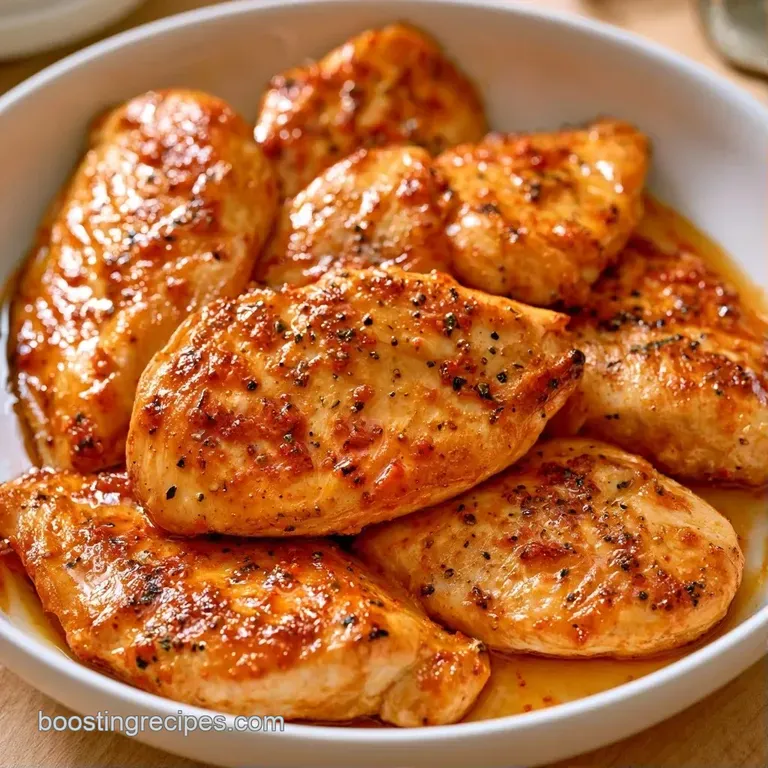
Fixing Dry Meat
This usually happens because the meat stayed in the oven too long. Even three extra minutes can ruin a lean breast. Pull the chicken at 160°F (71°C) and let the carry over heat bring it up to 165°F while it rests.
Handling Uneven Cooking
If the thin end is rubbery but the middle is raw, the pounding step was skipped. Ensure the breast is a uniform thickness from end to end. You can also tuck the thinner end under itself to create a more consistent shape.
Solving Bland Flavor
If the taste feels flat, you might not have used enough salt or the meat wasn't patted dry. Water on the surface creates a barrier between the oil and the meat, preventing the spices from sticking. Use more paper towels than you think you need.
| Goal | Change |
|---|---|
| For meal prep | Slice only after the full 10 minute rest |
| For a sweeter crust | Add 1/2 tsp brown sugar to the rub |
| For faster cooking | Pound to 3/4 inch thickness |
The Trick Behind the Texture
I've found that the biggest mistake people make is cooking too low and too slow. When you bake at 325°F or 350°F, the chicken spends a long time in the "danger zone" where moisture evaporates. By cranking the heat to 400°F, we shorten that window.
Serious Eats' testing confirms that over high heat roasting reduces the time the meat spends in the oven, which preserves the internal juices. It's a simple trade off: more heat for less time.
Keeping the Meat Fresh
Store any leftovers in a sealed glass container. They stay good in the fridge for 3 to 4 days. To keep them from drying out when reheating, add a splash of water or a teaspoon of butter to the pan and cover it with a lid.
For the freezer, wrap individual breasts in foil and place them in a freezer bag. They last about 3 months. Thaw them in the fridge overnight before reheating in the oven at 350°F for 10 minutes.
If you have leftover spice rub, store it in a small jar. It's great on roasted potatoes or cauliflower. To avoid waste, save any chicken trimmings or bones in a freezer bag to make a quick stock later.
Creative Twists and Swaps
Once you have the base Oven Baked Chicken Breast down, you can change the flavor profile easily. For a "Lemon Herb" version, swap the paprika for dried oregano and squeeze fresh lemon over the meat right after it comes out of the oven.
If you want a "Pesto Crust", spread a tablespoon of basil pesto over the top of the seasoned chicken for the last 5 minutes of roasting. This adds a rich, herby layer. If you find yourself craving a different method for your weekly prep, my crockpot shredded chicken is a great alternative for tacos or salads.
For those who like a bit of a kick, add a pinch of cayenne pepper to the rub. If you're looking for a complete meal idea, this chicken works great inside Asian chicken wraps for a fast, fresh lunch.
Best Ways to Serve
This recipe is incredibly versatile. I enjoy pairing it with roasted carrots or a fresh green salad. Since the seasoning is bold and smoky, it balances perfectly with something acidic, such as a vinegar based slaw or pickled red onions.
For a heartier dinner, try serving the meat over a bed of wild rice or quinoa. The resting juices soak into the grains, adding a wonderful depth of flavor. For a lighter option, place thinly sliced breast over steamed spinach.
The secret to the best texture is slicing against the grain. Locate the lines in the meat and cut across them perpendicularly. This ensures every bite is tender and easy to chew, completing the Oven Baked Chicken Breast experience.
High in Sodium
1020 mg 1020 mg of sodium per serving (44% 44% of daily value)
The American Heart Association recommends a limit of 2,300mg of sodium per day for most adults to maintain heart health.
Tips to Reduce Sodium
-
Reduce Sea Salt-25%
Cut the sea salt in half or eliminate it entirely, as this is the primary source of sodium in the recipe.
-
Add Citrus Zest-15%
Squeeze fresh lemon or lime juice over the chicken after cooking to provide a bright acidity that mimics the taste of salt.
-
Boost Aromatics-10%
Increase the amount of garlic powder and onion powder to enhance the savory profile without adding extra salt.
-
Incorporate Fresh Herbs
Garnish with fresh parsley or cilantro to add a burst of fresh flavor and complexity to the dish.
Recipe FAQs
How long do chicken breasts take at 400°F?
Roast for 18 22 minutes. Check that the internal temperature reaches 165°F before removing them from the oven.
What prevents the meat from becoming dry?
Pound the breasts to an even thickness and let them rest for 10 minutes after cooking. This distributes juices and prevents overcooking the thinner ends.
Is it true that you must use butter for a golden crust?
Not at all. Olive oil acts as a great heat conductor, ensuring the dry rub adheres and browns properly. Since you've mastered this high heat method, try applying a similar technique to these crispy cakes.
Can baking at 350°F produce juicier results than 400°F?
Not true. A higher temperature sears the outside faster, locking in moisture so the center stays tender.
Oven Baked Chicken Breast