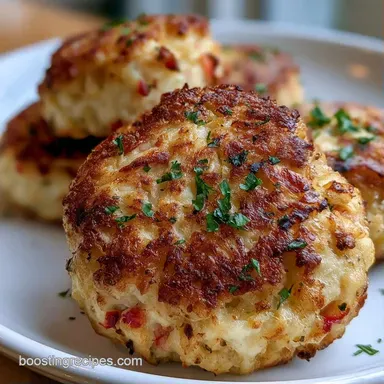
Crispy Simple Crab and Lobster Cakes
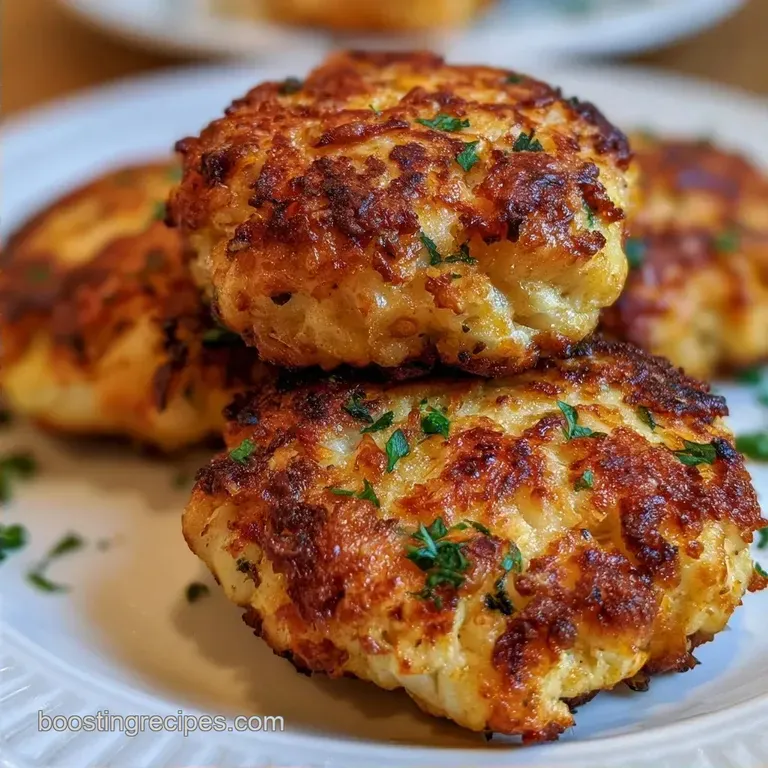
- Time:15 mins active + 10 mins chilling
- Flavor/Texture Hook: Crispy, deep brown crust with chunky, tender seafood inside
- Perfect for: High end appetizers or a fancy feeling weeknight dinner
- Basic Details for Simple Crab and Lobster Cakes
- Why These Cakes Stay Together
- What Each Ingredient Does
- The Ingredients You'll Need
- Minimal Tools for This Job
- Making Simple Crab and Lobster Cakes
- Fixing Common Seafood Cake Issues
- Adjusting the Batch Size
- Common Seafood Myths
- Storing and Reheating Your Cakes
- Different Ways to Mix It Up
- What to Serve on the Side
- Recipe FAQs
- 📝 Recipe Card
The smell of sizzling butter and Old Bay hitting a hot pan is enough to wake up the whole house. I remember the first time I tried making these for a small get together. I got impatient and skipped the chilling step, and the cakes basically melted into a seafood soup the second they hit the oil.
It was a mess, but it taught me that patience with the fridge is non negotiable.
Now, I keep things straightforward. You don't need a dozen pans or fancy techniques to get that restaurant style sear. This is about keeping the chunks of meat intact so every bite feels like a treat.
If you're looking for Simple Crab and Lobster Cakes that actually taste like the ocean and not a box of crackers, this is the one. We're focusing on minimal effort and maximum seafood flavor.
Basic Details for Simple Crab and Lobster Cakes
Since we're keeping tools to a minimum, the focus here is on the quality of the meat. If you're using frozen seafood, make sure it's completely thawed and patted dry with paper towels. Excess water is the enemy of a crispy crust.
I usually make these when I want something that feels like a celebration but doesn't require me to spend four hours in the kitchen. Whether you're pan frying them for a quick lunch or baking a big batch for guests, the result is the same: rich, buttery, and satisfying.
For those who prefer a different texture, you might want to check out Panko Crusted Lobster Crab Cakes for a crunchier exterior.
Why These Cakes Stay Together
Cold Resting: Chilling the shaped cakes for 10 minutes lets the binder hydrate and firm up, which stops them from falling apart in the pan.
Gentle Folding: Using a spatula instead of a spoon prevents the lump crab from breaking, keeping those nice chunks of meat.
Egg Ratio: One large egg provides just enough protein to glue the seafood and crackers together without making the mixture too wet.
| Method | Time | Texture | Best For |
|---|---|---|---|
| pan-fried | 20 mins | Deep brown, crispy edges | Small batches, maximum flavor |
| Oven Baked | 20 mins | Even gold, lighter finish | Large crowds, less oil |
What Each Ingredient Does
| Ingredient | What It Does | Best Swap |
|---|---|---|
| Butter Crackers | Absorbs moisture and binds | Panko breadcrumbs (drier result) |
| Beaten Egg | Acts as the glue | Flax egg (for vegan friendly, though texture changes) |
| Dijon Mustard | Adds a sharp, tangy bite | Spicy brown mustard |
| Lemon Juice | Cuts through the rich butter | White wine or apple cider vinegar |
The Ingredients You'll Need
- 225g (8 oz) lump crab meat Why this? Keeps the cakes chunky and luxurious
- 225g (8 oz) cooked lobster meat, chopped Why this? Adds sweetness and a firmer bite
- 30g (2 tbsp) unsalted butter, melted
- 15g (1 tbsp) fresh parsley, minced
- 1 large egg, beaten
- 60g (1/2 cup) crushed butter crackers Why this? Adds a rich, salty base
- 15g (1 tbsp) Dijon mustard
- 5g (1 tsp) Worcestershire sauce
- 5g (1 tsp) Old Bay seasoning
- 2.5g (1/2 tsp) garlic powder
- 1g (1/4 tsp) black pepper
- 1.5g (1/4 tsp) salt
- 15ml (1 tbsp) fresh lemon juice
- 15ml (1 tbsp) oil or butter for frying
Minimal Tools for This Job
You don't need a food processor or a stand mixer here. In fact, using one would probably ruin the recipe by over processing the seafood.
All you need is one large mixing bowl and a sturdy silicone spatula. If you're pan frying, a heavy bottomed stainless steel or cast iron skillet works best because it holds heat evenly. For baking, a standard baking sheet and some parchment paper will keep things from sticking.
Making Simple Crab and Lobster Cakes
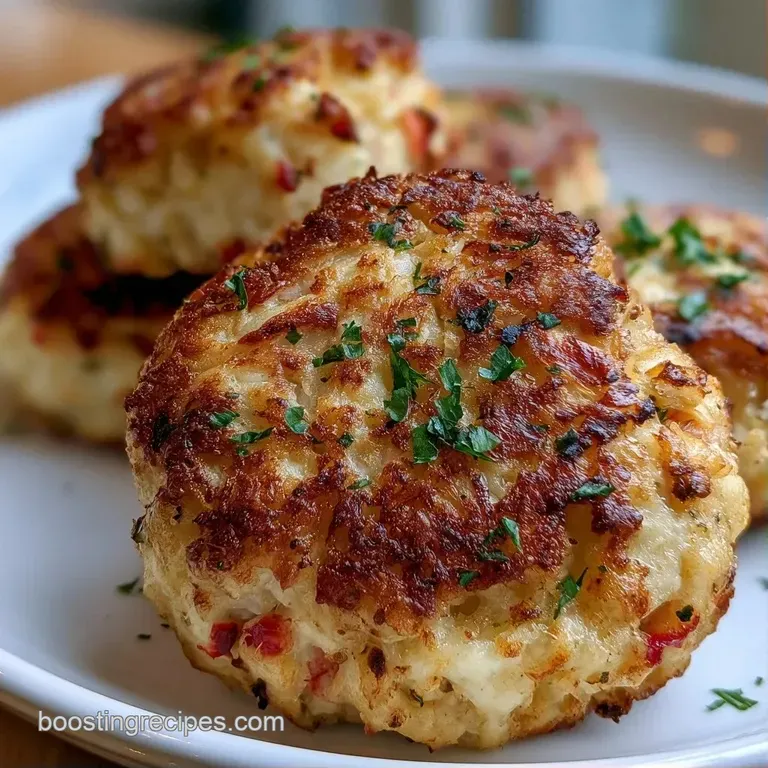
Preparing the Seafood Mix
- Dump the lump crab and chopped lobster into your large bowl. Note: Gently fold these together so you don't pulverize the crab lumps.
- Stir in the melted butter, minced parsley, lemon juice, Dijon mustard, and Worcestershire sauce.
Binding the Texture
- In a separate small bowl, whisk the egg with Old Bay, garlic powder, salt, and pepper.
- Pour the egg mixture over the seafood.
- Sprinkle in the crushed butter crackers. Note: Use a folding motion to combine; stop as soon as the crackers are incorporated.
Shaping the Patties
- Scoop about 2-3 tablespoons of the mixture for each cake.
- Gently press them into rounds about 1 inch thick.
- Place them on a plate and let them rest in the fridge for 10 minutes.
Searing for Color
- Heat oil or butter in a skillet over medium heat.
- Cook cakes for 3-4 minutes per side until a deep mahogany crust forms. Do not move them until it's time to flip.
Achieving the Golden Bake
Alternatively, preheat your oven to 200°C (400°F). Place the cakes on a parchment lined sheet, spray them lightly with oil, and bake for 12-15 minutes until the edges are golden.
Fixing Common Seafood Cake Issues
The most frustrating thing is when a cake splits in the pan. Usually, this happens because the mixture was too wet or the pan wasn't hot enough. If you notice them falling apart, you can try adding another tablespoon of crushed crackers to the mix.
Another issue is overcooking. Lobster and crab are already cooked when they go in, so you're really just heating them through and browning the outside. If they stay in the pan too long, the meat gets rubbery.
Troubleshooting Guide
| Problem | Root Cause | Solution |
|---|---|---|
| Cakes falling apart | Not chilled long enough or too much moisture | Chill for 20 mins; add 1 tbsp more crackers |
| Pale, soggy exterior | Pan temperature too low | Wait for oil to shimmer before adding cakes |
| Bland taste | Not enough salt/acid | Add a squeeze of fresh lemon juice after cooking |
If you're struggling with the consistency of your seafood mixes, reading about seafood cakes for 4 can give you a better feel for smaller batch proportions.
Adjusting the Batch Size
Cutting it in half If you're only cooking for two, use 112g of each seafood. Since you can't easily halve an egg, beat one egg in a cup and use exactly half of the liquid. Use a smaller skillet to prevent the oil from spreading too thin.
Doubling or Tripling When making a larger batch, don't just double the salt and Old Bay. Increase the seasonings to about 1.5x the original amount first, then taste the mixture.
Work in batches in the pan so you don't crowd the skillet, which drops the temperature and leads to steaming instead of searing.
Baking Large Batches If you're baking 16 or more cakes, lower the oven temp to 175°C (350°F) and add 3-5 minutes to the timer. This ensures the middle heats through without burning the bottoms.
Common Seafood Myths
More filler equals better hold. A lot of people think adding more breadcrumbs makes the cakes sturdier. In reality, too much filler makes them taste like a cracker and actually makes them drier and more prone to crumbling.
Searing seals in the juices. Searing is for flavor and texture, not for "locking in" moisture. The brown crust provides a contrast to the tender center, but the juices move regardless of how you sear it.
Storing and Reheating Your Cakes
Fridge Storage Keep cooked or uncooked cakes in an airtight container. Cooked cakes last about 3 days in the fridge. If they are uncooked, use them within 24 hours or move them to the freezer.
Freezing for Later These freeze surprisingly well. Flash freeze the shaped, uncooked patties on a baking sheet for an hour before transferring them to a freezer bag. They'll keep for 2 months.
Bake them straight from frozen at 200°C (400°F), adding about 5 minutes to the cook time.
Reheating for Crispness Avoid the microwave. It makes the seafood rubbery and the crust soggy. Instead, pop them in a toaster oven or a dry skillet over medium heat for 2 minutes per side.
Zero Waste Tip If you're picking your own lobster or crab from shells, don't toss them. Simmer the shells with a bit of onion, celery, and water for an hour to make a quick seafood stock. It's a great base for a risotto or a chowder.
Different Ways to Mix It Up
Adding a Spicy Kick Stir in a teaspoon of Sriracha or some chopped jalapeños to the mix. This works great if you're serving them with a cool lime crema.
Low Carb Swaps Instead of butter crackers, use almond flour or crushed pork rinds. Note that almond flour is moisture rich but creates a denser crumb than crackers, so you might need an extra minute of chilling.
Mini Appetizers Scoop the mixture into small 1 inch balls instead of patties. These "poppers" cook faster usually about 2 minutes per side and are easier to serve at parties.
What to Serve on the Side
These Simple Crab and Lobster Cakes are rich, so you need something acidic or fresh to balance the plate. A crisp arugula salad with a lemon vinaigrette is a classic choice.
For a more filling meal, try a side of roasted asparagus or a corn and bean salad. If you're going the traditional route, a dollop of remoulade or a squeeze of fresh lemon is all you really need.
Gourmet Plating Tip Smear a tablespoon of garlic aioli on a plate, place the cake on top, and garnish with a tiny sprig of fresh parsley and a lemon wedge. It looks like a $30 appetizer but takes ten seconds.
Recipe FAQs
How to make lobster and crab cakes?
Fold lump crab and lobster meat together gently. Stir in melted butter, parsley, lemon juice, mustard, and Worcestershire sauce, then combine with an egg mixture, seasonings, and crushed crackers. Shape into rounds and chill for 10 minutes before cooking.
What is the secret to good crab cakes?
Minimize handling to keep the seafood in large chunks. Over mixing breaks the meat and ruins the texture. If you enjoyed mastering the gentle folding technique here, see how the same principle works in our shallow fried version.
Is it okay to use canned crab meat for crab cakes?
Yes, but drain it thoroughly. Canned meat often contains excess moisture that can cause the cakes to fall apart during frying.
Is it better to pan fry or bake crab cakes?
Pan fry for a deep mahogany crust. Baking at 400°F (200°C) for 12 15 minutes is a great low-fat alternative, but searing in a skillet delivers superior flavor.
How long can you keep crab cakes before cooking them?
Store uncooked cakes in the fridge for up to 24 hours. For longer storage, flash freeze shaped patties on a baking sheet before transferring them to a freezer bag for up to 2 months.
Is it true that crab cakes must be made with breadcrumbs?
No, this is a common misconception. Crushed butter crackers provide a richer flavor and a more stable bind than traditional breadcrumbs.
What goes well with crab cakes?
Pair them with bright, acidic accompaniments. A squeeze of fresh lemon juice or a side of zesty remoulade perfectly balances the richness of the butter and seafood.
Simple Crab And Lobster Cakes