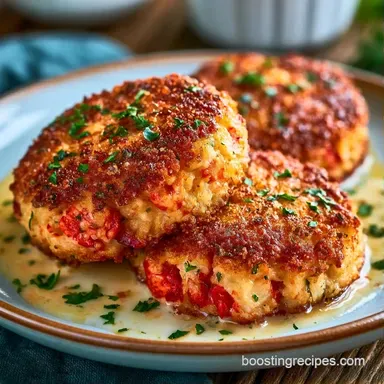
Homemade Lobster Meat Cakes with Panko
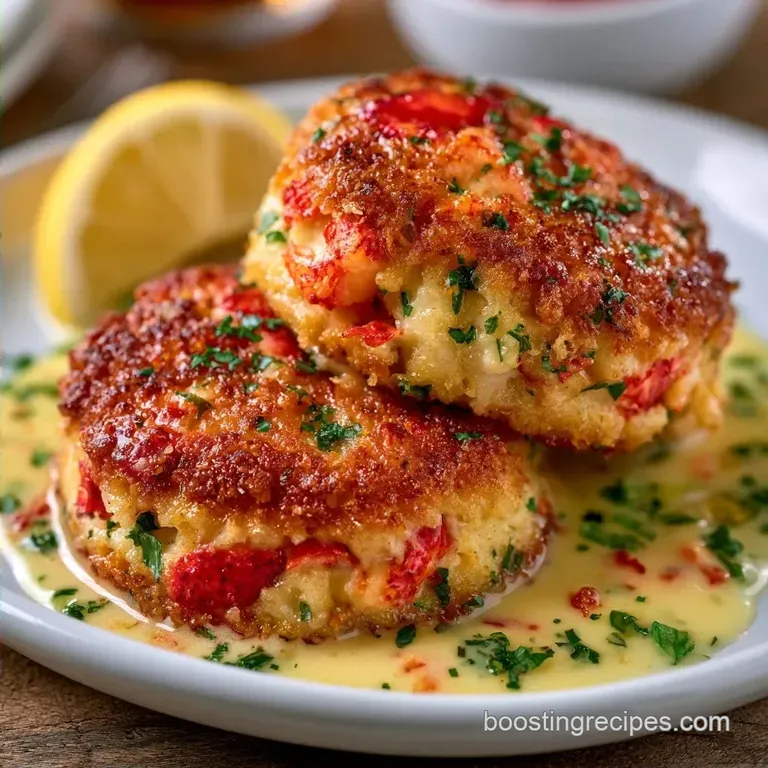
- Time:15 minutes active + 20 minutes cooking
- Flavor/Texture Hook: Mahogany brown crust with tender, chunky centers
- Perfect for: Impressive appetizers or a fancy date night dinner
- Homemade Lobster Meat Cakes: The Best Way
- What Makes These Cakes Work
- What Each Ingredient Does
- Gathering Your Ingredients
- Equipment Needed
- Step-by-Step Instructions
- Fixing Common Texture Issues
- Troubleshooting Common Issues
- Swaps and Flavor Twists
- Adjusting the Batch Size
- Debunking Seafood Myths
- Storing Your Seafood Cakes
- The Best Side Dishes
- Recipe FAQs
- 📝 Recipe Card
Homemade Lobster Meat Cakes: The Best Way
Imagine standing on a pier in Maine with the salt air hitting your face and the smell of buttered seafood everywhere. In New England, lobster cakes started as a way to use up the smaller bits of meat, mixing them with fillers to feed a crowd.
Over time, they turned into a luxury, but the soul of the dish remains the same: a golden, crispy exterior that gives way to sweet, tender meat.
I used to overwork my batter, turning the lobster into a paste that tasted more like a nugget than a cake. It took a few messy kitchens and a lot of wasted butter to realize that the lobster should be the star, not a passenger in a breadcrumb puck. You want big, meaty chunks that pop against the crunch of the sear.
These Homemade Lobster Meat Cakes focus on a light binder and a over high heat finish. You'll get that restaurant style crust without needing a professional kitchen. It's all about the balance of acid from the lemon and the salty kick of Old Bay.
What Makes These Cakes Work
The goal is a cake that holds its shape but doesn't feel like a dense loaf of bread.
- The Binder Ratio: Using a mix of mayo and egg creates a fatty, protein rich glue. It keeps the lobster moist while ensuring the cakes don't crumble in the pan.
- Panko Hydration: Stirring the breadcrumbs into the wet mix before adding the lobster lets them soak up the moisture. This stops the crumbs from stealing moisture from the lobster meat during cooking.
- Butter Searing: Butter has a lower smoke point than oil but adds a nutty depth. Searing in foaming butter creates that mahogany crust in exactly 3-4 minutes per side.
| Method | Time | Texture | Best For |
|---|---|---|---|
| Stovetop | 20 minutes | Very crispy, buttery | Small batches, maximum flavor |
| Oven Baked | 15-20 minutes | More uniform, softer | Large crowds, less oil |
What Each Ingredient Does
Getting the balance right means understanding why each part is there. If you skip the mustard, you lose the sharpness that cuts through the heavy mayo.
| Ingredient | What It Does | Best Swap |
|---|---|---|
| Lobster Meat | Main flavor and texture | Lump crab meat (adds sweetness) |
| Panko Crumbs | Adds structure and crunch | Crushed saltines (more traditional) |
| Mayonnaise | Binds and adds richness | Greek yogurt (tangier, less fat) |
| Dijon Mustard | Provides an acidic counterpoint | Whole grain mustard (more texture) |
Gathering Your Ingredients
For these Homemade Lobster Meat Cakes, you need fresh, dry ingredients. If your lobster meat is dripping with water, the cakes will slide apart in the pan. Pat everything dry with paper towels first.
For the Lobster Cakes 1 lb (450g) cooked lobster meat, patted dry and chopped Why this? Large chunks keep the texture meaty ½ cup (60g) Panko breadcrumbs Why this? Lighter and crispier than standard crumbs ¼ cup (60ml)
Mayonnaise Why this? Provides a stable, fatty emulsion 1 large egg, beaten Why this? Sets the structure during searing 1 tbsp (15g) Dijon mustard Why this? Cuts through the richness of the butter 1 tsp (5g) Old Bay seasoning
Why this? The classic coastal flavor profile 1 tbsp (15ml) fresh lemon juice Why this? Brightens the heavy seafood notes 2 scallions (10g), finely minced Why this? Adds a mild, oniony crunch 2 tbsp (30g) unsalted butter,
Melted Why this? Adds depth to the binder 2 tbsp (30g) unsalted butter for searing Why this? Creates the brown crust
For the Zesty Tartar Sauce ½ cup (115g) mayonnaise 1 tbsp (15g) capers, drained and minced 1 tsp (5g) lemon zest 1 tbsp (15ml) fresh dill, chopped 1 pinch (1g) smoked paprika
Equipment Needed
You don't need a fancy setup, but a few specific tools make the process smoother. Use a large stainless steel or glass bowl so you have plenty of room to fold the meat without smashing it. A rubber spatula is a must here, as it's gentler than a metal spoon.
For the cooking, a heavy bottomed skillet is your best friend. Cast iron or stainless steel works best because they hold heat evenly, ensuring the cakes brown at the same rate. If you use a non stick pan, you might miss out on some of that deep browning. Finally, keep a wire cooling rack handy.
Placing hot cakes directly on a plate can make the bottom soggy from trapped steam.
Step-by-step Instructions
Follow these steps to get the texture just right. The key is to be gentle with the lobster.
1. Build the Flavor Base
In a large bowl, whisk together the mayonnaise, beaten egg, Dijon mustard, Old Bay seasoning, lemon juice, and melted butter. Stir in the minced scallions until the mixture is a smooth, pale yellow emulsion.
2. Fold in the Protein
Add the Panko breadcrumbs to the binder first to hydrate them. Gently fold in the chopped lobster meat using a rubber spatula, stopping as soon as the meat is coated to preserve the chunks. Note: Over mixing here leads to a mushy interior.
3. Shape and Sear
Form the mixture into 8 equal sized patties, about 1 inch thick. Heat 2 tbsp of butter in a skillet over medium high heat until foaming. Place the patties in the pan and sear for 3–4 minutes per side. Cook until the crust is mahogany colored and the cakes feel firm to the touch.
4. The Finish
Remove the cakes from the pan. Transfer them to a wire rack for 2 minutes to let the carryover heat finish the center. While they rest, mix the mayonnaise, capers, lemon zest, dill, and smoked paprika in a small bowl for the tartar sauce.
Chef's Note: If you find the mixture too wet to form patties, let it chill in the fridge for 15 minutes. This firms up the butter and mayo, making them much easier to handle.
Fixing Common Texture Issues
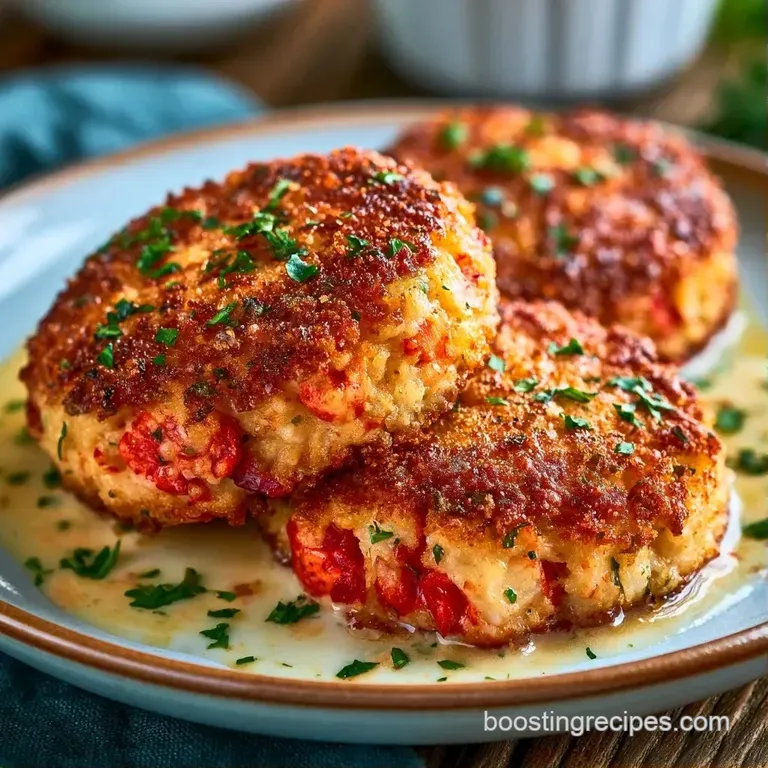
Even with a good recipe, seafood can be finicky. The most common problem is the cake losing its shape, which usually comes down to moisture levels.
Troubleshooting Common Issues
| Issue | Solution |
|---|---|
| Why Your Cakes Fall Apart | This usually happens if the lobster meat wasn't patted dry or if you didn't let the Panko hydrate. When there's too much liquid, the egg can't bond the ingredients together. |
| Why the Lobster is Rubbery | Rubbery meat is a sign of overcooking. Since the lobster is already cooked before it goes into the cakes, you're only searing for color and heat. |
| Why the Crust is Pale | A pale cake means the pan wasn't hot enough. The butter should be foaming and just starting to brown before the cakes hit the surface. |
Swaps and Flavor Twists
Depending on what's in your pantry, you can tweak these Homemade Lobster Meat Cakes. If you want a different approach, you might like the Processor Lobster Cakes (9) recipe for a faster prep.
- Spicy Kick
- Add a dash of cayenne pepper or finely diced jalapeño to the binder.
- Cheesy Twist
- Fold in 2 tbsp of finely grated Parmesan. This adds a salty crust and helps with binding.
- Citrus Pop
- Swap the lemon juice for lime juice and use cilantro instead of dill in the tartar sauce.
Dietary Adjustmentsgluten-free: Use almond flour or gluten-free Panko. Almond flour makes the cake denser, so increase the cooking time by 1 minute per side. dairy-free: Use a vegan butter substitute for both the binder and the searing.
The flavor remains surprisingly similar.
Adjusting the Batch Size
Scaling seafood recipes requires a bit of care, especially with the binders.
Scaling Down (Half Batch) If you're making 4 cakes instead of 8, use half of everything. For the egg, beat one large egg in a cup and use exactly 2 tbsp of it. Use a smaller skillet so the butter doesn't spread too thin and burn.
Scaling Up (Double Batch) When doubling, don't double the Old Bay or salt exactly. Start with 1.5x the seasoning and taste the binder first. Work in batches in the skillet. If you crowd the pan with 16 cakes, the temperature will drop, and you'll steam the meat instead of searing it. According to Serious Eats, crowding the pan is the fastest way to lose a crisp crust.
Debunking Seafood Myths
There are a few things people get wrong when making Homemade Lobster Meat Cakes.
Myth: You need to freeze the cakes first. Some say freezing is the only way to keep them from falling apart. While it helps, it's not necessary if your binder is correct and your meat is dry. A 15 minute chill is plenty.
Myth: Searing "locks in" the juices. Searing creates flavor through browning, but it doesn't create a waterproof seal. The goal here is texture and taste, not moisture retention, since the mayo already keeps the lobster tender.
Storing Your Seafood Cakes
Since these contain egg and mayo, you have to be careful with storage.
Fridge and Freezer Store cooked cakes in an airtight container in the fridge for up to 3 days. For the freezer, flash freeze the raw patties on a baking sheet for 1 hour before transferring them to a freezer bag. They'll stay good for 2 months.
To cook from frozen, just pop them straight into a medium hot pan; no need to thaw.
Zero Waste Tips Don't throw away the lobster shells if you bought whole lobsters. Boil them with an onion, carrot, and celery to make a quick seafood stock. You can use this stock as a base for a risotto to serve alongside your Homemade Lobster Meat Cakes.
Any leftover tartar sauce can be used as a dressing for a shrimp salad the next day.
The Best Side Dishes
Because these cakes are rich and buttery, you need sides that bring acidity or freshness to the plate.
Fresh Pairings A crisp arugula salad with a lemon vinaigrette is the standard choice. The bitterness of the greens cuts through the mayo. Alternatively, steamed asparagus with a squeeze of lime provides a clean, snap fresh contrast.
Hearty Options If you want a full meal, serve the cakes over a bed of creamy polenta or a side of roasted fingerling potatoes. For a more traditional New England vibe, a small bowl of corn chowder works, though it makes for a very heavy meal. Keep the sides light to let the lobster shine.
Recipe FAQs
What are the best seasonings to use with lobster meat?
Old Bay seasoning and fresh lemon juice. These classics highlight the lobster's natural sweetness without masking the delicate flavor.
Is it possible to make tuna cakes using this same method?
Yes, you can substitute tuna for lobster. If you enjoyed mastering the texture of the seafood patty here, see how we apply similar protein handling principles in our Asian chicken wraps.
How do I make these lobster cakes quickly?
Whisk the binder, hydrate the Panko, and gently fold in chopped lobster. Form 1 inch patties and sear in foaming butter for 3 4 minutes per side.
What should I put on top of lobster cakes for the best flavor?
A zesty tartar sauce. Combine mayonnaise, capers, lemon zest, dill, and smoked paprika for a bright, acidic finish.
Why do my lobster cakes fall apart during searing?
Too much moisture or under hydrated Panko. Ensure lobster meat is patted dry and allow breadcrumbs to absorb the binder before folding in the meat.
Is it true that I must thaw frozen patties before frying?
No, this is a common misconception. Frozen patties can be cooked straight from the freezer in a medium hot pan.
How do I prevent the lobster meat from becoming rubbery?
Sear for color only. Because the lobster is pre-cooked, exceeding 3 4 minutes per side will make the meat tough.
Homemade Lobster Meat Cakes