Quick Food Processor Lobster Cakes: Crispy
- Time: 10 min active + 30 min chilling
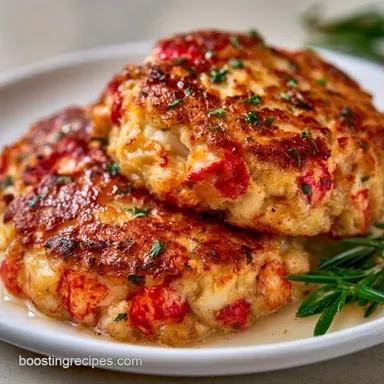
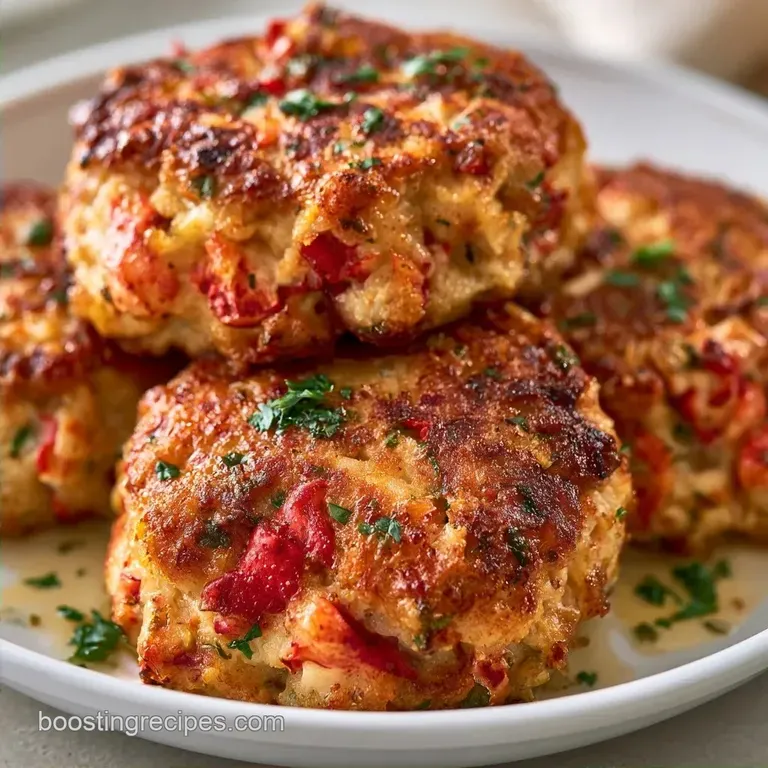
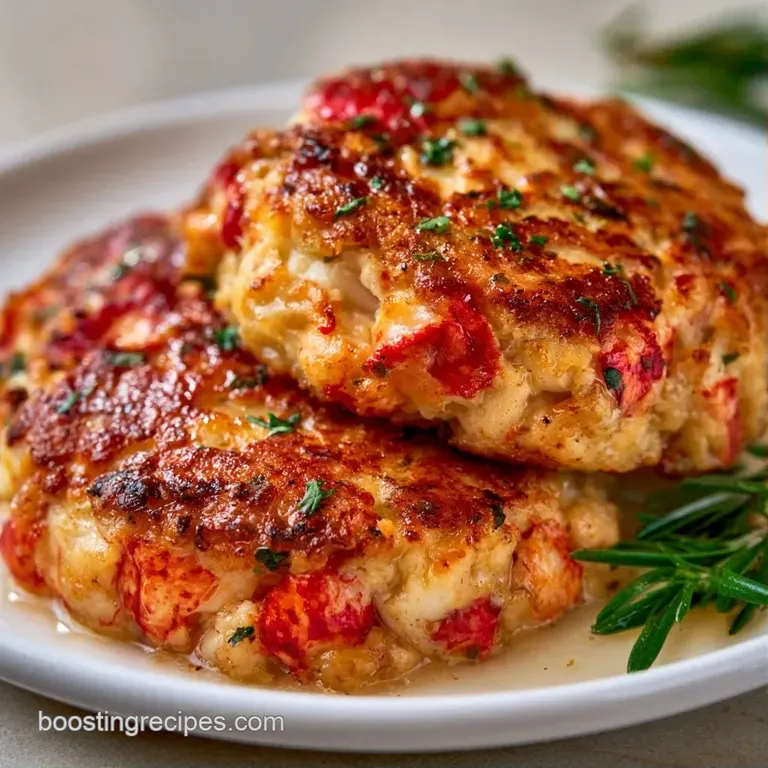
- Flavor/Texture Hook: Crispy mahogany crust with tender, chunky centers
- Perfect for: High end appetizers or a fast luxury dinner
- Quick Food Processor Lobster Cakes
- Common Lobster Recipe Errors
- Quick Recipe Specs
- Necessary Ingredients
- Essential Kitchen Tools
- The Full Cooking Process
- Solving Common Problems
- Troubleshooting Common Issues
- Tasty Swaps and Variations
- Lobster Myths
- Freshness and Storage
- Serving and Pairing Tips
- Recipe FAQs
- 📝 Recipe Card
The smell of foaming butter and Old Bay hitting a hot pan is enough to make anyone hungry. I used to think that using a machine for seafood cakes was "cheating" , worse, that it would turn the lobster into a tasteless mush.
For a long time, I spent twenty minutes chopping everything by hand, only to realize the texture wasn't actually that different.
Most people tell you to avoid the food processor because they over process the meat. But when you use the pulse button, you get a consistent bind that actually lets the lobster flavor stand out. These Quick Food Processor Lobster Cakes are about efficiency, not cutting corners.
You can expect a cake that doesn't fall apart the second it hits the oil. By using a small amount of Greek yogurt and a quick fridge rest, we get a sturdy cake that stays juicy. It is a straightforward process that feels fancy but takes very little effort.
Quick Food Processor Lobster Cakes
Right then, let's get into the meat of this. The biggest hurdle with lobster cakes is usually the "mush factor." When you mix by hand, you often over work the proteins, or you add too many breadcrumbs to stop them from falling apart, which masks the seafood.
The pulse method changes that. By quickly chopping the lobster with the binders, you create a coarse crumble. This means the cakes have structural integrity but still feel like you're eating actual chunks of lobster.
If you've tried other versions, you might notice this one uses Greek yogurt. It adds a slight tang that cuts through the richness of the butter and mayo. It is a simple swap that makes the whole dish feel lighter.
Common Lobster Recipe Errors
A lot of recipes insist on using only mayonnaise, which can make the cakes feel greasy. When too much fat is present, the cakes slide around in the pan instead of searing. Combining mayo with Greek yogurt provides the necessary fat for flavor but adds a bit of acidity to keep things balanced.
Another mistake is skipping the chill. If you fry the cakes immediately after shaping, the heat hits the fats too quickly, and they can flatten or crack. Giving them 15 to 30 minutes in the fridge allows the Panko to hydrate and the proteins to set.
Finally, many cooks use too much filler. If your cake tastes more like a breaded potato than lobster, you've added too many crumbs. The goal is for the breadcrumbs to act as a glue, not the main event.
Quick Recipe Specs
To get these right, you need to hit a few specific marks. First, your lobster must be patted dry. Wet meat creates steam in the processor, which leads to a paste. Second, your pan needs to be medium high. If the pan is too cool, the cakes soak up the oil.
The total time is 55 minutes, but most of that is just waiting for the cakes to chill. The actual work is incredibly fast.
Precision Checkpoints:
- Pulse count: Exactly 4-6 times.
- Cake thickness: 1 inch.
- Sear time: 3-4 minutes per side.
| Method | Prep Time | Texture | Best For |
|---|---|---|---|
| Fast (Processor) | 10 mins | Uniform & Chunky | Weeknight Luxury |
| Classic (Hand cut) | 30 mins | Irregular Chunks | Traditionalists |
Necessary Ingredients
For this recipe, I prefer Panko over standard breadcrumbs. Panko is larger and airier, which means it doesn't absorb as much oil and gives a better crunch.
- 1 lb cooked lobster meat, patted dry Why this? ensures no excess water ruins the bind
- 2 tbsp light mayonnaise Why this? adds richness and moisture
- 1 tbsp Greek yogurt Why this? adds tang and stability
- 1 large egg, lightly beaten Why this? the primary binder
- 1/3 cup Panko breadcrumbs Why this? creates a light, crispy exterior
- 1 tsp Old Bay seasoning Why this? the classic seafood flavor profile
- 1 tbsp fresh lemon juice Why this? brightens the heavy fats
- 1 tbsp fresh parsley, finely chopped Why this? adds a fresh, herbal note
- 1/4 tsp salt
- 1/4 tsp black pepper
- 2 tbsp olive oil
- 1 tbsp unsalted butter
Substitution Options
| Original Ingredient | Substitute | Why It Works |
|---|---|---|
| Greek Yogurt | Sour Cream | Similar acidity and thickness. Note: Slightly richer taste |
| Panko | Almond Flour | Good for low carb. Note: Denser crust, less crunch |
| Old Bay | Paprika + Celery Salt | Mimics the base flavors. Note: Lacks the specific zest |
Essential Kitchen Tools
You don't need a professional kitchen for this, just a few basics. A food processor is the star here, but any small one will work. If you have a huge commercial one, be extra careful with the pulsing, as the blades move faster across a larger area.
A non stick skillet is my recommendation. Lobster cakes have a high protein and fat content, which means they can stick to stainless steel if your heat management isn't spot on.
Finally, use parchment paper on your baking sheet. It stops the cakes from sticking while they chill and makes cleanup a breeze.
The Full Cooking Process
Let's crack on with the actual making. I like to divide this into three distinct phases so the flow stays organized.
Phase 1: The Quick Pulse Blend
Throw your lobster meat, light mayo, Greek yogurt, lemon juice, and Old Bay into the food processor. Now, this is the part where you have to be disciplined. Do not just hit "on" and walk away. Pulse the mixture 4-6 times. Stop when it looks like a coarse crumble. If it looks like a thick paste, you've gone too far.
Phase 2: Shaping and Chilling
Transfer the mixture to a bowl. Stir in the beaten egg, parsley, salt, pepper, and Panko by hand. Use a fork or a spatula and just mix until combined. Don't over mix, or you'll lose that chunky texture we worked for.
Scoop about 1/3 cup of the mix and form it into a disc about 1 inch thick. Place these on your parchment lined sheet. Put the whole tray in the fridge for 15-30 minutes. This step is not optional. It locks in the shape and prevents the cakes from sliding apart in the pan.
Phase 3: The Searing
Heat your olive oil and butter in the skillet over medium high heat. Wait until the butter foams and just starts to sizzle. According to Serious Eats, achieving a proper sear requires the pan to be hot enough that the food sizzles immediately upon contact.
Carefully place the cakes in the pan. Cook for 3-4 minutes per side. You are looking for a mahogany colored crust. When they are ready, they will release easily from the pan without sticking.
Solving Common Problems
Even with a simple recipe, things can go sideways. Most issues with Quick Food Processor Lobster Cakes stem from moisture or temperature.
Troubleshooting Common Issues
| Issue | Solution |
|---|---|
| Why Your Cakes Fall Apart | This usually happens because the mixture was too wet or the cakes didn't chill long enough. If the lobster wasn't patted dry, that extra water prevents the egg and Panko from bonding. |
| Why Your Cakes Brown Too Fast | If the outside is dark brown but the inside is cold, your heat is too high. The butter burns quickly. |
| Why the Texture is Mushy | This is a pulse button error. If you let the processor run, it emulsifies the mayo and yogurt into the lobster. To fix this in the future, count your pulses. |
Tasty Swaps and Variations
You can easily tweak this recipe to fit your mood. If you want something with more of a kick, add a dash of cayenne pepper or a teaspoon of horseradish to the mix. Horseradish pairs brilliantly with the sweetness of the lobster.
For those who want a different style, these are quite similar to savory lobster cakes, but the processor method makes this version much faster for a weeknight.
Decision Shortcut:
- If you want more crunch: Roll the shaped cakes in extra Panko before frying.
- If you want a low carb version: Swap Panko for almond flour (though they will be softer).
- If you want a spicy version: Add 1 finely diced jalapeño to the manual mix phase.
Lobster Myths
There is a common belief that searing meat or seafood "seals in the juices." This is actually a myth. Moisture loss happens regardless of how you sear it. The reason we sear is for the flavor. The browning creates a complex, nutty taste that you just can't get from baking or steaming.
Another myth is that you must use raw lobster for the best cakes. Actually, using pre cooked lobster is safer and more consistent. It prevents you from overcooking the meat during the frying process, which often leads to a rubbery texture.
Freshness and Storage
These Quick Food Processor Lobster Cakes hold up well if stored correctly. Place them in an airtight container with parchment paper between the layers so they don't stick together. They stay fresh in the fridge for up to 3 days.
For the freezer, shape them but do not fry them. Freeze them on a tray first, then move them to a bag. They'll last about 2 months. To cook from frozen, you can put them straight into a pan over medium heat, adding a few extra minutes to the cook time per side.
Zero Waste Tip: If you bought whole lobsters and have the shells left over, don't toss them. Roast the shells in the oven for 10 minutes and simmer them with water, onion, and celery to make a rich lobster stock for a risotto.
Serving and Pairing Tips
The best way to eat these is immediately while the crust is still crackling. I love serving them as a lobster cake sandwich on a toasted brioche bun with a slice of tomato and crisp lettuce.
For a dipping sauce, a simple lemon garlic aioli works, but if you want something bolder, try a drizzle of tonkatsu sauce for a fusion twist. The sweetness and acidity of the sauce cut right through the rich butter of the cake.
If you're serving these as a main, a side of steamed asparagus or a light arugula salad with a lemon vinaigrette balances the dish. The bitterness of the greens keeps the meal from feeling too heavy.
Recipe FAQs
Can I use a food processor to make these lobster cakes?
Yes, it saves significant time. Use it to quickly chop the lobster and blend the binders without overprocessing the meat.
Which blade should I use in the food processor?
Use the standard S-blade. This is the best tool for pulsing the lobster and seasonings into a coarse crumble.
What is the best way to cook lobster cakes?
Sear in a skillet over medium high heat. Use a combination of olive oil and butter, cooking for 3-4 minutes per side until a mahogany crust forms.
Why are my lobster cakes falling apart?
Your mixture is likely too wet. Ensure the lobster meat is patted dry and the cakes chill for 15-30 minutes to lock in the shape.
Why is the texture of my cakes mushy?
You likely overprocessed the ingredients. Only pulse 4-6 times to achieve a coarse crumble; running the machine too long emulsifies the mayo and yogurt into a paste.
Is it possible to make tuna cakes using this same method?
Yes, the process is nearly identical. If you enjoyed mastering the binding technique here, see how a similar approach creates the structure in our homemade samosas.
Do I really need to refrigerate the cakes before frying?
Yes, this is critical. Chilling the discs for 15-30 minutes prevents them from flattening or breaking when they hit the hot pan.
Quick Food Processor Lobster Cakes