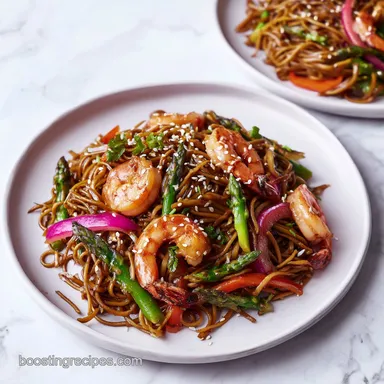
Shrimp Lo Mein: Healthy and Savory
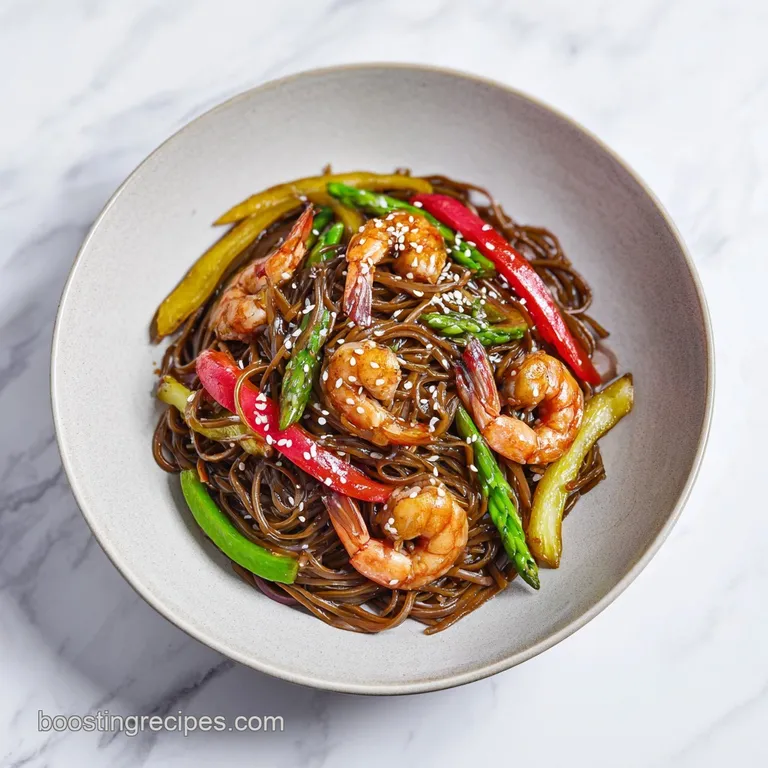
- Time:15 minutes prep + 15 minutes cook = Total 30 minutes
- Flavor/Texture Hook: Silky, glossy noodles with a snappy, savory shrimp bite
- Perfect for: A fast weeknight win that tastes like takeout but feels healthier
- Secrets for the Best Shrimp Lo Mein
- Component Analysis
- Everything You Need in the Pantry
- The Right Tools for the Job
- Step by Step Cooking Guide
- Troubleshooting Your Stir Fry
- Swapping Ingredients for Every Diet
- Scaling Your Portions
- Debunking Kitchen Myths
- Storage and Reheating Guidelines
- Perfect Complements
- Critical in Sodium
- Recipe FAQs
- 📝 Recipe Card
That loud, aggressive sizzle when the shrimp hits the hot oil is the sound of victory. I remember the first time I tried making this at home, and it was a disaster. I threw everything in the pan at once, and I ended up with a grey, watery mess where the shrimp were rubbery and the noodles had basically dissolved into a mushy paste.
It was a total fail.
The trick is all about temperature and timing. You can't rush the sear, and you definitely can't overcrowd the pan. When you get it right, the shrimp curl into tight, opaque pink crescents and the vegetables keep that vibrant, garden fresh snap. Enjoy a fast, flavorful dinner with this 30 Minute Victory Shrimp Lo Mein Recipe.
We're going for a balance here. You want the saltiness of the soy, the floral hit of the sesame oil, and the honey to create a glaze that's velvety rather than sticky. Trust me on this, once you see that sauce bubble and thicken in the wok, you'll never go back to the bland takeout version. Let's crack on.
Secrets for the Best Shrimp Lo Mein
Getting the texture right isn't about luck, it's about how the ingredients interact with the heat. Most people struggle because they treat a stir fry like a stew, but we're treating this like a high speed assembly line.
The Starch Slurry: Cornstarch combined with the soy and honey creates a thick, glossy coat. This ensures the sauce clings to the noodles instead of pooling at the bottom of the bowl.
Over High heat Searing: Searing the shrimp quickly prevents them from releasing too much water. This keeps the pan hot so the vegetables sauté instead of steaming.
Under Cooking the Pasta: Boiling noodles until they're just under done means they finish cooking in the sauce. This prevents the "mush factor" that ruins so many home cooked noodle dishes.
Vegetable Layering: Adding carrots and peppers first gives them time to soften. The cabbage and scallions go in last because they'd turn into slime if they stayed in too long.
| Feature | Fast Victory Method | Classic Slow Method |
|---|---|---|
| Prep Style | Mise en-place (All ready) | Gradual chopping |
| Heat Level | Very High | Medium |
| Texture | Snappy and vibrant | Soft and integrated |
| Best For | Weeknight dinners | Lazy Sunday cooking |
Component Analysis
I've spent way too much time thinking about why some sauces taste "flat" while others pop. It usually comes down to the balance of salt, acid, and sugar.
| Ingredient | Science Role | Pro Secret |
|---|---|---|
| Honey | Natural thickener | Adds a floral sweetness that balances the soy |
| Rice Vinegar | Acidic brightener | Cuts through the fat of the sesame oil |
| Cornstarch | Binding agent | Must be fully dissolved to avoid white clumps |
| Shrimp | Protein structure | Pat them bone dry before searing for a better crust |
Everything You Need in the Pantry
Don't bother with the low-fat substitutes here. The fat in the avocado oil and sesame oil is what carries all those aromatic flavors to your taste buds.
- 1/2 cup low sodium soy sauce Why this? Prevents the dish from becoming an salt bomb (Substitute: Tamari for gluten-free)
- 2 tbsp honey Why this? Creates a glossy, sticky glaze (Substitute: Brown sugar)
- 1 tbsp rice vinegar Why this? Adds a subtle tang (Substitute: Apple cider vinegar)
- 1 tsp toasted sesame oil Why this? Deep, nutty aroma (Substitute: Peanut oil)
- 1 tbsp freshly grated ginger Why this? Zesty, fresh heat (Substitute: 1/2 tsp ground ginger)
- 3 cloves minced garlic Why this? Pungent base layer (Substitute: Garlic powder)
- 1 tsp cornstarch Why this? Thickens the sauce (Substitute: Arrowroot powder)
- 1 lb large shrimp, peeled and deveined Why this? Quick cooking time (Substitute: Scallops or tofu)
- 2 tbsp avocado oil (split) Why this? High smoke point (Substitute: Grapeseed oil)
- 1/4 tsp cracked black pepper Why this? Subtle earthy bite (Substitute: White pepper)
- 12 oz fresh lo mein noodles Why this? Better chew than dried (Substitute: Spaghetti)
- 2 cups shredded cabbage Why this? Adds bulk and crunch (Substitute: Bok choy)
- 1 cup sliced carrots, julienned Why this? Sweetness and color (Substitute: Parsnips)
- 1 red bell pepper, thinly sliced Why this? Vibrant sweetness (Substitute: Yellow pepper)
- 3 scallions, cut into 2 inch pieces Why this? Fresh onion finish (Substitute: Chives)
The Right Tools for the Job
You don't need a professional kitchen, but a few specific tools make this Shrimp Lo Mein much easier.
- A Wok or Large Skillet: You need surface area. If the pan is too small, the ingredients pile up, the temperature drops, and your food steams instead of frying.
- Tongs: Forget the spoon. Tongs let you toss the noodles and shrimp without breaking them.
- Microplane: For the ginger and garlic. Grating them creates a paste that integrates into the sauce much better than rough chopping.
- Colander: Essential for draining those noodles quickly so they don't overcook in the hot water.
Chef's Note: If you're using frozen shrimp, run them under cool water until completely thawed, then pat them dry with a paper towel. If they're wet, they'll slide around the pan and won't get that beautiful sear. You may also need to remove the shells/veins if you bought them easy peel.
Step by step Cooking Guide
Right then, let's get into it. Make sure everything is chopped and measured before you even turn on the stove. Stir frying happens fast, and you won't have time to mince garlic while the shrimp are curling.
Preparing the Components
Boil the noodles according to package instructions until just under done (al dente). Drain and set aside. In a small bowl, whisk together the soy sauce, honey, rice vinegar, sesame oil, ginger, garlic, and cornstarch until the cornstarch is completely dissolved.
Searing the Shrimp
Heat 1 tbsp of avocado oil in the wok over medium high heat until shimmering. Add the shrimp in a single layer; sear for 1-2 minutes per side until they turn an opaque pink and curl into a 'C' shape. Remove shrimp immediately to a plate.
Note: Overcooking them here makes them rubbery during the final toss.
Sautéing the Aromatics and Veggies
Add another 1 tbsp of oil to the same pan. Toss in the carrots and bell peppers, stir frying for 2-3 minutes. Add the shredded cabbage and scallions, cooking for another 2 minutes until the vegetables are bright but still hold a crisp snap.
Emulsifying the Sauce and Noodles
Pour the sauce mixture over the vegetables and stir constantly for 1 minute until the liquid bubbles and thickens into a glossy glaze. Fold in the cooked noodles and seared shrimp. Toss gently for 60 seconds until every strand is coated.
Troubleshooting Your Stir Fry
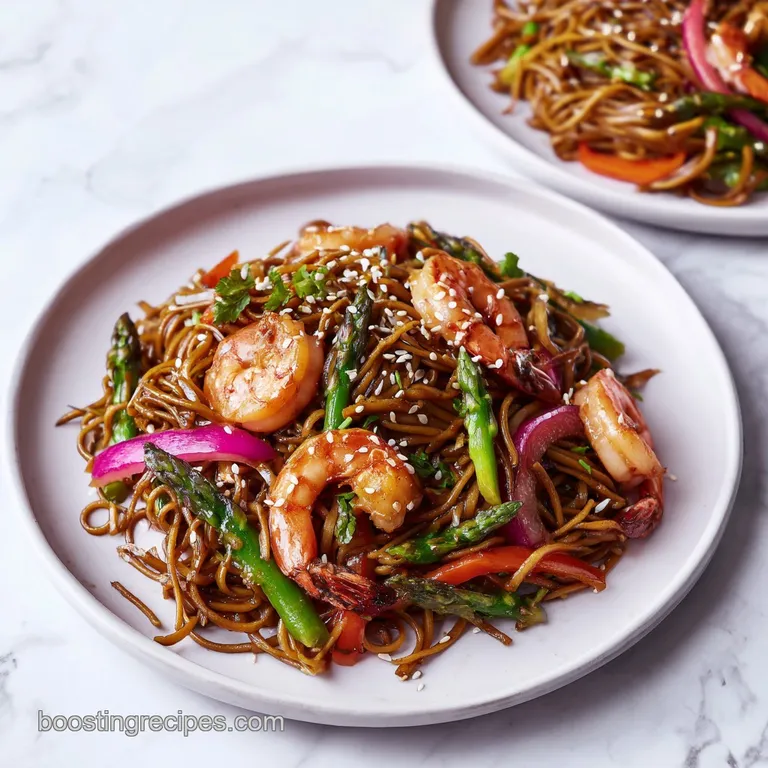
Even with a plan, things happen. Maybe the sauce is too thin, or the shrimp didn't brown. Don't panic, it's all fixable.
Why Your Shrimp Are Rubbery
This usually happens because of "double cooking." If you sear them until they're fully done and then toss them back into the simmering sauce for too long, they tighten up. Take them out while they just barely hit that opaque stage.
Stopping Mushy Noodles
The biggest culprit is over boiling. If the noodles are fully soft before they hit the wok, the addition of the sauce and heat will turn them into a clump. They should have a slight "bite" to them when drained.
Fixing a Bland Sauce
If the flavor feels flat, you're likely missing acid. A tiny splash of extra rice vinegar or a squeeze of lime juice at the very end can wake up all the other flavors.
| Problem | Root Cause | Solution |
|---|---|---|
| Sauce is too watery | Not enough cornstarch or not enough heat | Simmer for 1 more minute without noodles |
| Veggies are soggy | Overcrowded pan | Cook vegetables in two smaller batches |
| Noodles sticking | Not enough oil or sauce | Add a teaspoon of sesame oil and toss again |
Common Mistakes Checklist
- ✓ Patting shrimp dry before they hit the oil.
- ✓ Whisking cornstarch into the sauce before heating.
- ✓ Cooking vegetables in the order of their density (hardest first).
- ✓ Removing shrimp from the pan before adding vegetables.
- ✓ Using a large enough pan to prevent steaming.
Swapping Ingredients for Every Diet
One of the best things about a Lo Mein recipe is how adaptable it is. You can change the protein or the base without losing the soul of the dish.
Making it gluten-free
The easiest swap is using Tamari or coconut aminos instead of soy sauce. For the noodles, you can use brown rice noodles or glass noodles. Just be careful with the boiling time, as rice noodles can go from al dente to mush in about ten seconds.
Creating a Vegan Version
Swap the shrimp for extra firm tofu or sliced shiitake mushrooms. To get that "umami" hit that the shrimp provide, add a teaspoon of miso paste to your sauce mixture. If you're looking for a side to go with this, a homemade hibachi ginger dressing works brilliantly as a dip for the tofu.
Lowering the Carb Count
Use zucchini noodles (zoodles) or shredded cabbage as the primary base. If you use zoodles, don't boil them. Just toss them in the pan at the very end for 60 seconds. They release a lot of water, so you might need an extra pinch of cornstarch to keep the sauce thick.
Increasing the Heat
If you like a kick, add a tablespoon of Sriracha or Chili Garlic Sauce to the sauce whisk. For an even deeper heat, toss in some dried red pepper flakes when you're sautéing the garlic and ginger.
Decision Shortcut
- If you want more crunch → Add sliced water chestnuts or bamboo shoots.
- If you want a thicker glaze → Increase cornstarch by 1/2 tsp.
- If you want a smokier flavor → Use a cast iron skillet instead of a wok.
Scaling Your Portions
Whether you're cooking for one or a crowd, you can't just multiply everything blindly. Some things don't scale linearly.
Cutting it in half Use a smaller skillet so the oil doesn't spread too thin. Reduce the cooking time for the vegetables by about 20% since there's less mass in the pan. If the recipe calls for an egg (in other variations), beat one and use half.
Doubling or Tripling This is where people mess up. Do NOT double the shrimp and cook them all at once. You will drop the pan temperature and end up steaming the shrimp. Work in batches. For the sauce, increase the liquids and honey, but only increase the salt/soy to 1.5x first, then taste and adjust.
Too much soy sauce in a large batch can become overwhelming.
Baking Variations If you ever try a baked version of a noodle dish, lower your oven temp by 25°F and extend the time. But for this Shrimp Lo Mein, stick to the stovetop. The over high heat toss is what makes this a victory.
Debunking Kitchen Myths
There are a few things people tell you about stir frying that are just plain wrong. Let's clear them up.
The "Sealing" Myth You'll hear people say that searing shrimp "seals in the juices." That's not actually what's happening. The browning creates a flavorful crust, but moisture loss happens regardless. The goal of the sear is flavor and texture, not "sealing" the shrimp.
The Wok Requirement Many think you need a carbon steel wok to get "wok hei" (the breath of the wok). While a wok is great, a heavy stainless steel or cast iron skillet works just as well for a home cook. The key is the heat and the movement, not the shape of the pan.
The Noodle Myth Some believe you must use expensive imported noodles for an authentic feel. Honestly, spaghetti works in a pinch. Just boil it in salted water and under cook it. The sauce does 90% of the heavy lifting.
Storage and Reheating Guidelines
Leftovers are great, but noodles have a tendency to soak up all the sauce while they sit in the fridge, leaving you with dry strands the next day.
Fridge Storage Store your Shrimp Lo Mein in an airtight container for up to 3 days. To prevent the noodles from becoming a solid block, add a tiny drizzle of sesame oil before closing the lid.
Reheating Strategy The microwave is the fastest, but it can make shrimp rubbery. For the best results, use a skillet over medium heat with a splash of water or broth to loosen the sauce. You can also reheat this in a makeshift double boiler on the stovetop; it applies a nice, even heat without being too direct, which protects the shrimp.
Freezing Tips I generally don't recommend freezing this dish. The cabbage loses its snap, and the noodles can get grainy. However, you can freeze the sauce mixture (without the ginger/garlic if you prefer fresh) for up to 3 months.
Zero Waste Tips Don't throw away those cabbage cores or carrot peels. Toss them into a freezer bag. Once the bag is full, boil them with a bit of ginger and soy to make a quick vegetable stock for your next batch of soup.
Perfect Complements
Since this Shrimp Lo Mein is so savory and rich, you want sides that provide a refreshing contrast or a bold punch.
A crisp, cold cucumber salad with rice vinegar and sesame seeds is the traditional way to go. The acidity cleanses the palate between bites of the glossy noodles. If you want something heartier, some steamed edamame with sea salt adds a nice protein boost.
For those who love a bold flavor, try dipping the shrimp in some Sauce in 5 Minutes recipe. It adds a tangy, fruit forward depth that complements the honey in the lo mein. Alternatively, a side of steamed bok choy with garlic is a great way to add more greens to the plate without distracting from the main event.
This Shrimp Lo Mein is all about the joy of the process. Once you stop fearing the high heat and start trusting your senses - the smell of the garlic, the sight of the glossy sauce - you'll realize how easy it is to get restaurant quality results.
It's fast, it's satisfying, and it's a guaranteed win for any night of the week. Now go get that wok hot!
Critical in Sodium
1200 mg 1,200 mg of sodium per serving (52% 52% of daily value)
The American Heart Association recommends a limit of 2,300mg of sodium per day for most adults to maintain heart health.
Tips to Reduce Sodium
-
Swap Soy Sauce-30%
Replace half of the low-sodium soy sauce with coconut aminos or a mixture of water and lemon juice to significantly lower salt content.
-
Choose Low-Sodium Noodles-15%
Switch to fresh, additive free noodles or brown rice noodles, as processed lo mein noodles often contain hidden sodium.
-
Amplify Aromatics-10%
Increase the amount of fresh ginger and garlic to provide a deeper flavor punch, reducing the need for salty seasonings.
-
Add Fresh Herbs
Garnish with fresh cilantro or chopped parsley to add a bright, aromatic finish without adding any sodium.
Recipe FAQs
Should I cook the shrimp together with the vegetables?
No, sear them separately. Cooking shrimp with the vegetables often leads to overcooking; remove them as soon as they turn opaque and curl into a 'C' shape.
How to ensure the sauce thickens and becomes glossy?
Whisk the cornstarch completely into the liquid ingredients before pouring the mixture into the pan. Stir constantly for one minute over heat until the sauce bubbles and glazes the vegetables.
How to prevent the lo mein noodles from becoming mushy?
Boil the noodles until they are just under done (al dente). This prevents them from overcooking when they are tossed in the pan for the final 60 seconds.
Is it true that stir frying requires low heat to avoid burning the garlic?
No, this is a common misconception. Use medium high heat with avocado oil to ensure vegetables sear quickly and maintain a crisp snap rather than steaming.
Can I store the leftovers in the refrigerator?
Yes, store in an airtight container for up to 3 days. Add a tiny drizzle of sesame oil before closing the lid to prevent the noodles from forming a solid block.
How to get a professional sear on the shrimp?
Heat the avocado oil until shimmering over medium high heat. Place the shrimp in a single layer and sear for 1-2 minutes per side.
How to reheat the dish without making the shrimp rubbery?
Use a skillet over medium heat. Add a splash of water to loosen the sauce and warm gently to preserve the texture of the shrimp.
Savory Shrimp Lo Mein