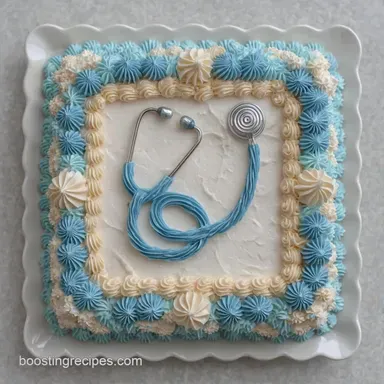
Nursing Graduation Sheet Cake: Silky and Moist
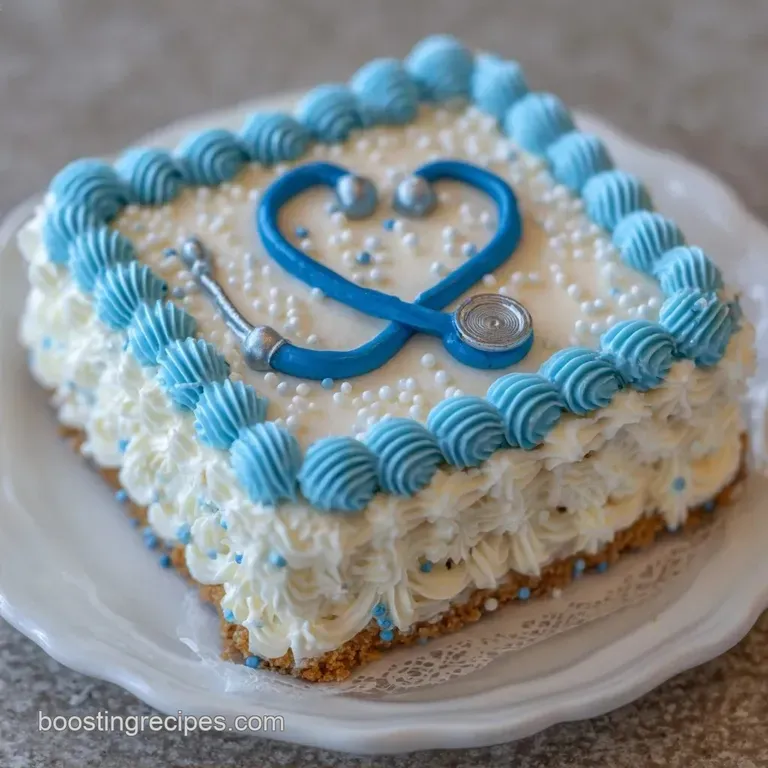
- Time: 20 min active + 2 hours 25 mins cooling and decorating
- Flavor/Texture Hook: Silky vanilla buttercream over a velvety, moist sponge
- Perfect for: Nursing school graduation parties and open houses
- Nursing Graduation Sheet Cake Recipe
- Why this cake stays moist
- Ingredient deep dive
- What you'll need
- Basic tools for the job
- Step-by-step baking guide
- Solving common baking issues
- Troubleshooting Common Issues
- Mix ins and swaps
- Truth about cake myths
- Storage and leftovers
- Pairing ideas
- Recipe FAQs
- 📝 Recipe Card
The smell of browning butter and vanilla always takes me back to my cousin's graduation party a few years ago. I remember the frantic energy of the house, the piles of nursing textbooks still on the coffee table, and the absolute panic when the store-bought cake arrived looking like a leaning tower of frosting.
I spent the next hour in the kitchen, trying to "fix" it with a piping bag and a prayer. It was a disaster, but it taught me that for a big milestone, you need a cake that is structurally sound and actually tastes like home.
That's why I shifted my focus to this specific sponge. I wanted something that could survive a few hours on a buffet table without turning into a dry sponge, but still feel light enough that you'd want a second slice. The secret is the buttermilk, which provides a slight tang and keeps the interior incredibly moist.
When you're celebrating someone who has survived nursing school, the last thing you want is a cake that's hard to swallow.
This Nursing Graduation Sheet Cake Recipe is all about reliability. I've stripped away the fancy techniques and focused on a method that works with basic bowls and a hand mixer. You'll get a flat, stable surface that's easy to decorate with nurse themed accents, and a flavor that everyone from the graduates to the grandparents will love.
It's a celebration in a 9x13 pan, and it's much more forgiving than a tiered cake.
Nursing Graduation Sheet Cake Recipe
When you're putting together a party for a new RN, you're usually dealing with a lot of stress. You want the food to be easy, but you want it to look like you put in a ton of effort. This cake hits that sweet spot.
It's a classic vanilla butter base that feels nostalgic but looks professional once you add the teal frosting and the fondant cap.
The beauty of a sheet cake is the surface area. You have a literal canvas to work with. Instead of worrying about layers sliding or cakes tilting, you have a steady base. I've found that using a 9x13 pan is the gold standard because it fits perfectly in any standard oven and is easy to transport if you're taking the dessert to a community center or a clinic party.
One thing I've learned the hard way is that the temperature of your ingredients actually matters. If your eggs are cold, they won't emulsify with the butter, and you'll end up with a broken batter. According to King Arthur Baking, room temperature ingredients ensure a smoother batter and a more consistent rise. Trust me on this, don't just pull the butter out five minutes before you start. Give it an hour, or use the microwave for a very short burst if you're in a pinch.
Why this cake stays moist
The secret to a great sheet cake is avoiding that dreaded "dry edge" syndrome. Since sheet cakes have more surface area exposed to the heat, they can dry out faster than round cakes. Here is why this specific method prevents that.
- Buttermilk Acid: The lactic acid in buttermilk breaks down long gluten strands, creating a more tender, velvety crumb.
- Cubed Butter Method: By beating cold, cubed butter into the dry ingredients, we create small pockets of fat that prevent the flour from over bonding.
- Parchment Barrier: Lining the pan with parchment isn't just for easy removal, it stops the edges from scorching before the center is done.
- Crumb Coat Seal: The initial thin layer of frosting acts as a sealant, keeping moisture inside the cake while you apply the final decorative layer.
| Serving Size | Pan Size | Guest Count | Portion Size |
|---|---|---|---|
| Half Batch | 9x9 inch | 12-15 people | 2x2 inch square |
| Standard Batch | 9x13 inch | 24 people | 2x2 inch square |
| Double Batch | 12x18 inch | 48-60 people | 2x2 inch square |
Ingredient deep dive
I don't believe in using "generic" ingredients when a specific one makes a difference. For this cake, the buttermilk is the hero. If you use regular milk, you lose that specific tenderness and the subtle flavor depth.
| Ingredient | Science Role | Pro Secret |
|---|---|---|
| Buttermilk | Tenderizer & Leavener | Use full fat for a richer, more velvety mouthfeel |
| Baking Powder | Aeration | Sift with flour to avoid "bitter spots" in the cake |
| Unsalted Butter | Structure & Flavor | Cube it small so it distributes evenly without overheating |
| Powdered Sugar | Frosting Stability | Sift always; lumps in buttercream are a nightmare to pipe |
What you'll need
For the batter, stick to the measurements exactly. Baking is more like chemistry than cooking, and too much flour will make this feel like a biscuit rather than a celebration cake.
- 3 cups (375g) all purpose flour Why this? Provides the necessary structure for a stable sheet cake
- 2 cups (400g) granulated sugar Why this? Standard sweetness and helps with moisture retention
- 1 tbsp (12g) baking powder Why this? Gives the cake a consistent, fluffy lift
- 1/2 tsp (3g) salt Why this? Balances the sugar and enhances the vanilla
- 1 cup (225g) unsalted butter, softened and cubed Why this? Adds a rich, buttery flavor
- 3 large (150g) eggs, room temperature Why this? Binds ingredients and adds structure
- 1 cup (240ml) buttermilk, room temperature Why this? Essential for the tender crumb and moisture
- 2 tsp (10ml) pure vanilla extract Why this? The primary flavor profile
For the buttercream and decorations: - 2 cups (450g) unsalted butter, softened - 6 cups (720g) powdered sugar, sifted - 3 tbsp (45ml) heavy cream - 1 tsp (5ml) vanilla extract - 1g salt - Gel food coloring (Teal or Blue) - 4 oz (115g) white fondant - 1 tube (30g) black decorating gel
If you don't have buttermilk, you can make a quick swap. Mix 1 cup of milk with 1 tablespoon of lemon juice or white vinegar and let it sit for 5 minutes. It's not quite as rich, but it provides the acidity needed to react with the baking powder. For a fruitier twist, you could look at my homemade strawberry cake recipe, which uses a similar base but adds a fresh berry punch.
Basic tools for the job
You don't need a professional kitchen to pull this off. I've made this with a basic hand mixer and a few bowls. The key is having the right pan and a way to smooth the frosting.
- 9x13 inch baking pan (metal is best for even browning)
- Parchment paper
- Hand mixer or stand mixer (like a KitchenAid)
- Large mixing bowl
- Rubber spatula
- Offset spatula (or a butter knife if you're winging it)
- Piping bag and a round tip (for the "scrubs" look)
- Rolling pin (for the fondant)
Chef's Note: If you don't have an offset spatula, the back of a large spoon works in a pinch. Just make sure you're working on a flat surface so the cake doesn't end up with "hills and valleys."
Step-by-step baking guide
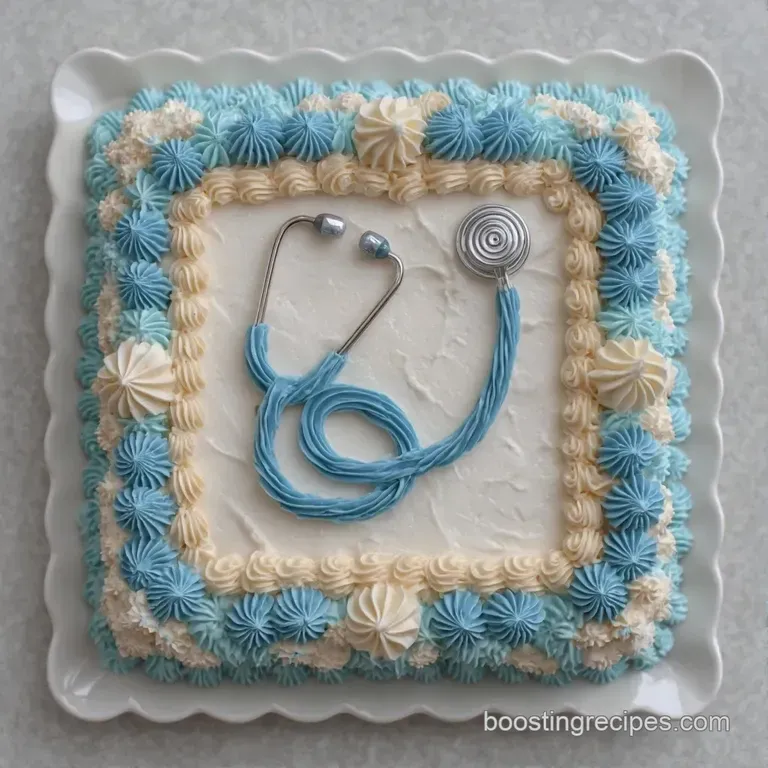
Let's get into the actual work. This Nursing Graduation Sheet Cake Recipe is broken down into phases to make sure you don't feel overwhelmed.
Phase 1: The Batter Build
- Preheat your oven to 350°F (175°C). Grease your 9x13 inch pan and line it with parchment paper, leaving a little overhang on the sides for easy lifting.
- In a large bowl, whisk together the flour, granulated sugar, baking powder, and salt.
- Add the cubed butter. Beat on low speed until the mixture looks like coarse sand. You don't want it smooth yet, just combined.
- Gradually beat in the eggs one by one.
- Stir in the buttermilk and vanilla extract. Mix on medium speed until the batter is smooth and glossy. Don't overmix here, or the cake will be tough.
Phase 2: The Precision Bake
- Pour the batter into the pan and use a spatula to smooth the top.
- Bake for 25–30 minutes. Use a toothpick in the center until it comes out with a few moist crumbs. If it comes out wet, give it 2 more minutes.
- Remove from the oven and let it cool completely in the pan. This is the hardest part, but frosting a warm cake is a recipe for a melted mess.
Phase 3: The Nurse Themed Finishing
- Beat the softened butter until creamy, then add powdered sugar, heavy cream, vanilla, and salt. Mix until velvety.
- Spread a thin "crumb coat" of frosting over the cake. Chill in the fridge for 30 minutes. Note: This locks in the crumbs so the final layer is flawless.
- Apply the final thick layer of frosting. Take a small bowl of frosting and tint it teal or blue. Pipe a V neck shape in the center to mimic a nurse's scrub top.
- Roll out the white fondant. Cut out a small nurse's cap and a few pill shapes. Place them on the cake.
- Use the black decorating gel to pipe a stethoscope outline around the V neck and write 'Congrats RN!' in the middle.
| Method | Time | Texture | Best For |
|---|---|---|---|
| Creaming Butter | 15 min | Fluffy/Airy | Traditional cakes |
| Reverse Creaming | 10 min | Velvety/Dense | Sheet cakes/Stability |
| Melted Butter | 5 min | Fudgy/Moist | Quick snacks |
Solving common baking issues
Even the best of us hit a snag. When it comes to a Nursing Graduation Sheet Cake Recipe, the most common issues usually happen during the frosting or the final bake.
Troubleshooting Common Issues
| Issue | Solution |
|---|---|
| Why your cake sank in the middle | This usually happens if the oven door was opened too early or if the baking powder was expired. If the structure doesn't set before the air bubbles collapse, you get a dip. |
| Why the buttercream is too soft | If your kitchen is warm, the butter in the frosting can lose its grip. This makes piping the "scrubs" almost impossible. Put the frosting bowl in the fridge for 10 minutes, then whip it again. |
| Why the cake feels dry | Overbaking is the main culprit. Even two extra minutes can dry out a sheet cake. Always start checking at the 25 minute mark. |
Common Mistakes Checklist:
- ✓ Did you use room temperature eggs? (Prevents batter separation)
- ✓ Did you sift the powdered sugar? (Ensures velvety frosting)
- ✓ Is the cake completely cool? (Prevents melting frosting)
- ✓ Did you line the pan with parchment? (Ensures clean edges)
- ✓ Did you use gel colors instead of liquid? (Prevents frosting from thinning)
Mix ins and swaps
While the vanilla version is a crowd pleaser, you can easily tweak this to fit the graduate's favorite flavors.
For a Richer Chocolate Version
Replace 1/2 cup of the all purpose flour with high-quality cocoa powder. Increase the sugar by 2 tablespoons to compensate for the bitterness of the cocoa. This makes for a decadent treat that pairs great with coffee.
For a Zestier Citrus Twist
Add the zest of two lemons to the sugar before mixing. Replace the vanilla extract in the batter with lemon extract. This creates a bright, refreshing cake that's great for spring graduations.
For a gluten-free Swap
You can use a 1:1 gluten-free flour blend. However, be aware that GF flours absorb more liquid. You might need an extra tablespoon of buttermilk to keep the batter from becoming too thick. For a savory contrast at the party, you might serve these slices alongside some easy wraps for the guests who aren't in a sugar mood.
Scaling the recipe
If you're feeding a whole nursing cohort, you'll need to scale up.
- Scaling Down (1/2 batch): Use a 9x9 inch square pan. Reduce the baking time by about 20% and start checking at 20 minutes. Since you can't easily halve an egg, beat one egg in a cup and use half of the liquid.
- Scaling Up (2x batch): Use a 12x18 inch half sheet pan. Lower the oven temperature to 325°F (160°C) and extend the baking time. This prevents the edges from burning while the massive center cooks through. Remember to only increase salt and spices to 1.5x to avoid an overpowering taste.
Truth about cake myths
There are a lot of "rules" in baking that aren't actually rules. Let's clear a few things up.
Myth: You must cream butter and sugar for 5 minutes. Truth: While creaming adds air, the "reverse creaming" method used in this recipe (mixing butter into flour) actually creates a more stable, velvety crumb that's better for sheet cakes. It's faster and more reliable.
Myth: Adding an extra egg makes the cake "richer." Truth: Too many eggs can make a cake rubbery or overly dense. Stick to the 3 egg count to maintain that specific fluffy yet-sturdy balance.
Myth: You can't freeze a frosted cake. Truth: You absolutely can. In fact, frosting a frozen cake is actually easier because the surface is firm. Just thaw it in the fridge overnight before serving.
Storage and leftovers
A cake this size often leaves leftovers. Here is how to keep them fresh.
Fridge Storage: Keep the cake in an airtight container or under a cake dome. It will stay fresh for up to 4 days. Because of the buttermilk, it actually holds its moisture better in the fridge than most cakes.
Freezer Storage: You can freeze individual slices. Wrap each slice tightly in plastic wrap and then foil. They'll last for 3 months. Thaw in the fridge or let them sit at room temperature for an hour before eating.
Zero Waste Tips: If you have a bit of cake that got smashed during slicing, don't toss it! Crumble the leftovers into a bowl, mix with a spoonful of the leftover buttercream, and roll them into cake pops. You can dip them in melted chocolate and give them away as "mini treats" for the nursing staff.
Also, if you have leftover teal frosting, it works great as a swirl on top of vanilla cupcakes.
Pairing ideas
Since this cake is sweet and buttery, you want something to cut through that richness.
- Drinks: A strong dark roast coffee or a cold glass of milk is the classic choice. For something fancier, a sparkling raspberry lemonade complements the vanilla notes.
- Fruit: Serve with a side of fresh berries. The acidity of raspberries or blueberries balances the sugary buttercream.
- Savory Balance: If you're hosting a full spread, pair the sweetness of the cake with salty appetizers like nuts or a cheese platter to keep the palate refreshed.
Recipe FAQs
How to make a graduation cake from scratch?
Preheat oven to 350°F and grease a 9x13 inch pan. Combine dry ingredients, beat in cubed butter, stir in eggs and buttermilk, then bake for 25-30 minutes.
What is the best dessert for a graduation party?
A themed sheet cake. It serves a large crowd efficiently and allows for nursing themed decorations. For a faster version, try our quick nurse cake.
What do you give someone graduating from nursing school?
A custom decorated cake. Combining a homemade dessert with professional symbols like a stethoscope makes for a thoughtful and personal celebration.
Why did my cake sink in the middle?
The oven door was opened too early. This lets heat escape, causing air bubbles to collapse before the structure sets; expired baking powder can also cause this.
How to fix buttercream that is too soft for piping?
Place the frosting bowl in the fridge for 10 minutes. Whip it again once chilled to regain the stability needed to pipe the scrub design.
How long can I store the cake in the fridge?
Up to 4 days. Keep the cake in an airtight container or under a cake dome to prevent it from drying out.
Is it true that using buttermilk makes the cake taste sour?
No, this is a common misconception. Buttermilk adds a subtle tang and helps the cake hold moisture better than standard milk.
Nursing Graduation Sheet Cake